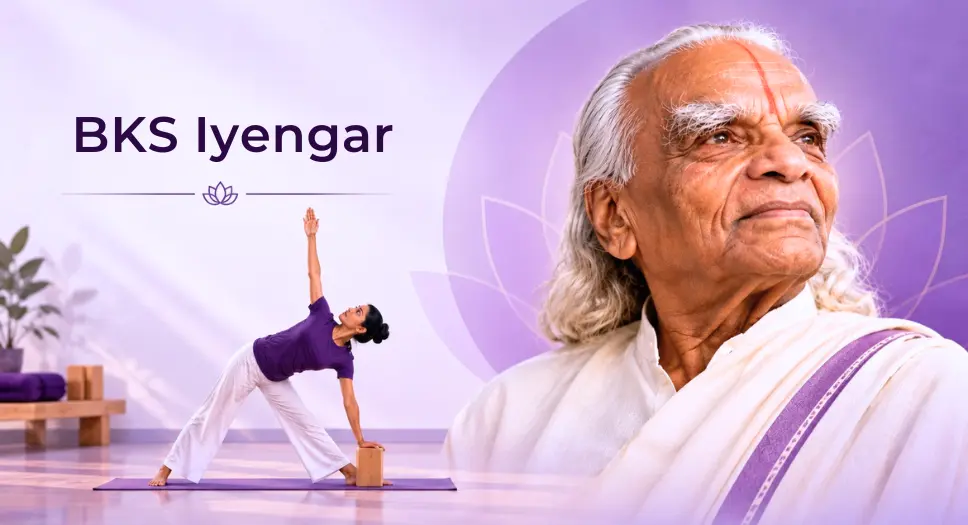
Few people have shaped modern yoga as deeply as one frail boy from a small village in Karnataka. He grew up sick, weak and underweight, yet he went on to teach millions of people across the world how to stand, breathe and live with awareness. His name was BKS Iyengar, and his life remains one of the most inspiring stories in the history of yoga.
If you have ever used a yoga block, a strap or a folded blanket in class, you have already benefited from his ideas. If you have ever been told to align your knee over your ankle or to lengthen your spine in a pose, you have heard his teaching echoed by someone else. This article explores who BKS Iyengar was, how he developed his method, what makes Iyengar Yoga unique, and why the legacy of Iyengar still matters today.
Early Life and a Childhood of Illness
Bellur Krishnamachar Sundararaja Iyengar was born on 14 December 1918 in Bellur, a small town in the Kolar district of Karnataka, India. He was the eleventh of thirteen children in a modest Brahmin family. His birth took place during the global influenza pandemic, and he arrived into the world already weak.
His childhood was marked by repeated and serious illness. He suffered from influenza, malaria, typhoid and tuberculosis. Doctors and relatives doubted that he would survive. When he was only nine years old, his father passed away, which left the family in financial difficulty.
This early suffering is important to understand. It was not a footnote to his story. It was the foundation. Because the body of BKS Iyengar was so fragile, he later became extremely sensitive to the limitations of other people. He knew what it felt like to be stiff, tired and discouraged. That understanding became the heart of his teaching style.
Key facts about his early years
- Born on 14 December 1918 in Bellur, Karnataka
- One of thirteen children
- Survived influenza, malaria, typhoid and tuberculosis
- Lost his father at the age of nine
- Grew up with a weak body and poor posture
Meeting His Guru in Mysore
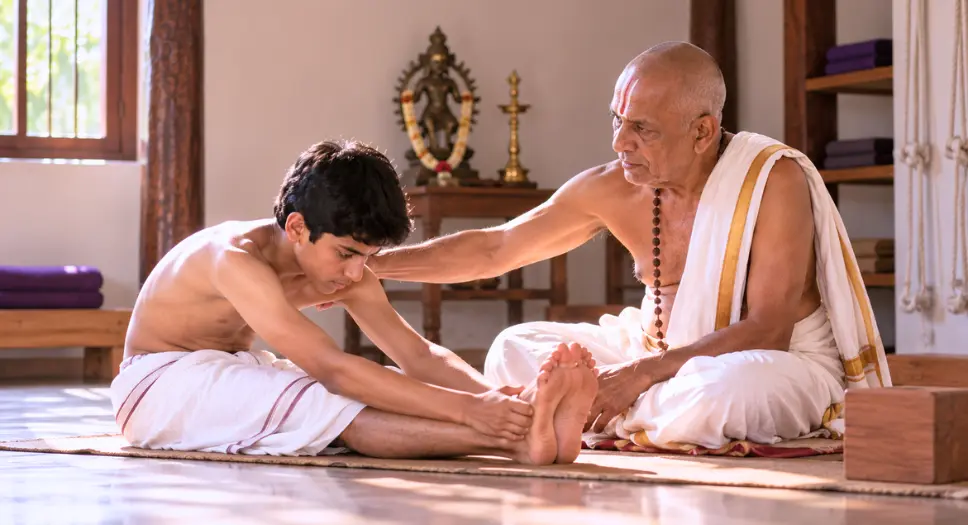
In 1934, when he was about fifteen, he travelled to Mysore to stay with his brother-in-law, the renowned scholar and teacher Tirumalai Krishnamacharya. Krishnamacharya is often called the father of modern yoga, and many of the world’s best known teachers trace their lineage back to him.
At first the young man was given only a few simple practices. His body was tight and his health was poor, so progress was slow. His relationship with his teacher was demanding and sometimes difficult. Krishnamacharya was strict, and his student later admitted that the early years were full of struggle.
Yet something changed. Through patient daily practice, his health began to improve. He gained strength, flexibility and confidence. He started to notice how small adjustments in the body could change the quality of a pose. That curiosity became the seed of a lifelong investigation.
His teacher eventually asked him to demonstrate postures and to teach students. In 1937, at the age of eighteen, he was sent to Pune to teach yoga. This move would define the rest of his life.
Moving to Pune and Building a Career
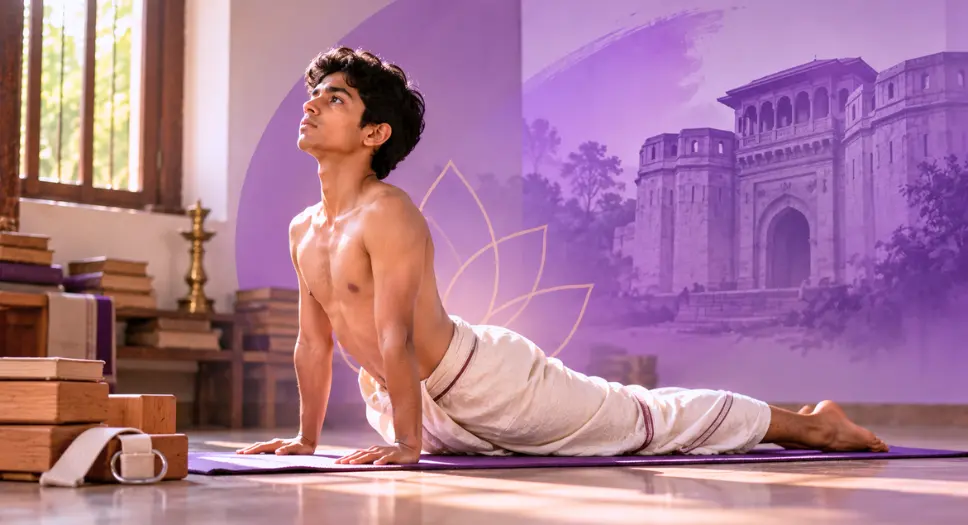
Pune was a new city with a new language, and the young Iyengar arrived with very little money. He spoke limited English and had few students. For years he lived simply and practised for many hours every day. He learned through trial and error, studying how each pose affected the muscles, joints, organs and mind.
In 1943 he married Ramamani, who became his partner in life and in teaching. She supported his work and became a respected teacher herself. Their partnership gave him the stability to continue refining his method. The institute he later founded in Pune carries her name in her memory.
During these decades BKS Iyengar developed an approach that was very different from what most people expected of yoga at the time. He placed great emphasis on precision, alignment and sequencing. He believed that a pose should be held with intelligence, not just endurance. Every part of the body had a job to do, and the practitioner needed to learn to feel that.
What marked his early teaching years
- Long hours of personal practice and self study
- Close observation of anatomy and movement
- A growing focus on correct alignment
- Experimentation with ways to help beginners and older students
- The slow building of a loyal group of students
The Turning Point: Yehudi Menuhin and the West
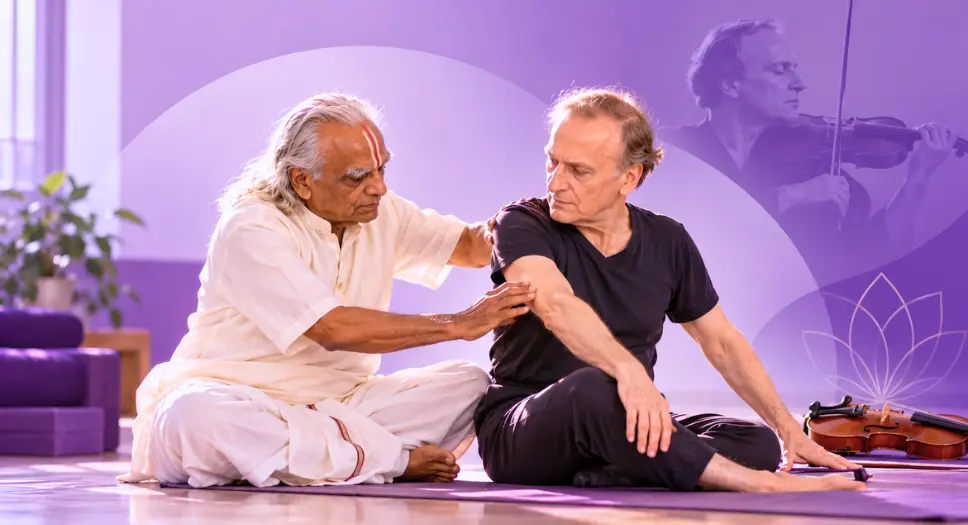
The story of how yoga travelled to the West has many chapters, and one of the most important involves the famous violinist Yehudi Menuhin. The two met in 1952, when Menuhin was introduced to the young teacher. He took lessons and was deeply impressed by the improvements in his posture, his breathing and his ability to play.
Menuhin became a devoted supporter. In 1954 he invited his teacher to Europe, and the Pune teacher began visiting Switzerland, England, France and other countries. Menuhin’s fame opened doors, and the clear, practical style of Iyengar won people over quickly.
Western students were often stiff from desk jobs and modern lifestyles. They responded well to a method that explained the body in detail and gave them tools to progress safely. Interest grew year after year, and classes and teacher training programmes began to appear in many countries.
This was a major moment in the global spread of yoga and of Iyengar Yoga in particular. It showed that an ancient discipline could speak to modern people without losing its depth.
Light on Yoga and the Written Legacy
In 1966 BKS Iyengar published Light on Yoga, a book that would become one of the most influential yoga texts of the twentieth century. It presented hundreds of postures with detailed instructions, photographs and descriptions of their effects. It also introduced the philosophy of yoga in a clear and accessible way.
For many people around the world, this book by Iyengar was their first real introduction to the subject. It has been translated into many languages and is often described as a bible for practitioners. Teachers still keep it on their shelves, and students still turn to it when they want to understand a pose more deeply.
He went on to write many more books, including:
- Light on Pranayama, on the art and science of breath control
- Light on the Yoga Sutras of Patanjali, a commentary on the classic text
- The Tree of Yoga, a collection of reflections on practice and life
- Light on Life, a mature reflection on the journey of the body, mind and spirit
- Yoga: The Path to Holistic Health, a practical guide for everyday practitioners
Together these works form a body of knowledge that is both practical and philosophical. They explain not only how to do something but also why it matters.
What Is Iyengar Yoga?
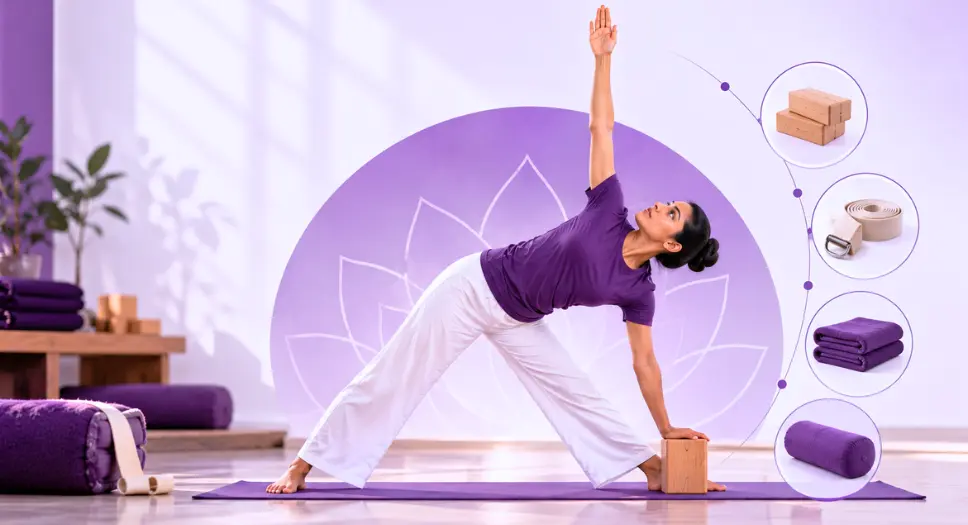
Iyengar Yoga is a form of Hatha yoga known for its attention to detail, its use of props and its emphasis on correct alignment. It is based on the eight limbs of yoga described by the sage Patanjali, though the physical postures and breathing practices are the main focus in most classes.
What makes it stand out is the idea that the body can be a doorway to the mind. By paying careful attention to the position of the feet, the spread of the fingers, the lift of the chest and the length of the spine, students learn to become present. The attention required is so complete that the busy mind begins to settle.
Classes are usually structured and progressive. Beginners spend a lot of time learning standing poses, because these build strength, stability and awareness. Over months and years, students move on to forward bends, twists, backbends, inversions and breathing practices.
The eight limbs in brief
- Yama: ethical restraints towards others
- Niyama: personal observances
- Asana: posture
- Pranayama: breath control
- Pratyahara: withdrawal of the senses
- Dharana: concentration
- Dhyana: meditation
- Samadhi: absorption or union
The Core Principles of the Method
The approach of Iyengar Yoga rests on a few key principles. They are simple to state, yet they take a lifetime to explore.
1. Alignment
Alignment means arranging the body so that bones, muscles and joints work together in a balanced way. Good alignment protects the body from strain and allows energy to move freely. It also teaches the student to notice imbalance and to correct it.
2. Precision
Small details matter. A turn of the foot of just a few degrees can change the way a pose feels in the entire leg. Students are encouraged to refine and adjust until the pose becomes both stable and comfortable.
3. Timing and duration
Poses are held for longer periods than in many other styles. This allows time to explore the pose, to breathe and to observe. Holding a pose with awareness builds both physical stamina and mental steadiness.
4. Sequencing
The order of poses is planned carefully. A sequence may be designed to calm the nervous system, to build strength, to relieve tension or to prepare the body for a more demanding pose. Good sequencing makes practice safe and effective.
5. Use of props
Props are used to make poses accessible, to support the body and to teach alignment. In Iyengar Yoga this is perhaps the most recognisable feature of the method, and it deserves its own section below.
6. Adaptation for every body
The approach is meant to be adapted to each person. Someone with a stiff back, a weak knee or high blood pressure can still practise, because the pose can be modified to suit their needs.
The Role of Props
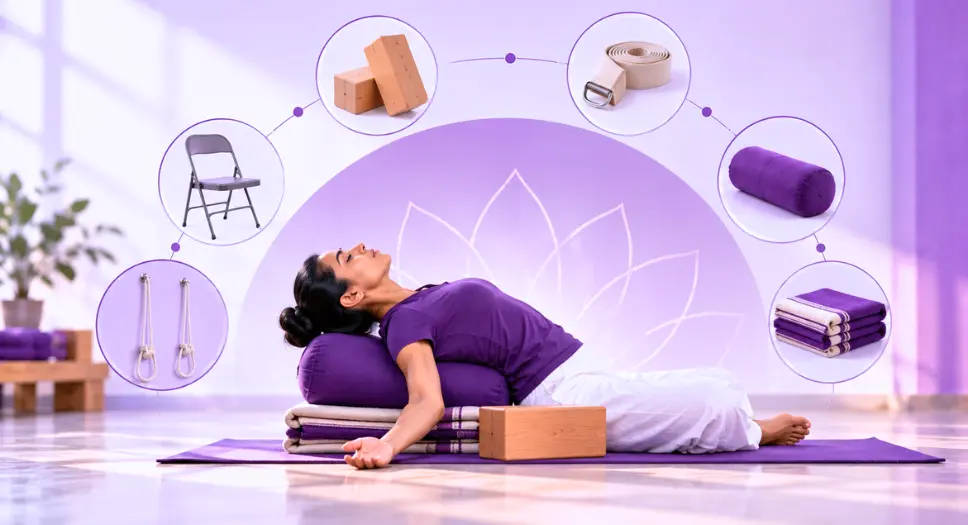
Before BKS Iyengar began teaching widely, props were rarely seen in yoga. He introduced and refined their use after years of experimenting with ways to help students who could not yet reach the full expression of a pose. His idea was simple but revolutionary: the pose should come to the student, not the other way around.
Common props include:
- Blocks: bring the floor closer when the hands cannot reach it
- Straps or belts: extend the reach of the arms and help with stretches
- Bolsters: support the spine and chest in restorative poses
- Blankets: add height, cushioning and warmth
- Chairs: allow seated and supported versions of many poses
- Ropes and wall ropes: help create traction and release in the spine and shoulders
Props are not a sign of weakness. They are tools of intelligence. A student who uses a belt to keep the arms straight in a forward bend is learning more about the pose than someone who forces a rounded back to reach the toes. Props let people practise safely, stay longer in poses and feel the correct action sooner.
This idea has now spread far beyond one tradition. Studios everywhere stock blocks and bolsters, and many teachers of other styles use props regularly. This is one of the most visible parts of his legacy.
Benefits of Practice
People come to Iyengar Yoga for many reasons. Some want to ease back pain, some want to manage stress, and others simply want to feel stronger and more flexible. Regular practice can support a wide range of goals.
Physical benefits
- Improved posture and spinal health
- Greater flexibility and joint mobility
- Increased strength in the legs, core and shoulders
- Better balance and coordination
- Relief from muscular tension
Mental and emotional benefits
- Reduced stress and anxiety
- Sharper focus and concentration
- Improved sleep quality
- A calmer response to everyday challenges
- A greater sense of self awareness
Lifestyle benefits
- A more mindful relationship with the body
- Healthier breathing patterns
- Increased patience and discipline
- A stronger sense of routine and wellbeing
It is worth remembering that yoga is not a replacement for medical care. Anyone with an injury or a health condition should speak with a doctor and with a qualified teacher before starting.
Who Can Practise It?
One of the greatest strengths of Iyengar Yoga is its inclusiveness. Because of the use of props and the careful adaptation of poses, almost anyone can find a way in.
- Beginners gain a safe foundation and learn the basics of alignment
- Older adults can practise with chairs and supports to maintain mobility
- Office workers can counter the effects of long hours of sitting
- Athletes can improve flexibility, balance and recovery
- People with injuries or limitations can work with modified versions under proper guidance
- Experienced practitioners can deepen their understanding of subtle detail
This was no accident. Having overcome severe illness himself, BKS Iyengar wanted yoga to be available to people in every condition. He lived that belief through his work with students of all ages and abilities.
Awards and Recognition
Over his long life BKS Iyengar received many honours. These included some of the highest civilian awards in India:
- Padma Shri in 1991
- Padma Bhushan in 2002
- Padma Vibhushan in 2014
In 2004, TIME magazine included Iyengar in its list of the one hundred most influential people in the world. He also received invitations to teach and lecture across the globe, and he continued to practise and teach into his nineties.
He passed away on 20 August 2014 in Pune at the age of ninety five. Tributes poured in from students, teachers and public figures around the world. Many remembered not just his skill but his humility, his discipline and his love for the subject.
The Living Legacy
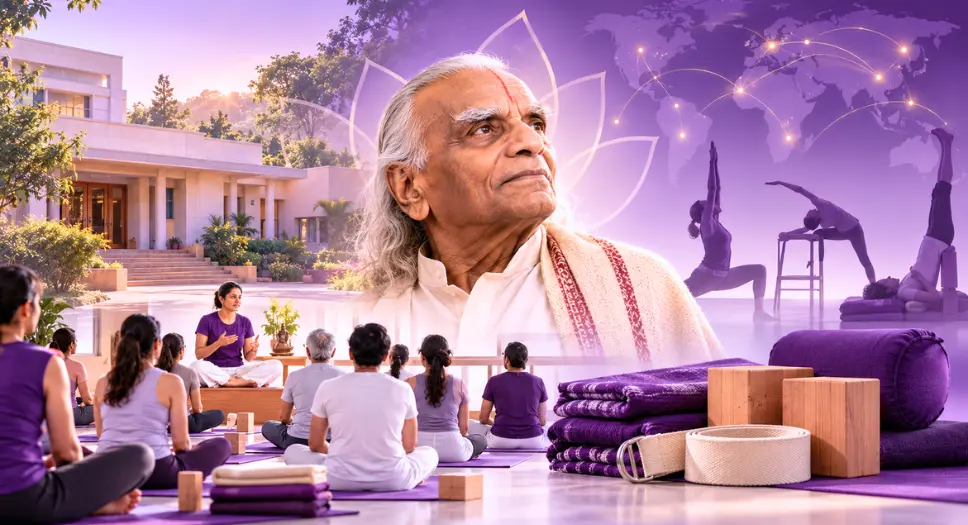
The influence of Iyengar did not end with his passing. It lives on through a worldwide community of teachers and students, and through the institutions he helped to build.
The institute in Pune
In 1975 he founded the Ramamani Iyengar Memorial Yoga Institute in Pune, named after his late wife. It became a centre of learning and a place of pilgrimage for serious students from many countries. The institute continues to train teachers and to offer classes in Iyengar Yoga.
A global network of teachers
Certified Iyengar Yoga teachers now work in dozens of countries. Teacher training in this tradition is known for being rigorous, often requiring years of study and assessment. This high standard has helped to preserve the quality of the teaching.
Influence on modern yoga
Many ideas now taken for granted in yoga classes came into wide use through Iyengar:
- The emphasis on alignment and anatomical awareness
- The use of props in regular classes
- The therapeutic application of yoga for health conditions
- Detailed instruction and demonstration in teaching
- Seeing yoga as a lifelong path, not a quick fitness routine
Therapeutic yoga
Iyengar Yoga has inspired a great deal of therapeutic work. Teachers around the world use adapted sequences to help people with back problems, stress related conditions and recovery after illness. This focus on healing grew naturally from his own experience of illness and recovery.
A lasting philosophy
Perhaps the most meaningful part of the legacy is the philosophy behind the practice. He taught that the body is not an obstacle to spiritual growth but a vehicle for it. By bringing awareness to the physical form, a person can begin to understand the deeper layers of the self. In this view, a simple standing pose can become a form of meditation.
How to Begin Your Own Journey
If the story of BKS Iyengar has inspired you to try the practice, here are some practical steps to get started:
- Find a qualified teacher. Good guidance matters, especially in the beginning
- Start with the basics. Standing poses build a strong foundation
- Use props freely. They are there to help, not to judge
- Be patient. Progress comes through regular, mindful practice
- Practise consistently. Even twenty or thirty minutes a few times a week makes a difference
- Listen to your body. Never force a pose or ignore pain
- Read and learn. Books on the subject can deepen your understanding
Learn with Hatha Yoga Institute
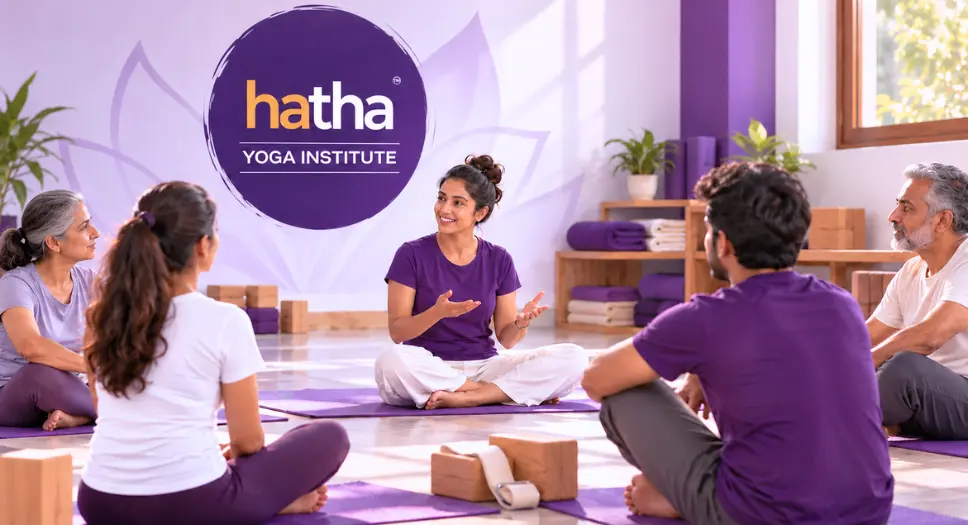
If you are looking for a supportive place to begin or to deepen your practice, the Hatha Yoga Institute is a wonderful option. The institute offers structured yoga learning grounded in the traditional Hatha approach, with an emphasis on proper technique, safe progression and mindful practice. Whether you are a complete beginner curious about your first class or an experienced student looking to refine your skills, you will find guidance that respects your pace and your goals.
Learning from experienced teachers helps you build a practice that is safe, steady and personal. If you are ready to take the next step, consider visiting the Hatha Yoga Institute and exploring the programmes on offer. A good teacher can make all the difference on the path.
Common Questions
1. Is Iyengar Yoga suitable for complete beginners?
Yes. The step by step approach and the use of props make it very friendly for beginners. You do not need to be flexible or fit to start.
2. How often should I practise?
Two to three sessions a week is a good beginning for most people. As your confidence grows, you can add short daily home practice.
3. Do I need to buy props?
Not at first. A folded blanket, a belt and a sturdy book can substitute for many props. Later you may wish to invest in proper blocks and a bolster.
4. Is it a good form of exercise?
It builds strength, flexibility and balance, and it also trains attention and breath. Many people find it a balanced addition to other forms of exercise.
5. Can Iyengar Yoga help with back pain?
Many people find relief through carefully guided practice, but it is important to consult a medical professional and a qualified teacher first.
Final Thoughts
The life of BKS Iyengar is a lesson in perseverance. A sickly child who was not expected to live long became one of the most respected teachers in the world. He did it through relentless practice, deep curiosity and a firm belief that yoga belonged to everyone.
His contribution can be summed up in a few ideas: pay attention, work with precision, respect the body, and use whatever help is needed to make practice accessible. These principles are as relevant today as they were decades ago.
Whether you practise Iyengar Yoga in a busy studio, in a quiet corner of your home or under the guidance of a teacher at a place like the Hatha Yoga Institute, you are part of a lineage that stretches back through Iyengar to the ancient sages. Every time you align your feet, lengthen your spine and breathe with awareness, you carry that legacy forward.
So roll out your mat, grab a block or a belt, and begin. The journey of a thousand poses starts with a single, mindful breath.