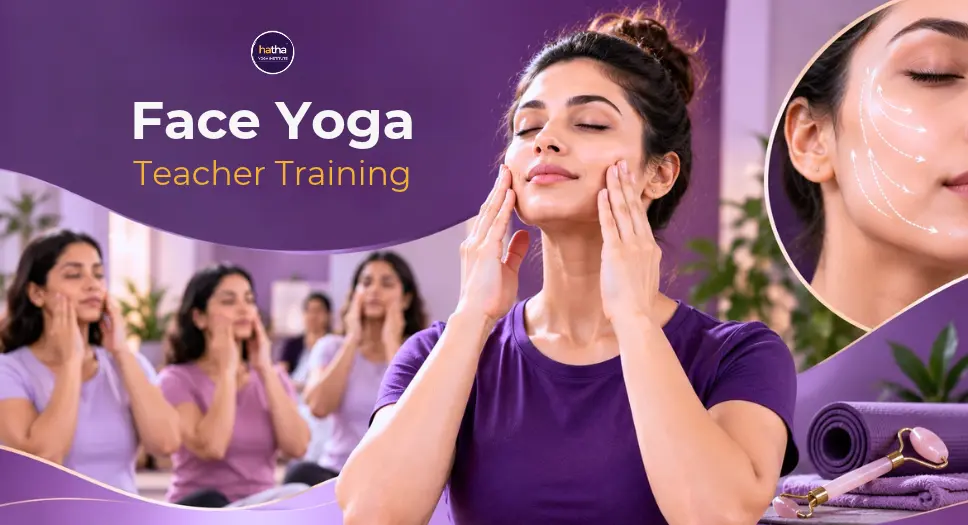
Face yoga has quietly moved from a niche wellness trend into a mainstream self care practice, and with that growth has come a rising demand for trained professionals who can teach it properly. If you have ever wondered how people become certified instructors in this field, or you are personally drawn to natural facial rejuvenation and want to turn that passion into a career, this guide walks you through everything you need to know about a face yoga teacher training course, what it involves, and how to choose the right one.
What Is Face Yoga?
Face yoga is a holistic practice that combines targeted facial exercises, massage techniques, acupressure points, and breathing methods to tone the muscles of the face and neck. Unlike invasive cosmetic treatments, it relies entirely on natural movement and mindful repetition to improve circulation, reduce tension, and support a more lifted, relaxed appearance over time.
The practice draws from traditional yoga philosophy, treating the face as an extension of the body rather than a separate cosmetic concern. Just as regular yoga strengthens and stretches the body’s major muscle groups, face yoga works the smaller muscles around the eyes, cheeks, jaw, and forehead. Practitioners often report benefits such as:
- Reduced appearance of fine lines and wrinkles
- Improved facial muscle tone and definition
- Better circulation and a natural glow
- Relief from jaw tension and headaches
- A calmer, more mindful relationship with self care
Because the results feel achievable without needles or surgery, interest in face yoga classes has grown steadily across wellness studios, yoga centers, and online platforms alike.
Why Consider a Face Yoga Teacher Training Course?
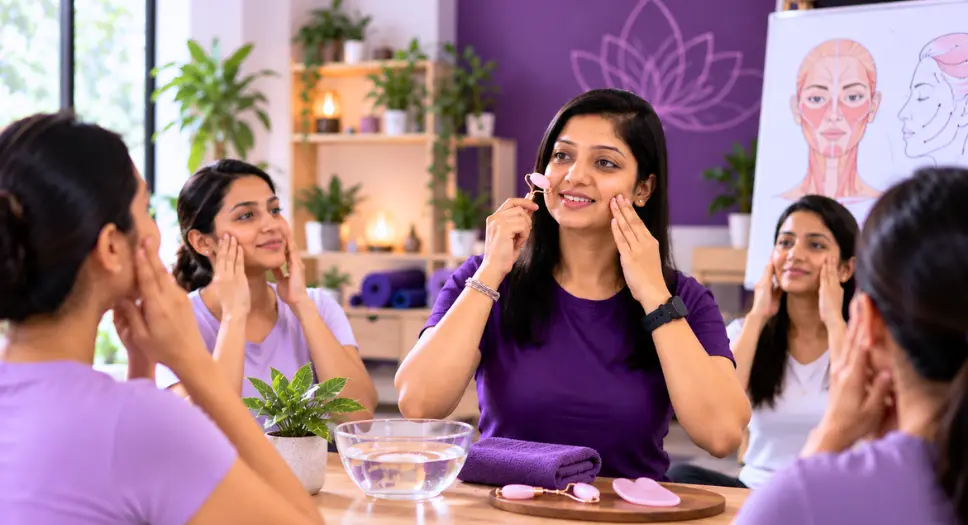
As more people discover the benefits of this practice, the demand for qualified instructors has grown right alongside it. A face yoga teacher training course gives you the structured knowledge, technique library, and teaching confidence needed to guide others safely and effectively.
Here are some of the biggest reasons people pursue certification:
- Career flexibility: Teach in person, online, or through hybrid formats
- Growing market: Wellness and anti aging niches continue expanding globally
- Low overhead: No need for expensive equipment or a large studio space
- Personal transformation: Deepen your own practice while learning to teach
- Complementary skill: Pairs well with existing yoga, massage, or esthetics careers
Whether you are a yoga teacher looking to diversify your offerings or someone entirely new to the wellness industry, this kind of certification opens doors that a casual personal practice simply cannot.
What Does a Face Yoga Course Actually Cover?
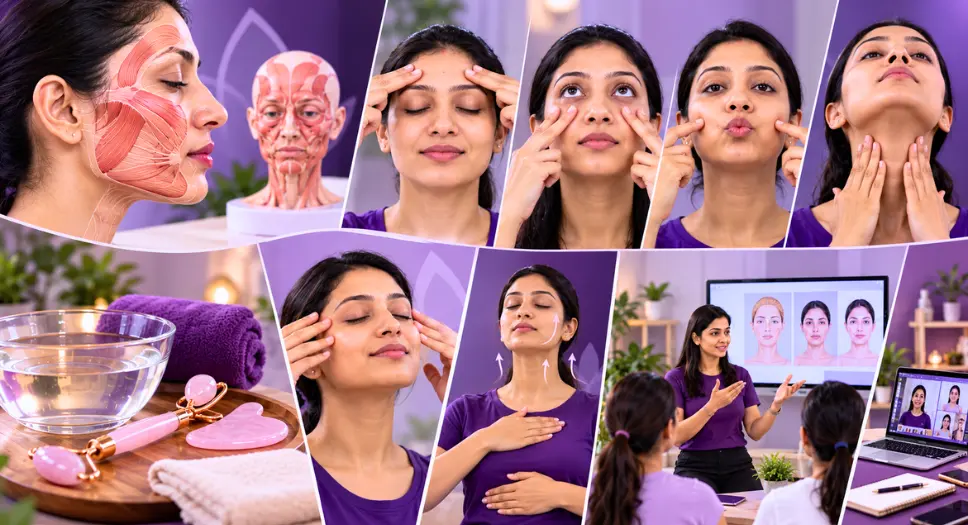
A well structured face yoga course is far more than a collection of exercises. It should blend anatomy, technique, business skills, and teaching methodology so graduates leave feeling genuinely prepared. Most reputable programs are divided into the following core areas.
1. Facial Anatomy and Physiology
Before you can teach anyone else, you need a working understanding of the muscles, fascia, and skin layers involved in every movement. This section typically covers:
- The major facial muscle groups and their functions
- How aging affects muscle tone, fat pads, and skin elasticity
- The lymphatic system and its role in facial puffiness
- Contraindications and safety considerations for different skin types and conditions.
2. Core Facial Exercises and Techniques
This is the heart of any training program. You will learn a structured library of facial exercises designed to target specific areas, such as:
- Forehead smoothing and eyebrow lifting movements
- Eye area toning to reduce puffiness and crow’s feet
- Cheek lifting and definition exercises
- Jawline sculpting and double chin reduction techniques
- Neck and décolletage toning routines
- Lip and mouth area exercises to soften nasolabial lines
Instructors also learn how to sequence these movements into full class routines that flow naturally, much like a traditional yoga sequence moves from warm up to peak pose to cool down.
3. Massage, Acupressure, and Breathwork
Many programs go beyond isolated exercises to include facial massage techniques, gua sha and jade roller integration, acupressure point work, and breathing practices that reduce stress related tension in the face. These additions make classes feel more holistic and enjoyable, rather than purely mechanical.
4. Teaching Methodology
Knowing the exercises yourself is only half the equation. A genuinely useful face yoga teacher training course dedicates significant time to:
- How to cue movements clearly and safely
- Building class sequences for beginners versus advanced students
- Adapting exercises for different age groups and skin concerns
- Creating a calming, welcoming class atmosphere
- Verbal and visual demonstration techniques
5. Business and Marketing Foundations
Since many graduates go on to teach independently, quality programs often include guidance on:
- Setting up private or group face yoga classes
- Pricing sessions and packages
- Marketing on social media and building a client base
- Legal considerations, waivers, and liability basics
- Options for teaching online versus in person
Typical Course Format and Duration `
Course length varies considerably depending on depth and delivery method. Here is a general overview of what to expect:
- Weekend intensives: Compressed programs covering foundational technique in two to three days
- Multi week online courses: Self paced modules typically spread across four to eight weeks
- Comprehensive certification programs: In depth training spanning several months, often including live practice teaching and mentorship
- Hybrid formats: A mix of recorded lessons, live video sessions, and in person workshops
Most programs require between 20 and 100 training hours, depending on the level of certification offered. Beginners should look for entry level courses first, while those wanting to teach professionally may need a more comprehensive path with practical assessment.
How to Choose the Right Face Yoga Course

With so many options now available, choosing the right face yoga course can feel overwhelming. Consider these factors before enrolling:
- Instructor credentials: Look for trainers with recognized certification and real teaching experience
- Curriculum depth: Does the course cover anatomy and teaching skills, or only a list of exercises?
- Certification recognition: Is the certificate respected within the wellness industry?
- Support and mentorship: Will you have access to instructors after the course ends?
- Reviews and testimonials: What do past students say about their experience and outcomes?
- Practical assessment: Does the program include practice teaching or only video watching?
- Price versus value: Compare what is included, materials, community access, ongoing support, rather than price alone
Taking time to research before committing financially will save you from ending up with a certificate that carries little real world value.
The Certification Process
Most training programs follow a similar path toward certification, even if specific details vary between providers.
- Enrollment and orientation: You receive course materials, a syllabus, and access to lessons
- Core learning modules: You work through anatomy, technique, and methodology content at your own pace or through scheduled sessions
- Practice teaching: Many programs require you to lead mock classes or record teaching demonstrations
- Assessment: This may involve a written exam, practical evaluation, or submitted class plan
- Certification issued: Upon successful completion, you receive a certificate qualifying you to teach
Some programs also offer continuing education opportunities, advanced modules, or specialty tracks such as anti aging focus, prenatal facial wellness, or facial yoga for stress relief.
Career Opportunities After Certification
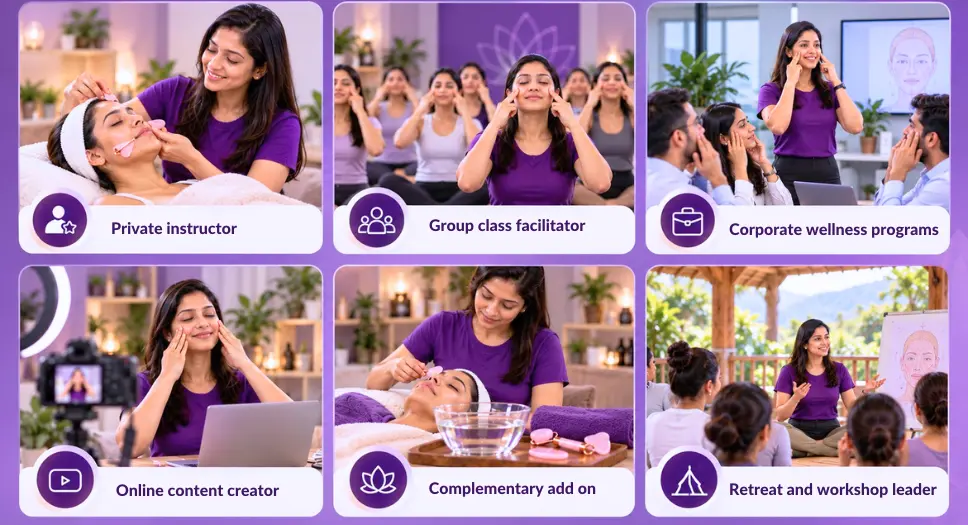
Once certified, graduates pursue a wide range of paths depending on their interests and existing background:
- Private instructor: Offering one on one sessions in person or online
- Group class facilitator: Teaching face yoga classes at studios, gyms, or wellness centers
- Corporate wellness programs: Bringing short sessions into workplace wellness offerings
- Online content creator: Building a following through tutorials, courses, or membership platforms
- Complementary add on: Enhancing an existing yoga, esthetics, or massage therapy practice
- Retreat and workshop leader: Hosting specialized events focused on facial wellness
Many instructors combine several of these paths, building a diversified income stream rather than relying on a single format.
Skills You Will Walk Away With
Beyond the certificate itself, a well rounded training experience leaves you with practical, transferable skills, including:
- Confident public speaking and class facilitation
- Deep understanding of facial anatomy and aging processes
- The ability to design and sequence full length routines
- Marketing and client communication skills
- A genuine, personal practice that continues to benefit your own wellbeing
These skills extend well beyond the specific niche, making the training valuable even for those who later pivot toward broader wellness or yoga teaching careers.
A Note on Where to Train
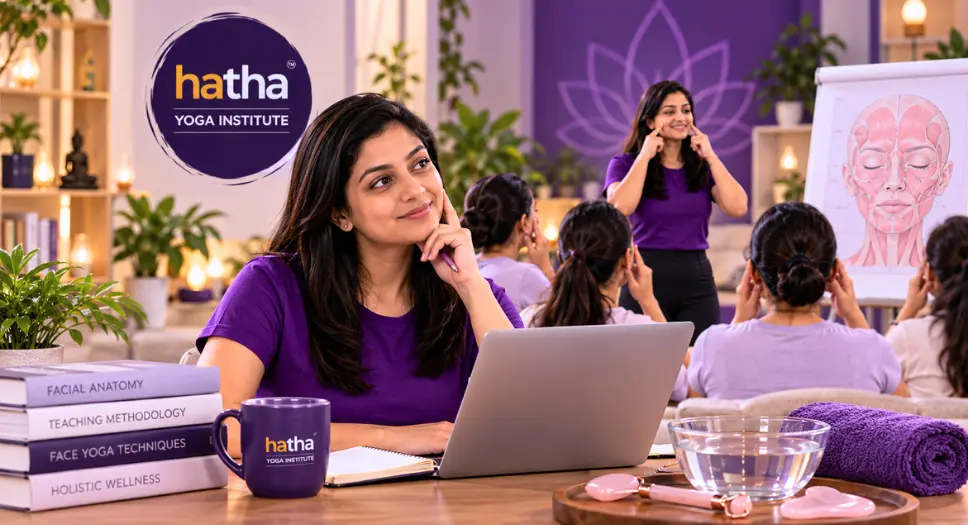
If you are exploring options for structured, well taught training, it is worth looking into programs offered by established yoga institutions rather than short lived online fads. The Hatha Yoga Institute, for example, is known for grounding its wellness programs in traditional yogic principles while incorporating modern teaching methodology, which can be a strong foundation if you are also interested in pairing facial wellness training with a deeper understanding of classical yoga practice. Institutes with this kind of holistic grounding often provide more well rounded instructor preparation than isolated, exercise only courses.
Final Thoughts
A face yoga teacher training course is more than a certificate to hang on the wall. Done well, it equips you with genuine anatomical knowledge, a strong technique library, and the teaching confidence to guide others through a practice that blends physical wellness with mindfulness. As interest in natural, non invasive self care continues to grow, so does the opportunity for qualified instructors to build meaningful, flexible careers.
Whether you are drawn to a short weekend intensive or a comprehensive multi month certification, take the time to research thoroughly, ask questions about curriculum depth, and choose a program that treats teaching skill as seriously as the exercises themselves. With the right training behind you, you will be well prepared to help others discover the benefits of face yoga for years to come.