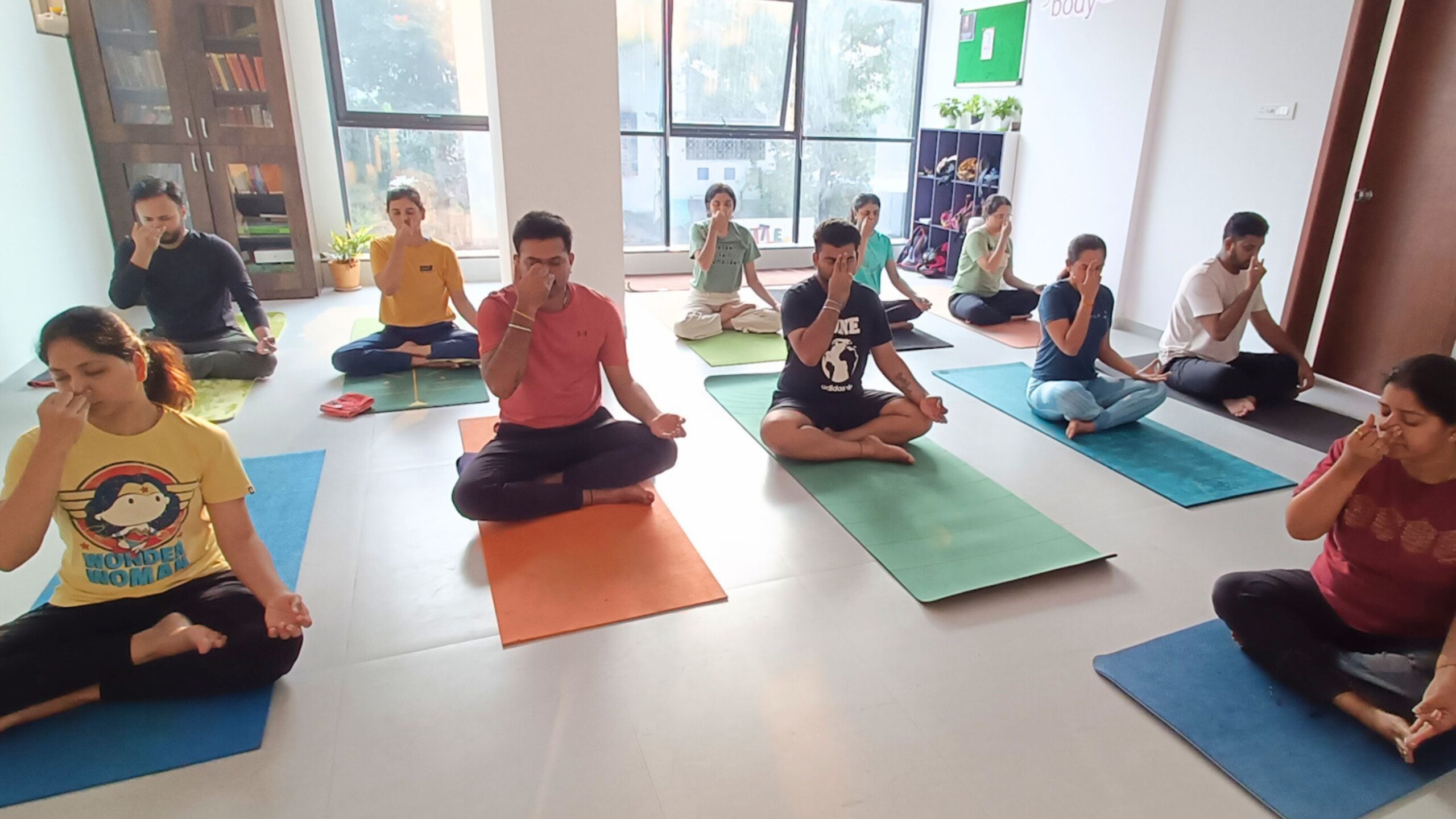
Walk into any city today and you will notice something interesting. Studios are opening on quiet side streets, corporate offices are hosting lunchtime stretching sessions, and fitness apps are filled with guided flows. Behind all of this activity stands a person who guides, corrects, motivates and inspires. That person is a trained professional, and the demand for such professionals has never been higher.
Yoga teaching has moved from being a niche passion to a respected and stable career path. People of all ages, backgrounds and nationalities are choosing it as a full time profession or as a meaningful second income. In this blog, we will explore why this shift is happening, what the profession really looks like, how to enter it, and what the future holds. Whether you are a student of yoga thinking about the next step or a professional from another field looking for a more purposeful career, this guide will help you understand the bigger picture.
The Global Shift Toward Health and Wellness
For decades, the modern lifestyle rewarded speed, long working hours and constant screen time. The side effects are now visible everywhere: back pain, poor sleep, anxiety, burnout and lifestyle diseases. As awareness grows, people are actively searching for solutions that treat the whole person instead of only the symptoms.
Yoga fits this need perfectly. It combines movement, breath control, relaxation and mindfulness in one practice. Because it adapts to every age and fitness level, it has become one of the most widely accepted wellness practices on the planet.
Here are some broad trends pushing the growth of the profession:
- Rising stress levels: More people are looking for natural ways to manage anxiety and mental fatigue.
- Preventive healthcare mindset: Individuals want to stay healthy rather than wait for illness to appear.
- Workplace wellness programs: Companies now understand that healthy employees are more productive and engaged.
- Digital access: Online classes have made guidance available to people in remote areas and different time zones.
- Cultural acceptance: Yoga is now practiced and respected in almost every country, regardless of religion or background.
All of these trends create one common outcome. There is a growing need for qualified guides who can teach safely, clearly and with genuine understanding.
What Does a Yoga Teacher Actually Do?
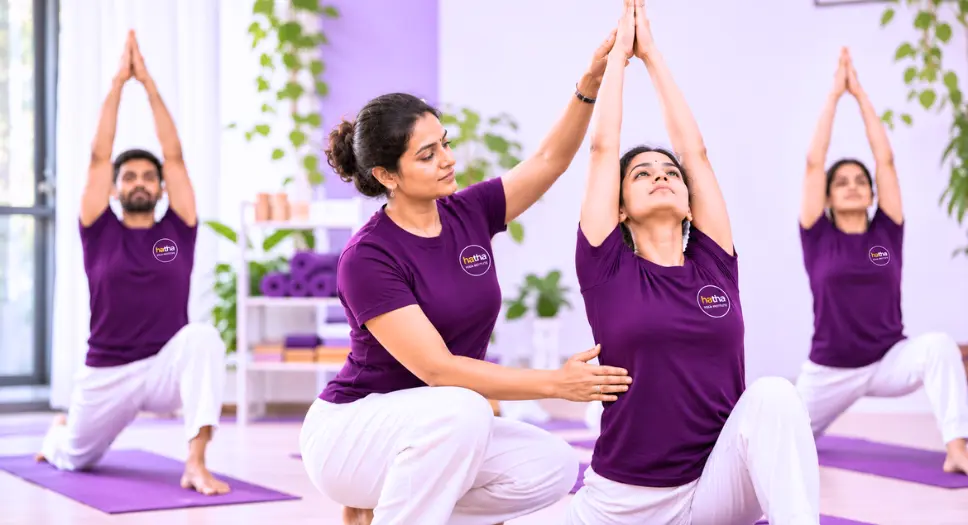
Many beginners imagine that a yoga teacher simply demonstrates poses in front of a class. In reality, the role is far broader and more responsible. A good professional blends knowledge of the body, communication skills, empathy and discipline.
Daily responsibilities often include:
- Designing sequences that suit the level, age and goals of the students
- Explaining postures, breathing methods and relaxation techniques clearly
- Observing students and offering safe alignment corrections
- Offering modifications for injuries, limited flexibility or special conditions
- Creating a calm, welcoming and inclusive environment
- Guiding meditation and breathwork sessions
- Sharing the philosophy and values of yoga in a practical and respectful manner
- Managing class schedules, bookings and student communication
A yoga instructor is also someone who continues to learn. The best professionals keep practicing, studying and refining their approach throughout their careers. This commitment to growth is part of what makes the profession respected.
Key Reasons Why Yoga Teaching Is Growing Worldwide
Let us look at the most important factors in detail.
1. Growing Awareness of Mental Health
Mental wellbeing is no longer a hidden topic. Conversations about stress, anxiety and emotional balance are now open and common. Yoga offers breathing practices and meditation techniques that help calm the nervous system. As more people look for gentle and sustainable support, they turn to trained guides who can lead them step by step.
2. Demand Across Age Groups
Yoga is not limited to young and flexible people. Children practice it to improve focus. Teenagers use it to handle exam pressure. Working adults rely on it for posture and stress relief. Senior citizens practice gentle forms for mobility and balance. Each of these groups needs specialized guidance, which opens many niches for professionals.
3. Flexibility of Career Structure
Few careers offer as much freedom. A yoga teacher can work in a studio, teach private clients, conduct online sessions, run workshops or even build a personal brand. Some professionals combine several of these formats. This flexibility appeals to people who value independence and work life balance.
4. Low Barrier to Entry, High Value of Skill
Compared with many professions that require years of expensive formal education, this field is accessible. With proper dedication and a recognized yoga teacher training course, a motivated person can begin a rewarding career within months. At the same time, the depth of the subject means that mastery continues for a lifetime.
5. Global Mobility
Yoga is understood across borders. A certified professional can teach in different countries, attend international retreats, or conduct classes online for a global audience. For people who love travel and cultural exchange, this is a major attraction.
6. Purpose Driven Work
Many people leave corporate careers because they want their work to have meaning. Helping others feel healthier, calmer and more confident is deeply satisfying. This sense of purpose is one of the strongest reasons people move toward yoga teaching as a profession.
Career Opportunities Within the Field
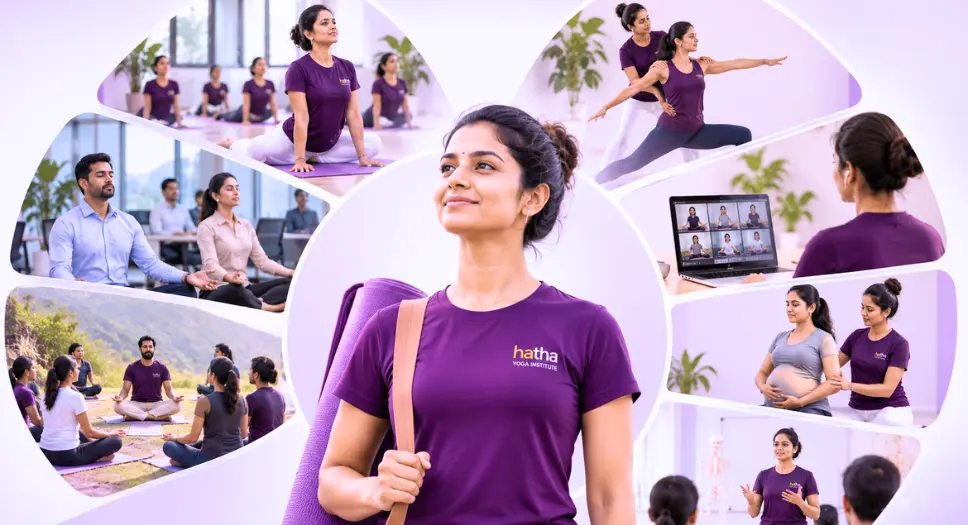
The profession is far more diverse than most people realize. Here are the main paths available:
- Studio instructor: Teaching regular group classes at yoga studios and fitness centers.
- Private tutor: Offering one to one sessions tailored to individual needs, which often leads to higher earnings per session.
- Corporate wellness trainer: Conducting short sessions for employees to reduce stress and improve posture.
- Online educator: Delivering live classes or recorded courses to students across the world.
- Retreat leader: Guiding immersive programs in peaceful locations.
- Specialized trainer: Focusing on areas such as prenatal yoga, children’s yoga, senior yoga, or therapeutic practice.
- Teacher educator: Experienced professionals can eventually train future instructors.
- Studio owner: Building a personal space and community, which brings both freedom and responsibility.
- Wellness consultant: Partnering with spas, hotels, schools and hospitals to design wellness programs.
Many professionals do not choose only one. They may teach group classes in the morning, run an online session in the afternoon and offer private lessons in the evening. This variety keeps work interesting and income diversified.
Income and Earning Potential
Income depends on location, experience, specialization and the way a professional structures their work. In general, the earning potential grows as reputation grows. A beginner may start with a few classes per week, while an established professional may have a full schedule, private clients, workshops and online students.
Common income streams include:
- Group class fees at studios and gyms
- Private session fees
- Corporate contracts
- Online subscriptions and recorded programs
- Workshops and special events
- Retreat hosting
- Teacher training programs
- Product collaborations such as mats, apparel or wellness items
It is important to be realistic. Building a steady income takes time, consistency and a willingness to market yourself. However, the opportunities are wide, and those who stay committed usually find that their income and confidence grow together.
Skills That Make a Great Professional
Technical knowledge is only one part of success. The most respected teachers also develop a range of personal and professional qualities.
Core skills to build:
- Strong understanding of anatomy and body movement
- Clear and confident voice with calm delivery
- Ability to adapt sequences for different students
- Patience and the ability to listen
- Knowledge of breathing techniques and meditation
- Respect for yoga’s traditions and philosophy
- Basic business and marketing awareness
- Commitment to personal practice
A yoga instructor who practices regularly understands the experience of students far better. Personal practice also builds authenticity, which students can sense immediately. Teaching without practice may work for a short time, but long term credibility comes from lived experience.
The Importance of Proper Training
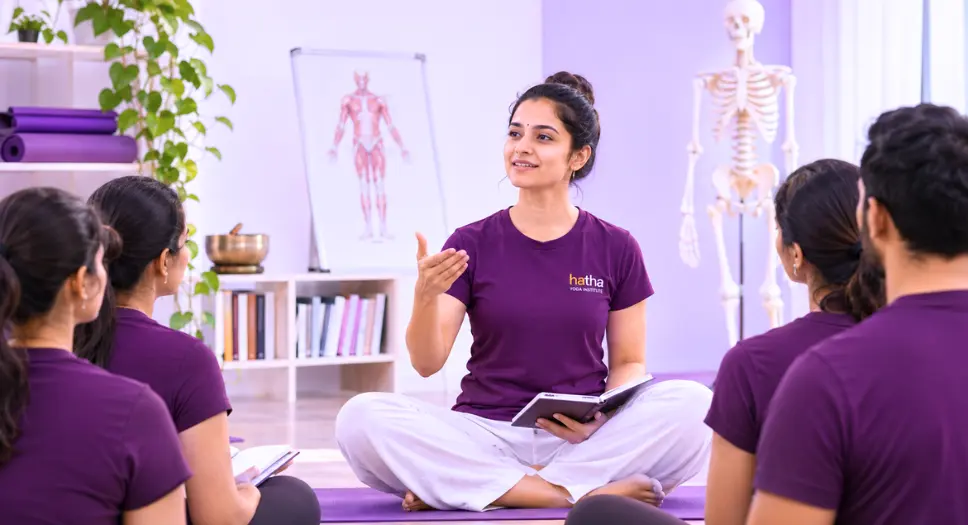
A strong foundation is the difference between a hobbyist and a professional. Teaching a physical practice carries responsibility, because incorrect guidance can lead to injury or confusion. This is why formal education matters so much.
A well designed yoga teacher training program prepares you in several important areas:
- Asana practice and alignment: Learning how each posture works and how to guide it safely.
- Pranayama and meditation: Understanding breath control and the mind body connection.
- Anatomy and physiology: Knowing how muscles, joints and the nervous system respond to practice.
- Teaching methodology: Learning to structure classes, give instructions and handle different group sizes.
- Philosophy and ethics: Studying the foundations of yoga and the responsibilities of a guide.
- Practical teaching experience: Practicing with real students and receiving feedback.
Many people join a program only to deepen their own practice and then discover that they enjoy teaching. Others join with a clear career goal from the start. Both paths are valid, and both benefit from structured learning.
How to Choose the Right Yoga Teacher Training Course
With so many options available, choosing wisely is essential. A good yoga teacher training course should offer more than a certificate. It should build real confidence and competence.
Consider the following points before enrolling:
- Curriculum depth: Check whether the syllabus covers asana, pranayama, anatomy, philosophy and teaching methods.
- Experience of faculty: Look for guides who have years of practice and teaching behind them.
- Recognition and certification: Confirm that the certificate is respected and accepted internationally.
- Practical exposure: Choose a program that includes practice teaching and personal feedback.
- Batch size: Smaller groups often allow better individual attention.
- Learning environment: A peaceful and supportive setting helps you absorb the teachings deeply.
- Student reviews: Honest feedback from past participants shows the true quality of a program.
- Post course support: Some institutes help graduates with guidance, community and opportunities.
Take your time with this decision. A thoughtful choice at the beginning shapes the quality of your entire journey.
Online and Offline Learning: Which Is Better?
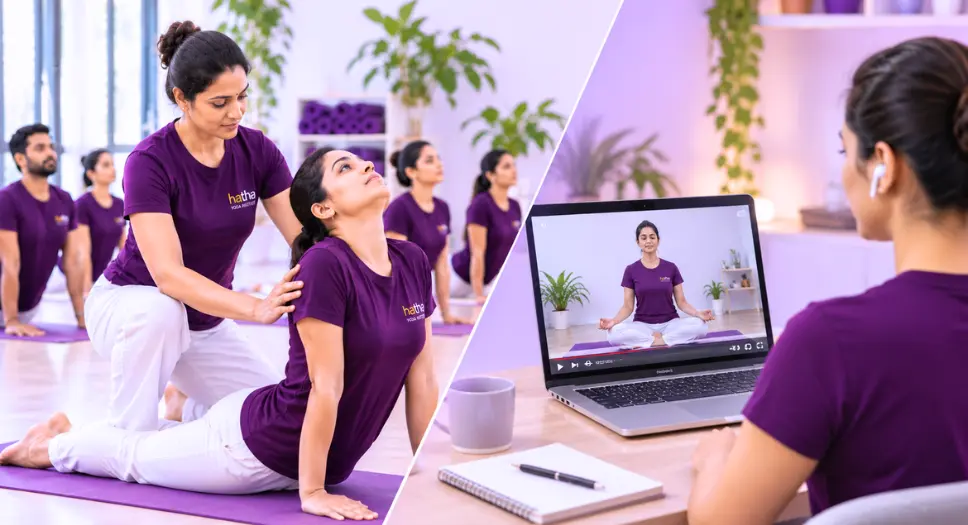
The rise of digital education has changed how people learn. Today, you can attend a program in a classroom, in a retreat setting or from the comfort of your home.
Offline learning offers:
- Direct, hands-on adjustments from experienced guides
- Immersive environment with fewer distractions
- Strong bonds with fellow students
- Daily routine that supports discipline
Online learning offers:
- Flexibility to study around work or family
- Access to teachers from different regions
- Lower travel and accommodation costs
- Ability to revisit recorded lessons
Neither format is automatically superior. The right choice depends on your schedule, learning style and goals. Many students find that a mix of both, such as a residential program followed by online practice, gives them the best results.
Challenges You Should Know About
Every profession has difficulties, and being aware of them helps you prepare.
- Competition: As the field grows, more professionals compete for the same students, so you need a clear identity and consistent quality.
- Income fluctuation: Early years may bring uneven earnings, especially if you depend only on studio classes.
- Physical demands: Teaching many classes can strain the body if you do not maintain your own balance and rest.
- Marketing responsibility: Independent professionals must learn to promote themselves without losing authenticity.
- Emotional energy: Holding space for others requires patience and self-care.
- Continuous learning: The need to keep studying never ends.
These challenges are manageable. Those who treat the work as a long term commitment rather than a quick career change tend to succeed.
Practical Tips to Build a Successful Career
If you are ready to begin, these steps can guide you:
- Start with your own practice. Practice consistently for at least a year before teaching so that you understand the journey.
- Complete a quality program. Choose a recognized course and treat it seriously.
- Find your niche. Whether it is prenatal, therapeutic, power-based or meditation-focused, specialization helps you stand out.
- Teach as much as possible early on. Offer free or low-cost classes to friends and community groups to build confidence.
- Build an online presence. Share useful content, short practice videos and your story on social platforms.
- Network with studios and wellness centers. Relationships often lead to opportunities.
- Collect feedback. Ask students what they enjoy and what could be better.
- Keep learning. Attend workshops, advanced programs and seminars regularly.
- Protect your wellbeing. A tired or burnt out guide cannot serve students well.
- Be patient. Reputation grows slowly but steadily when built on trust.
The Role of Hatha Yoga in Building Strong Teachers
Among the many styles of yoga, Hatha holds a special place as the foundation of most modern practices. It focuses on steady postures, breath awareness, and the balance of effort and ease. Because it moves at an approachable pace, it allows teachers to study alignment, breathing and mindfulness in detail.
Learning this traditional style gives future guides a solid base. Once you understand the fundamentals, you can adapt to other styles, explore advanced practices and teach students of all levels with confidence. This is why many aspiring teachers begin their journey with a Hatha based curriculum.
Why Choose Hatha Yoga Institute for Your Journey
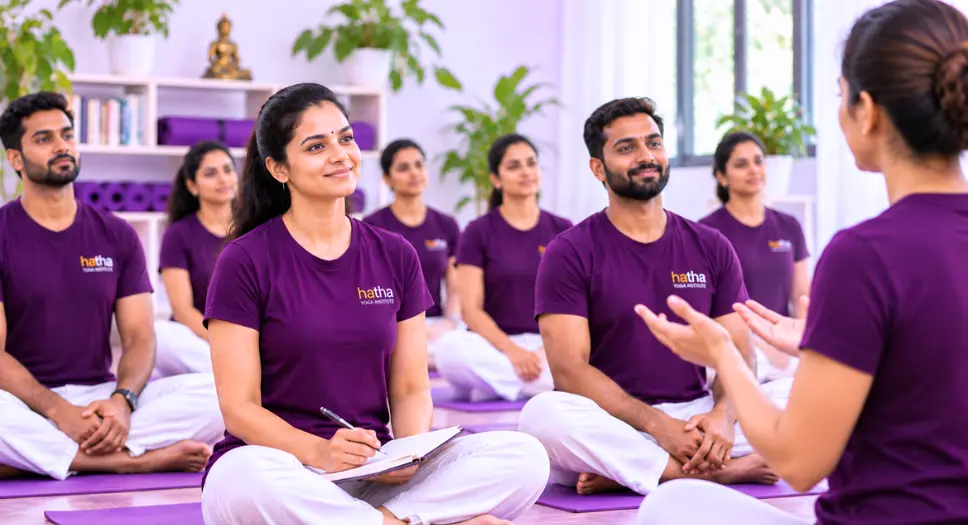
If you are looking for a place that values tradition, clarity and practical learning, Hatha Yoga Institute is worth exploring. The institute is dedicated to helping students build a strong foundation in classical practice while preparing them to teach with confidence and responsibility.
Here is what students can look forward to:
- A structured curriculum rooted in traditional Hatha principles
- Guidance from experienced and caring teachers
- Balanced focus on asana, pranayama, meditation, anatomy and philosophy
- Practical teaching sessions with supportive feedback
- A peaceful environment that encourages discipline and growth
- A welcoming community of like-minded learners
Whether you wish to deepen your personal practice or step into a professional career, Hatha Yoga Institute offers an encouraging space to begin. Reach out to the institute to learn about upcoming batches, course details and enrollment.
The Future of the Profession
All indicators suggest that this profession will continue to expand. Healthcare providers are increasingly recommending yoga alongside traditional treatment. Schools are adding mindfulness and movement to daily routines. Companies are investing in employee wellbeing. Technology is making quality guidance available to people who once had no access.
In the coming years, we may see:
- More integration of yoga into hospitals and rehabilitation centers
- Growth of specialized programs for stress, sleep, posture and emotional health
- Hybrid learning models that mix in-person and digital teaching
- Higher standards for certification and professional ethics
- Greater demand for culturally respectful and well-informed guides
For anyone who feels drawn to this path, the timing is excellent. The world needs thoughtful, trained and compassionate professionals who can help others live with more balance.
Frequently Asked Questions
1. Do I need to be extremely flexible to become a teacher?
No. Flexibility is not a requirement. Understanding, patience and the ability to guide others matter far more. Many respected professionals began with stiff bodies and built their practice gradually.
2. How long does it take to become qualified?
It depends on the program. Some are intensive and completed within a few weeks, while others are spread over months. Choose a format that allows you to absorb the material properly.
3. Can I work part time?
Yes. Many people teach a few classes per week alongside another job. Over time, some expand into full time work.
4. Is it possible to teach online only?
Absolutely. Many professionals build their entire careers online, though it requires good communication skills, basic technology knowledge and consistent marketing.
5. What age is suitable to start?
There is no fixed age. People begin this career in their twenties, forties, fifties and beyond. Life experience often becomes a strength.
Final Thoughts
The growth of this profession is not a passing trend. It reflects a deep and lasting change in how people view health, happiness and personal balance. As more individuals seek natural, holistic and sustainable ways to care for themselves, the need for skilled guides continues to rise.
Yoga teaching offers a rare combination of purpose, flexibility, creativity and personal growth. It allows you to earn a living while improving lives, including your own. With the right education, steady practice and a sincere attitude, you can build a career that is both rewarding and meaningful.
If you have ever felt the pull toward this path, take the first step. Explore a trusted program, strengthen your foundation and begin your journey with confidence. The world is ready for more compassionate and well-trained guides, and you could be one of them.