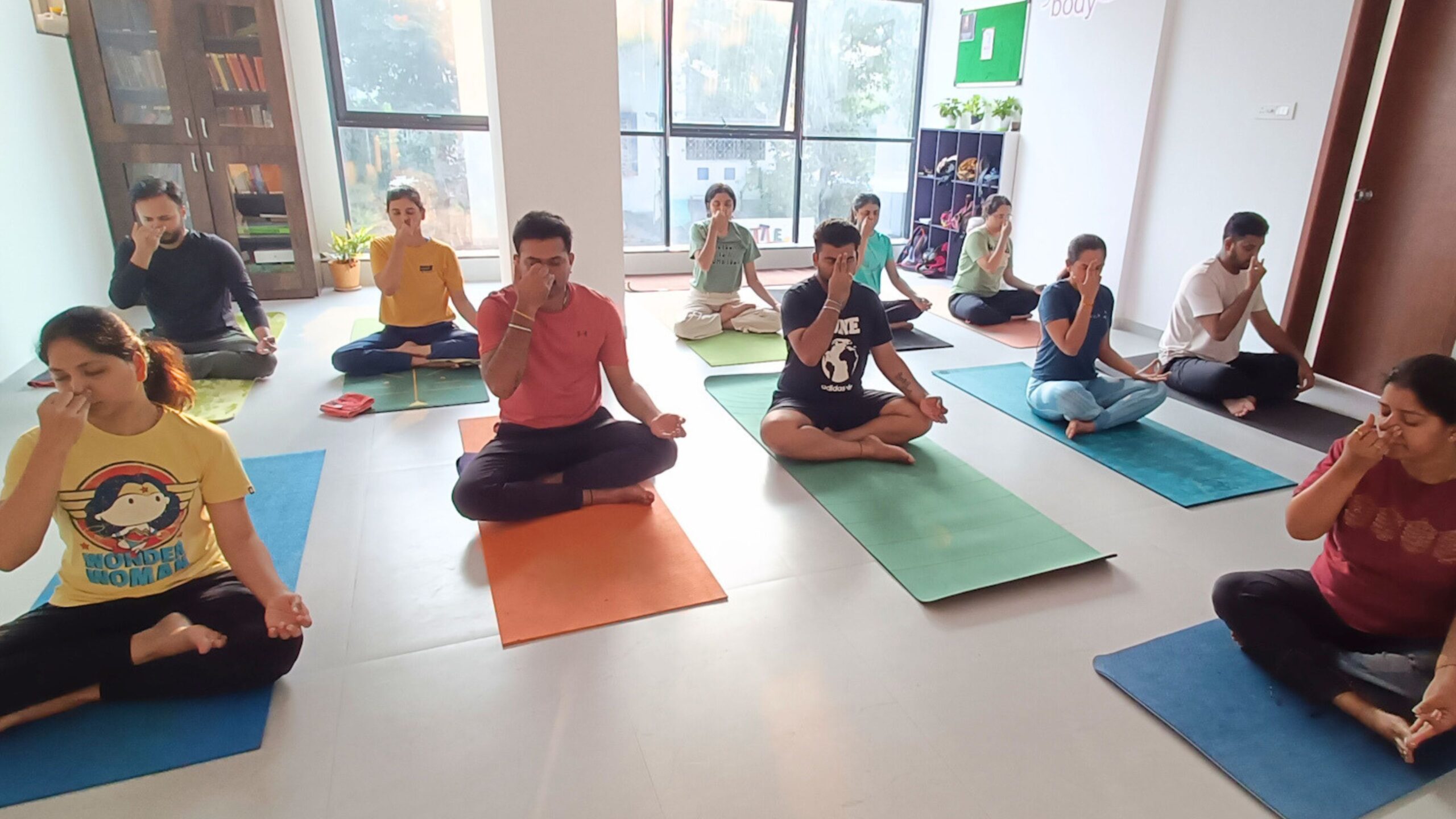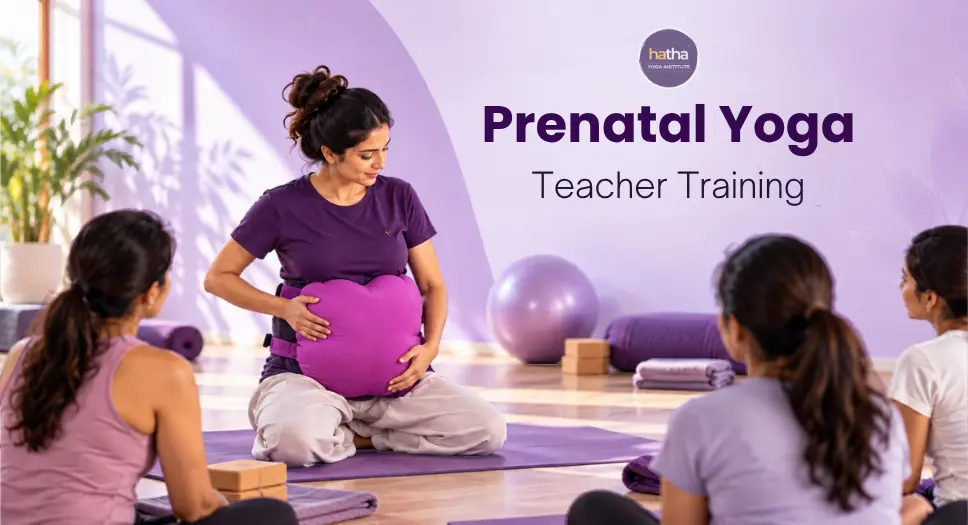
Pregnancy changes everything about a woman’s body, breath, and mind, and more expecting mothers than ever are turning to yoga to feel grounded through the process. This growing demand has created a real opportunity for yoga teachers who want to specialize. If you’ve been searching for direction on prenatal yoga training, this guide walks you through everything you need to know, from choosing the right prenatal yoga course to building a fulfilling career as a certified instructor in 2026.
Whether you’re a general yoga teacher looking to niche down or someone entirely new to the practice who feels called to support pregnant women, this guide will help you understand the path ahead clearly.
Why Become a Prenatal Yoga Instructor?
The wellness industry has seen a sharp rise in demand for specialized instructors who understand the physical and emotional needs of pregnant women. Unlike general yoga classes, prenatal sessions require a deep understanding of anatomy, trimester-specific modifications, and safety precautions. This is exactly why becoming a prenatal yoga instructor is such a meaningful and in-demand career path.
Here’s why more teachers are choosing this specialization:
- Growing awareness around prenatal fitness and mental wellness during pregnancy
- Higher earning potential compared to general group yoga classes
- Opportunity to build long-term relationships with clients across their pregnancy journey
- Flexibility to teach in studios, hospitals, birthing centers, or online
- A deeply rewarding role that directly supports maternal health
Many studios and wellness centers are actively looking for instructors who hold a recognized prenatal yoga instructor certification, which makes this a smart time to invest in specialized training.
What Does Prenatal Yoga Training Actually Involve?
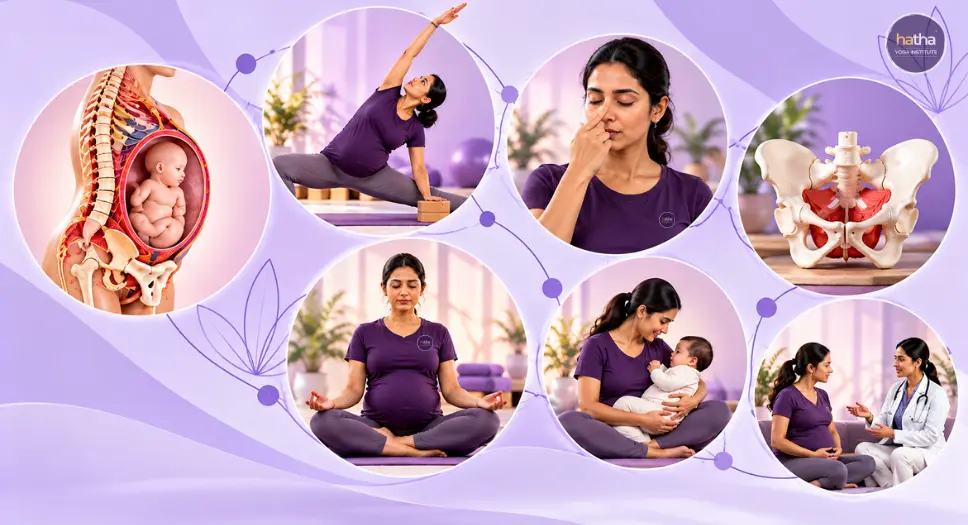
Before diving into how to get certified, it helps to understand what proper prenatal yoga training actually covers. This isn’t simply about modifying regular yoga poses. It’s a specialized discipline that blends anatomy, physiology, breathwork, and emotional support techniques designed specifically for expecting mothers.
A well-structured training program typically covers:
- Anatomy and physiology of pregnancy, including changes across each trimester
- Contraindicated poses and how to safely modify or avoid them
- Breathing techniques (pranayama) tailored for labor preparation
- Pelvic floor awareness and core stability during pregnancy
- Relaxation and meditation practices to reduce prenatal anxiety
- Postnatal considerations for teachers who also want to support new mothers
- Common pregnancy complications and when to refer a student to a doctor
This foundational knowledge is what separates a general yoga teacher from someone genuinely qualified to guide pregnant women safely through their practice.
Types of Prenatal Yoga Courses Available
Not all programs are created equal, and understanding your options is essential before enrolling in a prenatal yoga course. Here’s a breakdown of the common formats you’ll come across:
1. In-Person Studio Training
This hands-on format allows direct feedback from senior teachers, real-time pose corrections, and peer practice with fellow trainees. It’s ideal for those who learn best through physical demonstration and personal mentorship.
2. Online Certification Programs
Online prenatal yoga instructor course options have become increasingly popular, especially for working teachers who need flexibility. These programs usually include recorded lectures, live Q&A sessions, and assignment-based evaluation.
3. Hybrid Training Models
A blend of online theory modules and in-person practical sessions, hybrid courses are gaining popularity because they combine convenience with the hands-on experience that pregnancy-focused teaching demands.
4. Weekend Intensive Workshops
Shorter, condensed programs designed for teachers who already hold a general yoga certification and want to add a prenatal specialization without committing to months of study.
When comparing options, always check whether the school is recognized by a major yoga alliance body, as this affects your credibility and insurance eligibility later on.
Requirements for Prenatal Yoga Instructor Certification `
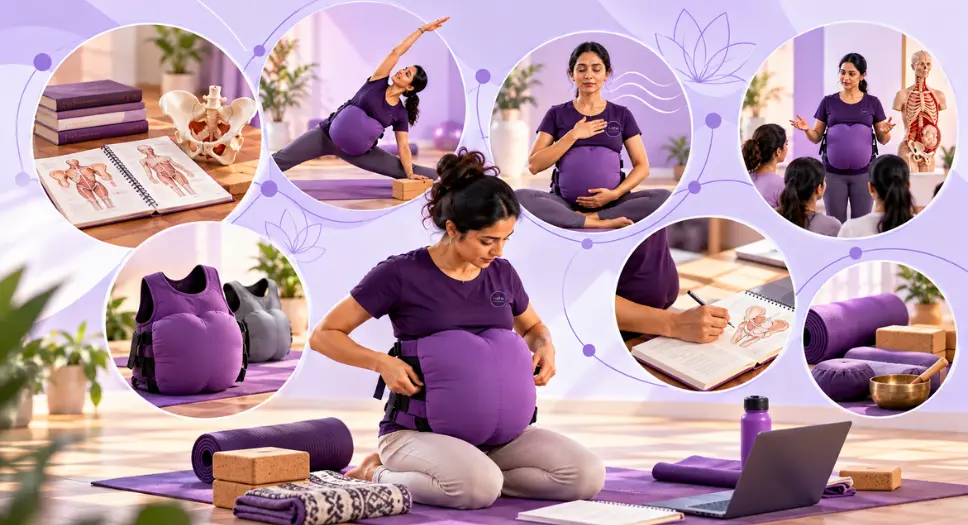
Most reputable prenatal yoga instructor certification programs share a similar set of prerequisites, though the exact requirements can vary by school. Generally, you’ll need:
- A base-level yoga teacher training certificate, usually a 200-hour RYT (Registered Yoga Teacher) qualification
- A minimum of one to two years of personal yoga practice experience
- Basic understanding of human anatomy (some programs teach this within the course itself)
- A genuine interest in maternal health and women’s wellness
- Willingness to complete supervised teaching hours or practicum sessions
Some advanced programs also request that candidates have prior experience teaching group classes, since managing a room full of pregnant women with varying trimesters and fitness levels requires confidence and adaptability.
How to Choose the Right Prenatal Yoga Instructor Course
With so many programs available, choosing the right prenatal yoga instructor course can feel overwhelming. Here are the key factors to evaluate before you commit:
- Accreditation: Confirm the course is recognized by Yoga Alliance or an equivalent certifying body in your country
- Curriculum depth: Look for programs that go beyond pose modification and include anatomy, high-risk pregnancy awareness, and postnatal transition
- Instructor experience: Research the lead trainers’ background in prenatal and maternal wellness, not just general yoga
- Practical teaching hours: Choose programs that require supervised practice teaching, not just theory exams
- Community and mentorship: Ongoing support after certification is a strong indicator of a quality program
- Reviews and alumni outcomes: Look for testimonials from past students who successfully built teaching careers afterward
A course that checks all these boxes will set you up not just to pass an exam, but to genuinely serve your future students with confidence and safety.
Core Curriculum: What You'll Learn in Prenatal Yoga Instructor Training
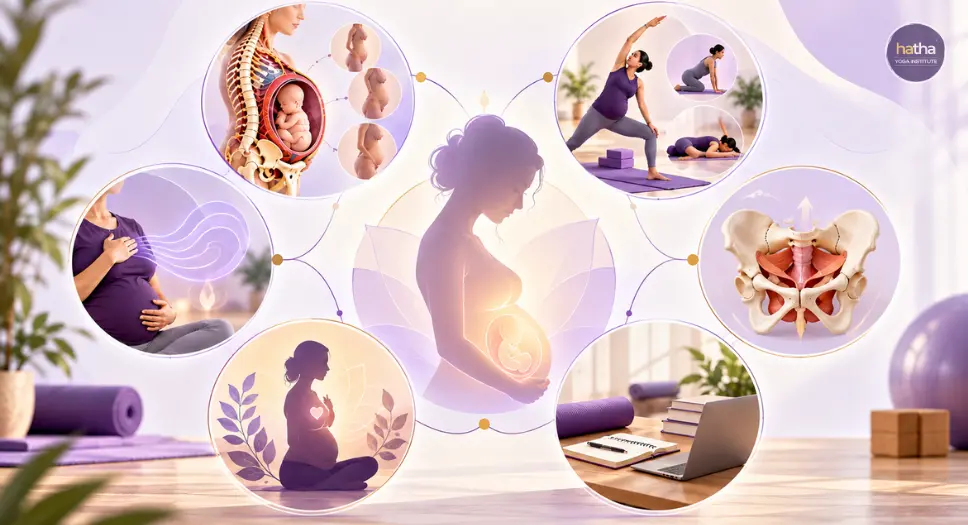
A comprehensive prenatal yoga instructor training program is typically structured across several modules. Here’s what a well-rounded curriculum usually includes:
Module 1: Foundations of Pregnancy Anatomy
Understanding hormonal changes, joint laxity from relaxin, postural shifts, and how each trimester affects a woman’s body physically and mentally.
Module 2: Safe Asana Practice
Learning which poses to avoid, how to modify traditional postures, and how to design sequences appropriate for early, mid, and late pregnancy.
Module 3: Breath and Labor Preparation
Teaching pranayama techniques that help manage stress and prepare the body for labor, including breathing patterns used during active labor stages.
Module 4: Pelvic Floor and Core Work
Special focus on strengthening without straining, and preparing the pelvic floor for delivery and postpartum recovery.
Module 5: Emotional and Mental Wellness
Techniques for managing anxiety, mood swings, and prenatal depression through mindfulness and guided relaxation.
Module 6: Business and Teaching Practice
Practical guidance on building a client base, structuring classes, liability considerations, and marketing yourself as a certified instructor.
Programs that combine all six of these areas tend to produce far more confident and job-ready instructors compared to shorter, pose-only workshops.
Skills You'll Gain from a Prenatal Yoga Instructor Course
Completing a proper prenatal yoga instructor course doesn’t just hand you a certificate, it builds a real skill set you’ll use throughout your teaching career:
- Ability to read body language and adjust sequences in real time
- Confidence in identifying red-flag symptoms that require medical referral
- Strong communication skills for building trust with anxious or first-time mothers
- Class planning skills tailored to mixed-trimester groups
- Deeper personal understanding of anatomy and breathwork
These skills extend beyond the yoga mat and often make instructors better communicators and more empathetic practitioners overall.
Career Opportunities After Certification
Once certified, the career paths open up considerably. Many instructors go on to work in:
- Private studios offering specialized prenatal classes
- Hospitals and maternity wellness centers
- Corporate wellness programs for expecting employees
- One-on-one private coaching for high-risk or first-time mothers
- Online platforms, teaching virtual prenatal classes globally
- Retreats and workshops focused on maternal wellness
Many certified instructors also choose to combine prenatal teaching with postnatal or mommy-and-baby yoga classes, creating a complete service offering that keeps clients engaged well beyond delivery.
Duration and Cost of Prenatal Yoga Training
Timeframes and pricing vary widely depending on the format and depth of the program:
- Weekend intensives: Typically 20 to 30 hours, completed over two to three days
- Standard certification programs: Usually 50 to 85 hours, spread across four to eight weeks
- In-depth diploma-style courses: Can extend to 100+ hours over two to three months
Cost typically depends on the reputation of the training school, whether it’s online or in-person, and the level of mentorship included. It’s worth viewing this as a long-term investment rather than a one-time expense, since certified instructors often charge significantly more per class than general yoga teachers.
Step-by-Step: How to Become a Certified Prenatal Yoga Instructor
If you’re ready to begin, here’s a simplified roadmap to follow:
- Complete a foundational yoga teacher training (200-hour RYT or equivalent) if you haven’t already
- Research accredited prenatal yoga programs and compare curriculum, cost, and format
- Enroll in a recognized prenatal yoga course that includes both theory and practical teaching hours
- Complete required practicum hours by teaching under supervision
- Pass the certification assessment, which may include written exams and live teaching evaluation
- Register with a yoga alliance body if applicable, to formalize your credentials
- Start building your class offerings, whether through a studio, online platform, or private sessions
- Continue your education through workshops on postnatal yoga, high-risk pregnancy, or prenatal massage integration
Following these steps methodically ensures you’re not just certified on paper, but genuinely prepared to teach safely and confidently.
Common Mistakes to Avoid
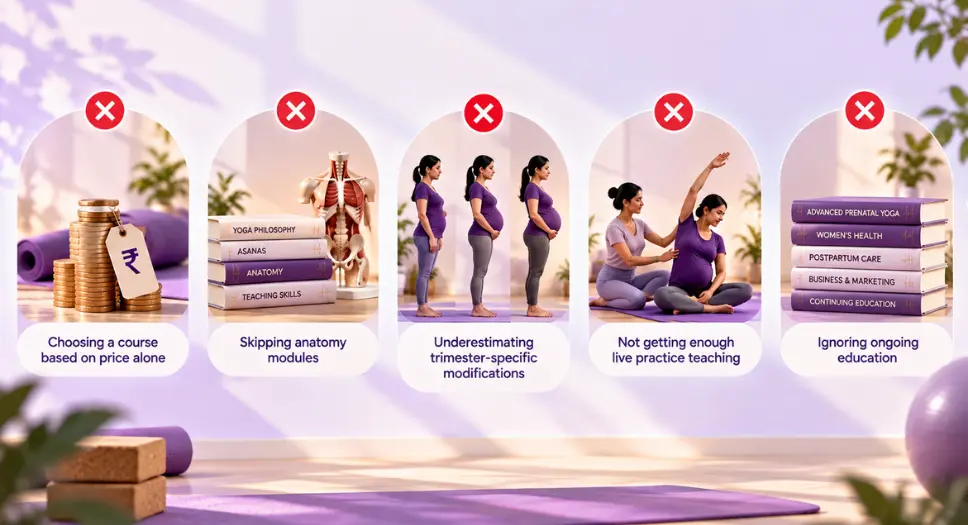
Even well-intentioned trainees sometimes stumble during this process. Watch out for these common pitfalls:
- Choosing a course based on price alone rather than curriculum quality
- Skipping anatomy modules because they feel “less important” than physical practice
- Underestimating how different trimester-specific modifications can be
- Not seeking enough live practice teaching before working with real clients
- Ignoring ongoing education after initial certification
Avoiding these mistakes early on will save you time and help you build a much stronger foundation for your teaching career.
A Note on Choosing the Right Training Partner
Your choice of training school matters just as much as your personal commitment. Hatha Yoga Institute is known for its structured approach to specialized yoga certifications, including programs that blend traditional teaching methods with modern anatomy-based instruction. For those exploring options for a well-rounded prenatal yoga instructor training, institutes with a strong traditional foundation like Hatha Yoga Institute can offer the kind of grounded, safety-first approach that this specialization truly demands. It’s worth including on your shortlist while comparing programs.
Trends Shaping Prenatal Yoga in 2026
The way expecting mothers approach fitness and wellness has shifted noticeably over the past few years, and instructors entering the field now should be aware of where the industry is heading:
- Hybrid class formats are becoming the norm, with studios offering both in-person and livestreamed sessions so mothers can practice regardless of location or trimester-related limitations
- Integration with mental health support is growing, as more instructors are trained to recognize signs of prenatal anxiety and depression and collaborate with therapists or doulas
- Personalized, small-group coaching is replacing large generic classes, since expecting mothers increasingly want individualized attention tailored to their specific pregnancy
- Partnerships with hospitals and midwifery clinics are expanding, giving certified instructors access to referral networks they wouldn’t have had a decade ago
- Postnatal continuity programs are becoming standard, where instructors follow clients from pregnancy through recovery rather than treating prenatal classes as a standalone offering
Staying aware of these shifts helps new instructors position themselves competitively, whether they plan to work independently or join an established studio.
Building Your Reputation as a New Instructor
Certification is only the starting point. Once you’ve completed your training, the real work of establishing trust with clients begins. A few practical strategies that experienced instructors recommend include:
- Offering a few complimentary or discounted introductory classes to build initial testimonials
- Partnering with local doulas, midwives, or obstetricians who can refer clients directly
- Creating simple educational content, such as short videos on safe stretches, to demonstrate expertise online
- Joining local parenting or maternity groups to build organic word-of-mouth referrals
- Keeping detailed notes on each client’s trimester and any medical considerations, so every session feels personalized and safe
Reputation in this niche is built slowly but tends to be incredibly loyal once earned, since expecting mothers often stay with an instructor they trust for their entire pregnancy and return for future pregnancies as well.
Frequently Asked Questions
1. Do I need prior yoga teaching experience before starting prenatal training?
Most programs require a base-level 200-hour yoga teacher certification, though some accept dedicated beginners with strong personal practice.
2. How long does it take to complete prenatal yoga instructor certification?
Depending on the format, it can range from a weekend intensive to a multi-month diploma program.
3. Can I teach prenatal yoga online after certification?
Yes, many certified instructors successfully run virtual classes, provided they clearly communicate safety guidelines to remote students.
4. Is prenatal yoga training worth the investment?
Given the growing demand for specialized maternal wellness instructors, most teachers find it a valuable long-term career investment.
Final Thoughts
Becoming a certified prenatal yoga instructor is more than adding a credential to your resume, it’s about stepping into a role that genuinely supports women through one of the most transformative periods of their lives. With the right prenatal yoga training, a thoughtfully chosen prenatal yoga instructor course, and a commitment to ongoing learning, you can build a meaningful and sustainable career in 2026 and beyond.
Take your time researching programs, ask questions about curriculum depth, and choose a path that prioritizes safety and genuine skill-building over a quick certificate. The mothers you’ll eventually teach deserve nothing less.