Yoga has moved far beyond the boundaries of ashrams and quiet studios tucked into narrow lanes. Today it is a global movement, practiced in corporate wellness rooms, school gymnasiums, hospitals, and living rooms streamed through a laptop screen. As the demand for skilled instructors has grown, so has the number of people calling themselves “yoga teachers” after a weekend workshop or a few months of casual practice. This is exactly why a yoga certificate from a recognized body has become non negotiable for anyone serious about teaching yoga professionally.
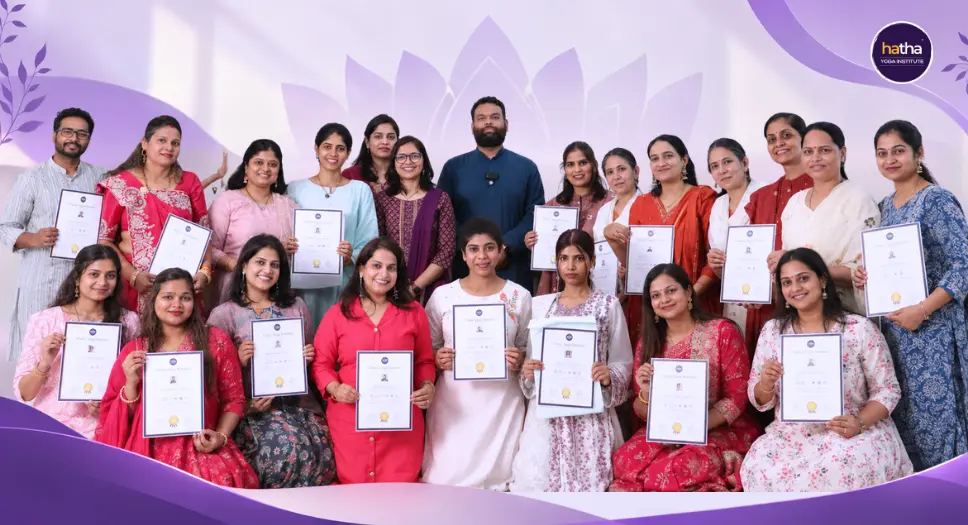
A certificate is not just a piece of paper to frame on your studio wall. It is proof that you understand anatomy, philosophy, breathing techniques, alignment principles, and teaching methodology well enough to guide another human body safely through postures that, if done incorrectly, can cause real harm. In this article, we will explore why recognized certification matters so much, what bodies like YCB and Yoga Alliance actually verify, how an online yoga teacher training program can be just as rigorous as an in person one, and what to look for in a good yoga instructor course.
The Problem With Unregulated Yoga Teaching
Unlike medicine or law, yoga teaching is not tightly regulated by government bodies in most countries. Anyone can technically open Instagram, post a few flexible poses, and call themselves a yoga guru. This lack of regulation has created a strange paradox: yoga, a discipline built on discipline, self study, and gradual mastery, has become one of the easiest professions to fake.
This is a problem for three groups of people:
- Students, who may be taught unsafe adjustments or incorrect alignment that leads to injury over time.
- Employers, such as studios, wellness centers, and resorts, who need a reliable way to filter serious teachers from hobbyists.
- Teachers themselves, who invest time and money into training but have nothing standardized to show for it when applying for jobs abroad or building an online brand.
A recognized yoga certificate solves all three problems at once. It gives students confidence, gives employers a benchmark, and gives teachers a credential that travels with them internationally.
What Does "Recognized" Actually Mean?
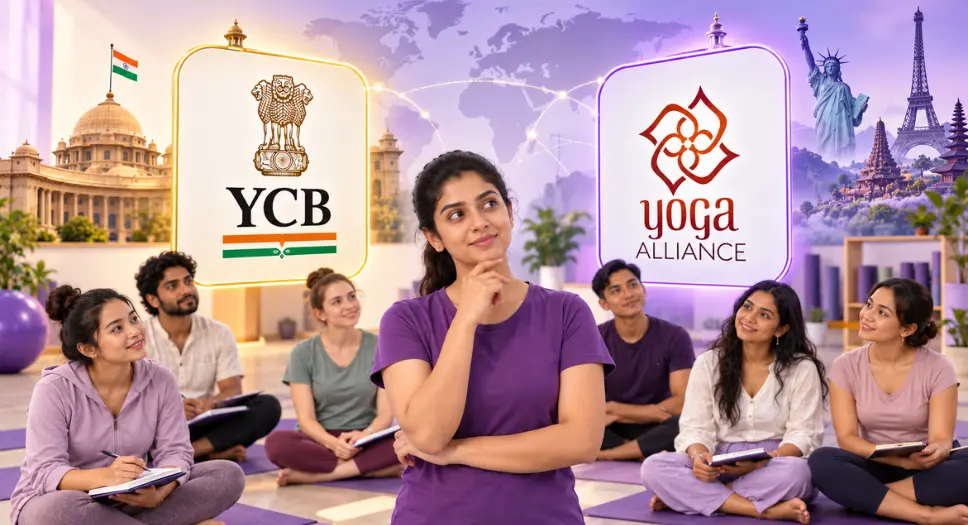
Not every yoga school that issues a certificate is equal. A certificate is only as strong as the body backing it. Recognition generally comes from two main sources in the yoga world today.
The Yoga Certification Board (YCB)
The YCB, established under the Ministry of AYUSH in India, is a government backed body that sets national standards for yoga education. A certificate accredited by YCB signals that the curriculum meets specific criteria laid out by the Indian government for yoga instructors, including hours of practical training, theoretical knowledge of yogic texts, anatomy, and assessment through structured examinations.
Because it is government affiliated, YCB certification carries particular weight for teachers who want to:
- Work with government run wellness programs or AYUSH initiatives
- Teach in schools or public institutions in India
- Build credibility rooted in the traditional, scientifically vetted approach to yoga
- Apply for yoga related government jobs or empanelment as an assessor
Yoga Alliance Certification
On the international stage, Yoga Alliance certification is the most widely recognized credential, especially in the United States, Europe, and much of the English speaking yoga industry. Yoga Alliance itself does not train teachers directly. Instead, it registers yoga schools (Registered Yoga Schools, or RYS) that meet its curriculum standards, and those schools issue certificates that allow graduates to register as RYT (Registered Yoga Teacher) 200 or 500 hour instructors.
Studios around the world, from Bali to Los Angeles, often list “Yoga Alliance certification preferred” or “required” in their hiring criteria. This makes it one of the most practical credentials for teachers who want flexibility to work internationally, teach retreats, or build an online following of students who recognize the badge of legitimacy.
Why Recognition Changes Everything
1. It Validates Your Learning, Not Just Your Practice
Being able to hold a headstand for five minutes does not make someone qualified to teach yoga safely. Teaching requires understanding why a pose works, which muscles it engages, which conditions make it contraindicated, and how to modify it for different bodies. A structured yoga instructor course under a recognized body ensures these fundamentals are actually taught and tested, not assumed.
2. It Protects Students From Harm
Yoga is generally safe, but incorrect instruction around the neck, spine, and knees can cause lasting injury. Recognized certification programs mandate a minimum number of hours dedicated to anatomy and physiology, along with supervised teaching practice, precisely to reduce this risk.
3. It Opens Doors Internationally
A certificate that only your local studio recognizes will not help you if you want to teach in Thailand, run retreats in Portugal, or get hired at a five star wellness resort in the Maldives. Yoga Alliance certification and, increasingly, YCB accreditation are recognized well beyond their country of origin, giving graduates genuine mobility in a growing global industry.
4. It Builds Trust With Students Faster
When a new student is choosing between two instructors online, one with a verifiable, recognized credential and one without any, the decision is almost always easy. People are trusting their bodies and health to a stranger. A visible, verifiable yoga certificate shortens the trust building process significantly.
5. It Often Becomes a Legal or Insurance Requirement
Many studios, gyms, and corporate wellness programs now require proof of certification before allowing an instructor to teach on their premises, partly for insurance and liability reasons. Without recognized credentials, some doors simply will not open, no matter how talented the teacher is.
The Rise of Online Yoga Teacher Training

A decade ago, the idea of getting certified without physically attending a school in Rishikesh or Mysore would have seemed almost impossible. That has changed dramatically. Online yoga teacher training has matured into a genuinely rigorous format, particularly after the pandemic pushed education of every kind into digital spaces.
Good online programs today typically include:
- Live, scheduled classes with real time interaction and correction, not just pre recorded videos
- Small batch sizes so instructors can actually observe and correct student alignment through video
- Structured modules covering anatomy, philosophy, teaching methodology, and practicum
- Assessments, viva examinations, and practical teaching demonstrations
- Certification aligned with recognized bodies such as YCB or Yoga Alliance, so the credential holds real weight
The convenience of online yoga teacher training should not be mistaken for lower quality. In fact, many students report deeper engagement with theory and philosophy modules because they can revisit recorded sessions, something rarely possible in a fast paced residential program. That said, the credibility of the certificate still depends entirely on whether the school issuing it is properly recognized. This is where prospective students need to do their homework before enrolling.
How to Choose the Right Yoga Instructor Course
With so many options available, choosing the right yoga instructor course can feel overwhelming. Here is a practical checklist to guide the decision.
- Check accreditation first: Confirm whether the school is affiliated with YCB, registered with Yoga Alliance, or both. Ask for the registration number and verify it independently on the official website rather than trusting a screenshot or logo alone.
- Look at curriculum depth, not just hours: A 200 hour course crammed into five days is very different from one spread across several weeks with proper rest and integration time. More hours generally mean more depth in anatomy, philosophy, and teaching practice.
- Evaluate the faculty: Research the lead trainers’ backgrounds, their own certifications, teaching experience, and specializations. A course is only as strong as the people teaching it.
- Ask about practicum and feedback: A real teacher training program should include supervised practice teaching with detailed, individual feedback, not a single group demo at the end.
- Understand the assessment process: Reputable programs include written exams, practical teaching assessments, and sometimes a viva or interview before awarding certification. If a school promises certification with no real evaluation, that is a red flag.
- Consider post certification support: Some schools offer mentorship, job placement assistance, or continuing education pathways for advanced certifications like 300 hour or 500 hour trainings.
- Compare online versus in person formats honestly: Decide based on your learning style, schedule, and budget rather than assuming one format is automatically superior. A well structured online yoga teacher training with live interaction can rival, and sometimes exceed, a rushed in person course.
Common Myths About Yoga Certification
It helps to clear up a few misconceptions that often confuse new students.
- Myth: Any certificate is as good as another. In reality, unrecognized or unaccredited certificates carry little to no weight with employers or serious students.
- Myth: Online certification is automatically less credible. Credibility depends on the school’s accreditation and teaching quality, not the delivery format.
- Myth: You need certification only if you want to teach in a studio. Even independent teachers building an online following benefit enormously from a recognized yoga certificate, since it builds audience trust and often unlocks partnerships, brand collaborations, and platform features that require verified credentials.
- Myth: More certificates always mean more expertise. Stacking multiple certifications from unrecognized sources does not compensate for the absence of even one solid, recognized qualification.
The Long Term Career Value of Proper Certification
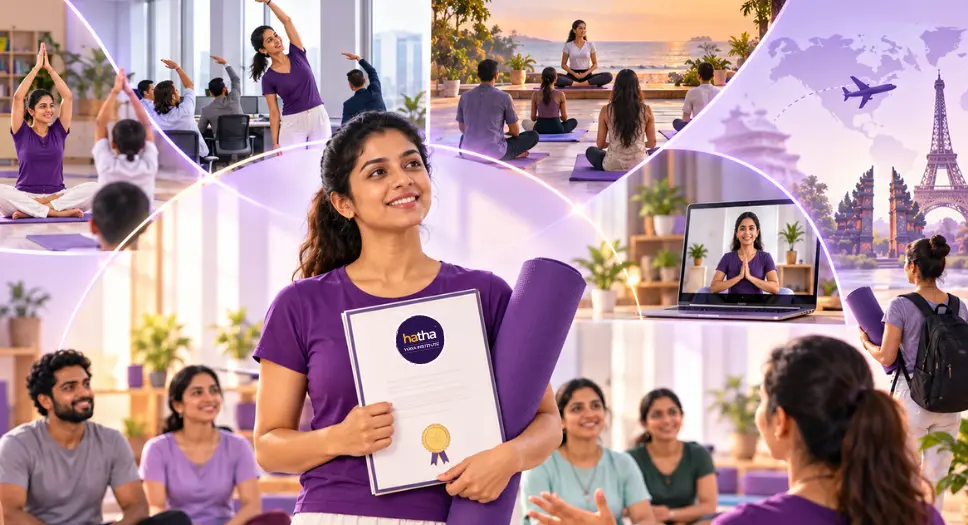
Yoga teaching, for many, starts as a passion project and gradually becomes a full time career. Those who invest early in a properly recognized yoga instructor course tend to have smoother career trajectories. They can:
- Apply confidently to international studios and resorts without their credentials being questioned
- Command higher fees, since certified instructors are generally seen as more professional and reliable
- Progress naturally into advanced trainings, such as 300 hour or 500 hour certifications, which usually require a recognized 200 hour foundation first
- Build a personal brand around genuine expertise rather than social media popularity alone
- Access opportunities like teaching at wellness retreats, corporate programs, and yoga therapy settings that specifically require verifiable credentials
In contrast, teachers who skip proper certification, or complete a course from an obscure, unrecognized school, often hit a ceiling. They may struggle to expand beyond a small local following or find themselves excluded from opportunities that specifically list YCB or Yoga Alliance certification as a requirement.
A Word on Choosing the Right Institute
If you are exploring where to begin, it is worth considering an institute that combines traditional depth with modern flexibility. Hatha Yoga Institute is one such option, offering structured online yoga teacher training programs designed around recognized certification standards, experienced faculty, and a genuine focus on anatomy, philosophy, and teaching practice rather than just flexibility and Instagram worthy poses. For those who want a credential that actually holds weight in the industry, exploring what an institute like this offers alongside its accreditation details is a sensible first step before enrolling anywhere.
The Growing Demand for Certified Yoga Teachers
The global wellness industry has expanded at a remarkable pace over the last several years, and yoga sits right at the center of that growth. Corporate offices now schedule weekly sessions to manage employee stress. Hotels and resorts build entire wellness wings around yoga and meditation offerings. Schools are introducing yoga into physical education curriculums to help children manage anxiety and improve focus. Hospitals and rehabilitation centers are exploring yoga therapy as a complement to conventional treatment.
Every one of these settings comes with its own hiring standards, and almost all of them now ask for some form of verifiable qualification before bringing an instructor on board. This shift has quietly raised the bar across the entire profession. A decade ago, charisma and flexibility might have been enough to land a teaching gig. Today, institutions want proof of structured training, and that proof usually comes in the form of a yoga certificate issued by a body whose standards they can independently verify.
This growing demand also means more competition among instructors. When dozens of people apply for the same studio position or the same online coaching niche, the ones who stand out are rarely the ones with the flashiest social media reels. They are the ones who can point to a credential like YCB accreditation or Yoga Alliance certification and back it up with genuine teaching skill.
Traditional Roots Meet Modern Standards
One of the most reassuring aspects of pursuing certification through a recognized body is that it does not strip yoga of its traditional depth. If anything, programs accredited by YCB tend to lean heavily into classical texts, breathing sciences, and philosophy rooted in centuries old Indian tradition, while still meeting contemporary standards for safety and pedagogy.
Similarly, most reputable schools registered with Yoga Alliance blend asana practice with study of the Yoga Sutras, pranayama, meditation, and subtle body anatomy, alongside modern anatomy and physiology drawn from current medical understanding. The result is a well rounded instructor who can speak to both the philosophical roots of the practice and the practical realities of teaching a room full of modern students with modern bodies, modern injuries, and modern stress levels.
This blend matters because yoga is not simply a fitness routine. It is a holistic system encompassing breath, mind, and body. A yoga instructor course that only teaches sequencing and alignment, without touching philosophy or subtle anatomy, produces instructors who can lead a workout but struggle to guide a genuine yoga practice. Recognized certification bodies generally insist on this fuller picture, which is exactly why their credentials carry more weight.
Frequently Asked Questions
1: Is a 200 hour certificate enough to start teaching?
Yes, in most cases a 200 hour yoga certificate from a recognized school is considered the foundational qualification needed to begin teaching group classes. Advanced specializations, such as prenatal yoga, yoga therapy, or 500 hour trainings, usually build on top of this foundation.
2: Can I get both YCB and Yoga Alliance certification from the same course?
Some schools do offer dual accredited programs, allowing graduates to register with both YCB and Yoga Alliance. This can be particularly useful for teachers who want credibility both within India and internationally.
3: How long does an online yoga teacher training program usually take?
Most online yoga teacher training programs for a 200 hour certification run anywhere from four to twelve weeks, depending on whether classes are held daily, on weekends, or spread across a longer part time schedule.
4: Does certification guarantee I will find work as a yoga teacher?
Certification alone does not guarantee employment, but it removes one of the biggest barriers to being considered for a role. Combined with genuine teaching skill, communication ability, and consistent practice, a recognized yoga instructor course significantly improves your odds in a competitive market.
5: Is it worth paying more for a certification with strong accreditation?
Generally, yes. A cheaper course from an unrecognized school might save money upfront, but it can cost far more in missed opportunities down the line, especially if a future employer or platform requires proof of yoga alliance certification or YCB registration that the cheaper course simply cannot provide.
Final Thoughts
Yoga is, at its heart, a practice of discipline and integrity, values that should extend to how teachers are trained and certified. A yoga certificate from a recognized body such as YCB or through Yoga Alliance certification is not about collecting a credential for its own sake. It represents genuine competence, safety awareness, and respect for a tradition that deserves to be taught properly.
Whether you choose a traditional residential yoga instructor course or a well designed online yoga teacher training program, the single most important factor is recognition. Verify accreditation, research the faculty, understand the assessment process, and choose a path that will hold up wherever your yoga journey eventually takes you, whether that is a small local studio, a five star resort abroad, or a thriving online teaching practice built entirely on your own credibility.