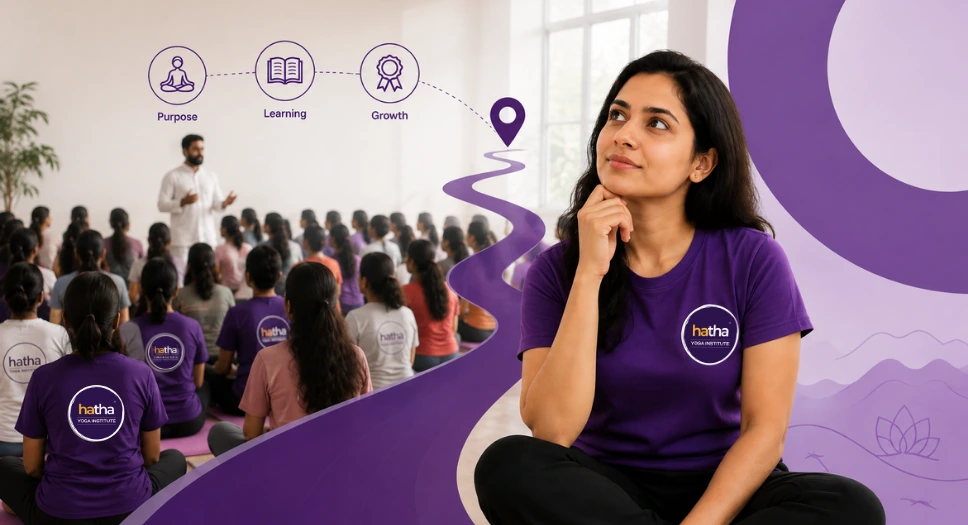
Choosing to further enhance your yogic practices by undergoing some form of yoga teacher training program is a momentous decision that needs serious contemplation. Whether your intentions are as simple as deepening your understanding of your own body or as grand as teaching yoga as a full-time job, the right yoga teacher training will be the turning point on your yogic journey. The problem is, not all training programs are created equal, and not all of them are suitable for you.
There are countless training programs available ranging from weekend trainings to month-long training programs, and making the right decision can be difficult. That’s why we created this guide to tell you what you need to know about choosing the best yoga teacher training program for you.
Why Choosing the Right Training Matters So Much
It does not take long to complete a yoga teacher training course. However, it leaves an imprint in the way one perceives the principles of anatomy, philosophy, breathing, teaching methodology, among other aspects. The worst-case scenario of making the wrong choice when picking a training program is receiving a certification that does not reflect your interests or specialty, such as therapeutic yoga, pregnancy, and even particular styles like Hatha and Vinyasa.
Therefore, it is essential to stop and think about your goals and motivations before signing up for anything. For example, are you planning to start your career in professional yoga teaching? Maybe you are interested in focusing on a particular niche, such as pregnancy yoga? Alternatively, you can consider the trend of face yoga courses that have recently started to gain popularity because of the holistic approach to skincare.
Step 1: Get Clear on Your Personal Goals
Before you even start browsing programs, take time to reflect on why you want this training in the first place. Some common motivations include:
- Teaching as a career: You want to lead classes, build a client base, and eventually run your own studio or freelance business.
- Deepening personal practice: You’re not necessarily planning to teach but want a richer, more informed relationship with yoga.
- Specializing in a niche: You’re drawn to a specific population or style, such as prenatal clients, therapeutic yoga, or facial wellness practices.
- Career transition: You’re moving from another wellness field, like massage therapy or physical therapy, and want to add yoga instruction to your toolkit.
Once you know your “why,” the type of program you need becomes much clearer. Someone who wants to specialize in pregnancy yoga, for instance, needs a very different curriculum than someone chasing a broad, general certification.
Step 2: Understand the Different Levels of Certification
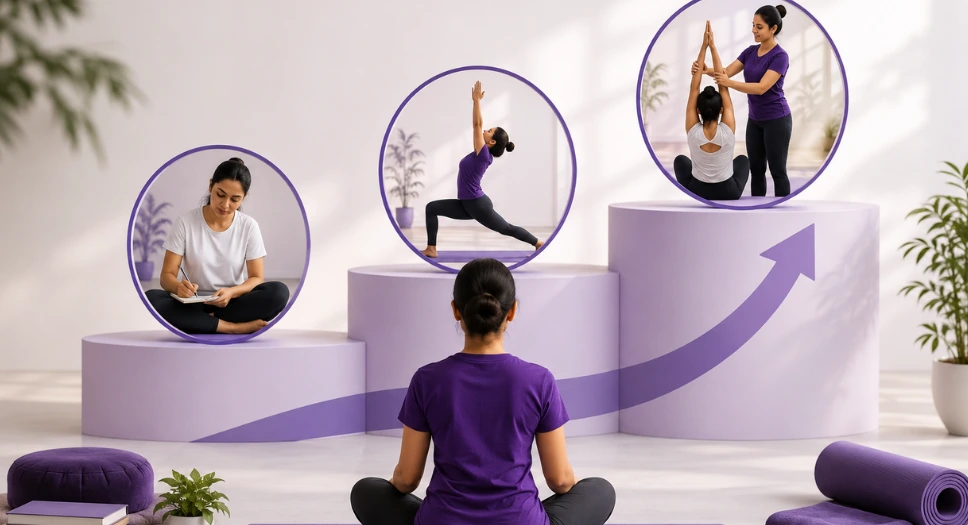
Yoga Alliance, the most widely recognized credentialing body in the industry, has standardized training into a few main tiers. Understanding these levels — and how they connect to each other — is essential before you commit.
200 Hour Yoga Teacher Training
A 200 hour yoga teacher training (which earns you the RYT 200 designation) is the foundational entry point for most aspiring teachers. It typically covers:
- Basic anatomy and physiology
- Foundational asana (postures) and alignment principles
- Introductory philosophy and history of yoga
- Breathwork (pranayama) fundamentals
- Teaching methodology and practicum
- Ethics and the business side of teaching
This level is ideal if you’re new to structured yoga education and want a well-rounded base before specializing further. Most studios and gyms require at least a 200 hour certification to hire entry-level instructors, making it the standard starting point for a yoga teacher training course. Note that Yoga Alliance requires all 200 hours to come from the same registered school — you can’t stitch together smaller courses from different schools to reach 200.
300 Hour Yoga Teacher Training
Once you’ve completed your 200 hour foundation, many practitioners choose to continue with a 300 hour yoga teacher training (leading to the RYT 300 designation). This is an advanced-level program, not a standalone starting point — a completed 200 hour training is a prerequisite. It builds on your existing knowledge and dives deeper into:
- Advanced asana and sequencing
- In-depth anatomy, including injury prevention and modifications
- Deeper philosophical study, often including classical texts
- Specialized teaching skills, such as working with specific populations
- Refinement of your personal teaching voice and style
Combining the Two: The 500 Hour Credential
Here’s the part worth understanding clearly: the 500 hour credential (RYT 500) isn’t a separate program you enroll in. It’s what you earn once your 200 hour and 300 hour trainings are combined — either from the same school or from two different Yoga Alliance–registered schools, since (unlike the 200 hour requirement) the 300 hour portion can be completed elsewhere.
Many experienced teachers consider RYT 500 the gold standard for serious instructors, since it also opens the door to becoming an E-RYT 500 down the line — a status that allows you to lead your own teacher trainings and offer continuing education to other teachers. If you already know you want to teach long term, planning your path toward this combined credential from the start can save you time and money, since some schools offer 200 + 300 hour tracks designed to flow directly into each other.
Step 3: Decide Between General and Specialized Training
Once you’ve settled on your foundational hours, the next decision is direction: do you want to stay a generalist, or focus your teaching on a specific niche?
A general track — sticking with your 200 hour, or continuing on to the combined 500 hour credential covered in Step 2 — keeps your training broad. You’ll be equipped to teach a wide range of students and class styles (vinyasa, hatha, gentle flow, and so on) without narrowing in on one population or technique. This is the more flexible path if you’re not yet sure what kind of teaching you want to build a career around.
A specialized track means training further in a specific niche after your foundational certification, so you can serve a particular population or offer something more distinct. There are many specializations to choose from — prenatal, yin, restorative, trauma-informed, kids’ yoga, yoga therapy, and senior-focused training, among others. Two examples worth knowing about:
Pregnancy Yoga Specialization
Pregnancy yoga has grown enormously in popularity as more expecting mothers look for safe, supportive movement practices throughout their pregnancy. A dedicated prenatal training teaches you:
- Trimester-specific modifications and contraindications
- Pelvic floor awareness and breathing techniques for labor preparation
- How to safely guide postures for changing bodies
- Emotional and psychological support techniques for expecting mothers
- Postpartum recovery considerations
If you’re passionate about supporting women through one of the most transformative periods of their lives, a specialized pregnancy yoga certification, typically taken after your foundational yoga teacher training, can open doors to a deeply rewarding and in-demand niche. It’s also one of the specializations Yoga Alliance recognizes as counting toward advanced-hour credentials.
Face Yoga Courses
On the other end of the spectrum, face yoga courses have emerged as a distinct and growing wellness trend. Worth noting upfront: this is quite different from traditional asana-based training, and it isn’t a Yoga Alliance–recognized specialization — it sits more in the skincare and wellness-coaching space than in yoga instruction proper. These courses focus on facial muscle exercises, lymphatic drainage techniques, and mindful practices designed to promote natural skin health, reduce tension, and support a more relaxed facial expression. It can be a wonderful complementary skill for:
- Estheticians and skincare professionals
- Yoga teachers wanting to diversify their offerings
- Wellness coaches interested in holistic beauty practices
If this niche excites you, look for face yoga courses taught by instructors with a background in facial anatomy, not just general wellness enthusiasts, to ensure you’re learning techniques that are both safe and effective.
Step 4: Evaluate the Curriculum Closely
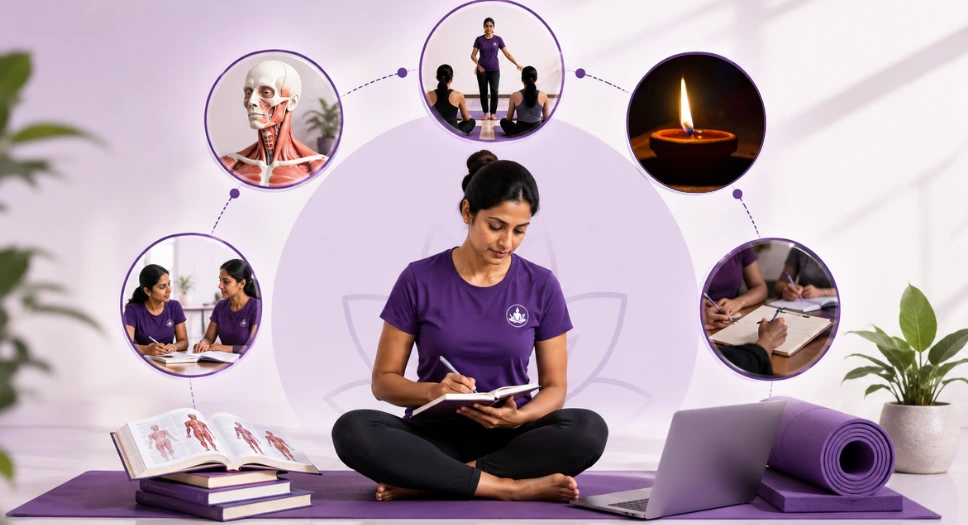
Once you’ve narrowed down the type of certification you want, it’s time to dig into the actual curriculum. A well-rounded yoga teacher training course should include the following components:
- Anatomy and physiology: Understanding how the body moves and how to prevent injury is non-negotiable.
- Philosophy and history: Yoga is more than physical postures, and a good program should honor its roots.
- Teaching methodology: Look for programs that give you real practice time leading classes, not just theory.
- Practicum and feedback: Hands-on teaching experience with constructive feedback from experienced mentors is invaluable.
- Business and ethics: If you plan to teach professionally, understanding liability, ethics, and how to build a sustainable practice matters just as much as asana knowledge.
Don’t be afraid to ask programs for a detailed syllabus before enrolling. A reputable school will happily share exactly what you’ll learn week by week.
Step 5: Consider the Format and Schedule
Yoga teacher trainings come in several formats, and choosing the right one depends heavily on your lifestyle and learning style.
- Immersive intensives: Typically 3 to 4 weeks of full-time, in-person study. Great for those who can take time off and want a deeply immersive experience.
- Weekend or modular formats: Spread out over several months, meeting on weekends. Ideal for working professionals who can’t take extended leave.
- Online or hybrid programs: Increasingly popular, offering flexibility for those with busy schedules or limited access to in-person studios.
Think honestly about how you learn best. Some people thrive in an intensive, immersive environment where everything is fresh and interconnected. Others need the breathing room of a modular schedule to absorb and practice material over time.
Step 6: Research the Instructors and Lead Teachers
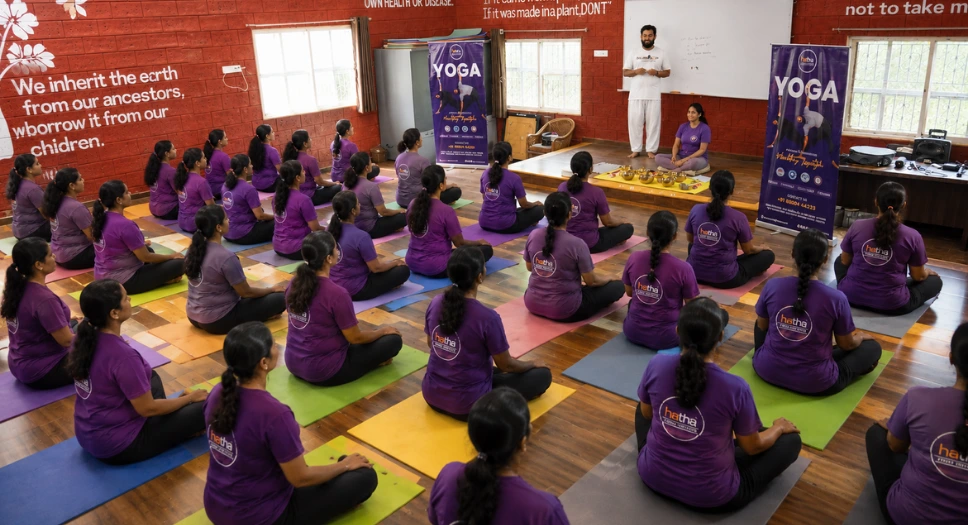
The quality of your training often comes down to the quality of your teachers. Before enrolling in any yoga teacher training, take time to research the lead instructors:
- How many years of teaching experience do they have?
- What is their specific area of expertise, whether that’s alignment-based Hatha, therapeutic yoga, or prenatal work?
- Do they have a teaching style that resonates with you?
- Can you find reviews or testimonials from past students?
Many schools offer introductory workshops or trial classes before their full training begins. Attending one of these, if available, is one of the best ways to get a feel for whether the teaching style and energy of the program are a good fit for you.
Step 7: Check Accreditation and Recognition
If you plan to teach professionally, accreditation matters. Look for programs registered with Yoga Alliance or an equivalent recognized body in your country. This ensures:
- Your certification is recognized by studios, gyms, and wellness centers
- You meet the minimum training hour requirements for insurance purposes
- Your credential holds weight if you eventually want to pursue advanced trainings, like moving from a 200 hour yoga teacher training to a 300 hour yoga teacher training
While accreditation isn’t everything, especially for smaller specialized courses like face yoga courses, it’s an important factor for anyone planning to build a long-term teaching career.

Step 8: Factor in Community and Support
Yoga teacher training is as much an inner journey as it is an educational one. The community you train alongside can make an enormous difference in your experience. Ask potential programs:
- What is the typical class size?
- Is there ongoing mentorship or support after graduation?
- Are there alumni networks or continued education opportunities?
A program that fosters genuine connection and offers support beyond graduation day sets you up for long-term success, not just a certificate.
Step 9: Compare Costs and Value
Cost is naturally a major consideration, but it shouldn’t be the only one. A cheaper yoga teacher training course isn’t necessarily a better deal if it skimps on instructor quality, practicum hours, or curriculum depth. When comparing costs, look at:
- What’s included, such as course materials, mats, or accommodation for intensives
- The instructor-to-student ratio
- Whether ongoing support or continuing education is part of the package
- The reputation and track record of the school
Sometimes paying slightly more for a well-established, reputable program is a far better investment than choosing the cheapest option available.
Common Red Flags to Watch Out For
Not every program that markets itself well is actually worth your time and money. As you research different options, keep an eye out for warning signs that a yoga teacher training course might not deliver on its promises:
- Vague or missing curriculum details: If a school can’t or won’t share a clear breakdown of what you’ll actually study, that’s a problem. You should never have to guess what’s covered in your yoga teacher training.
- No mention of practicum or teaching practice: A training that’s all lecture and no hands-on teaching leaves you unprepared to actually step into a classroom.
- Overly large class sizes with no individual feedback: Personal attention matters, especially when you’re learning alignment cues and adjustment techniques.
- Pressure tactics or limited-time discounts: Legitimate programs don’t need to rush you into a decision with artificial urgency.
- No verifiable instructor credentials: Be wary of lead teachers who can’t clearly explain their training background, especially for specialized areas like pregnancy yoga or face yoga courses, where safety knowledge really matters.
- Unclear accreditation status: If you’re relying on this certification for professional teaching, always confirm the program’s registration status directly rather than taking marketing claims at face value.
Trust your instincts here. If something feels off during your initial research or consultation calls, it’s worth exploring other options before you commit your time and money.
Questions to Ask Before You Enroll
A helpful way to compare programs side by side is to prepare a standard list of questions and ask every school the same ones. Here are some worth including:
- What is the total number of training hours, and how does that align with 200 hour yoga teacher training or 300 hour yoga teacher training standards?
- Who are the lead instructors, and what is their teaching background?
- What does a typical day or week look like in the program?
- How much of the training is dedicated to hands-on teaching practice versus lecture?
- Is the program accredited, and with which body?
- What kind of support is available after graduation?
- Are there opportunities to specialize, such as in pregnancy yoga or face yoga courses, either within the program or through follow-up trainings?
- What is the refund or cancellation policy if circumstances change?
Writing down the answers for each program you’re considering makes it much easier to compare apples to apples rather than relying on gut feeling alone.
How Long Does It Really Take
Timelines can be quite varied, depending on the nature of the training program itself and its intensity. The standard 200 hours yoga teacher training is usually either 3 to 4 weeks when taken intensively, or 3 to 6 months on a modular basis. The same applies to the 300 hours yoga teacher training course; there is even an extended program which lasts for a whole year to provide better integration of the material covered.
Courses with specialized content, like pregnancy yoga or face yoga training, usually take place over a period between a weekend and a few weeks long, since they are designed to supplement the existing yoga teacher certificate, not to start from the beginning.
If you design your own timeline, make sure that it is realistic regarding your current activities. Hasty completion of a yoga teacher training course is usually not what you expect to get.
Frequently Asked Questions
1. Do I need a 200 hour training before I can specialize in something like pregnancy yoga or face yoga?
In most cases, yes. Specialized trainings are designed to build on the anatomical and teaching foundation you gain from a standard yoga teacher training course, so completing your 200 hour certification first is typically recommended, and sometimes required.
2. Is a 300 hour yoga teacher training necessary to teach professionally?
Not always. Many studios hire teachers with just a 200 hour credential. However, a 300 hour yoga teacher training deepens your skill set considerably and can open doors to more advanced or specialized teaching opportunities, along with higher earning potential over time.
3. Can I take face yoga courses without any prior yoga background?
Yes, in many cases. Face yoga is a distinct practice from traditional asana-based yoga, so some face yoga courses are open to skincare professionals, estheticians, and wellness enthusiasts without requiring a full yoga certification, though having a yoga background certainly helps with body awareness and breathing techniques.
4. What if I’m not sure I want to teach at all?
That’s completely fine. Many people pursue a yoga teacher training purely to deepen their personal practice and understanding, with no intention of ever leading a class. The self-knowledge and confidence gained from the training are valuable on their own.
Bringing It All Together
The final decision regarding your training will depend entirely on self-reflection. You need to be realistic about your intentions, whether it is creating a career in teaching, enhancing your own yoga practice, or even specializing in an area such as pregnancy yoga and face yoga courses. You then have to compare these programs in terms of curriculum depth, instructors, format, accreditation, and community.
Keep in mind that choosing yoga teacher training is a very personal process. What suits somebody perfectly may not be the case for someone else. There is no rush – take your time, ask as many questions as possible, and know that your choice will be right for you.
A Note on Where to Begin Your Journey
Should you be undecided about which way to go, the Hatha Yoga Institute provides a nicely designed array of training programs, including basic yoga teacher training, advanced yoga teacher training, as well as special courses such as pregnancy yoga and face yoga. With qualified trainers who pay great attention not only to the philosophy but also to teaching methodology, this school makes a great start for your journey if you seek a training program which is really relevant to your needs and not another generic package.
No matter what program you choose, be open and patient. Not only will you learn how to lead others through postures and breath, but you will also learn how to listen to yourself better.