Yoga has grown from a quiet spiritual practice into a global wellness movement, and with that growth has come a genuine need for structure, credibility, and standardization in yoga teacher training. If you are dreaming of becoming a professional yoga instructor, one of the first questions you will run into is: which certification should I get? The two names that come up again and again are Yoga Alliance and YCB (Yoga Certification Board). Both are respected, both open doors, and both can feel confusing to a beginner trying to map out a career path.
This guide breaks down what these certifications actually mean, how they differ, why they matter, and how you can choose the right one for your goals. Whether you want to teach in a studio down the street or build an international teaching career, understanding yoga certification requirements is the foundation everything else is built on.
Why Certification Matters for a Yoga Teacher
A few decades ago, anyone with enough practice and passion could call themselves a yoga teacher. Today, the industry has matured. Studios, gyms, wellness retreats, and even corporate wellness programs now expect a yoga teacher to hold a recognized credential before stepping in front of a class.
Certification matters for several reasons:
- It proves you have received structured training in anatomy, philosophy, teaching methodology, and safe alignment practices.
- It builds trust with students who want to know their instructor is qualified.
- It often becomes a legal or insurance requirement in many countries, including for liability coverage.
- It opens access to better-paying jobs, international opportunities, and studio partnerships.
- It gives you a professional identity within a global community of practitioners.
Without certification, you may still practice yoga beautifully, but you will find it difficult to be hired, insured, or taken seriously as a working professional. This is exactly why understanding yoga certification systems like Yoga Alliance and YCB is essential before you invest your time and money into a training program.
What Is Yoga Alliance?
Yoga Alliance is a United States-based nonprofit organization that has become the most widely recognized name in the global yoga teaching community. It does not directly train or certify teachers itself. Instead, it registers and accredits yoga schools and training programs that meet its educational standards, and then registers individual teachers who complete those approved programs.
Founded in 1999, Yoga Alliance was created to bring some consistency to an industry that had no universal benchmark. Today, it has hundreds of thousands of registered teachers and thousands of registered schools spread across the world.
How Yoga Alliance Certification Works
Yoga Alliance offers a tiered system based on training hours:
- 200-Hour Yoga Teacher Training (RYT 200): This is the foundational level, ideal for beginners who want to start teaching basic classes. It typically covers asana, anatomy, philosophy, teaching methodology, and practicum hours.
- 300-Hour Yoga Teacher Training (RYT 300): A more advanced level for those who already hold a 200-hour certification and want to deepen their expertise.
- 500-Hour Yoga Teacher Training (RYT 500): Achieved by combining the 200-hour and 300-hour trainings, this is considered the gold standard for advanced, experienced teachers.
- Specialized Certifications: Yoga Alliance also recognizes specialty trainings such as prenatal yoga and children yoga.
To register as a yoga teacher with Yoga Alliance, you must complete your training through a school registered as a Registered Yoga School (RYS). Once certified, you can apply for individual registration, which gives you the letters RYT (Registered Yoga Teacher) after your name.
Benefits of Yoga Alliance Certification
- Globally recognized, especially in the United States, Europe, Australia, and increasingly across Asia.
- Provides access to a large professional network and continuing education resources.
- Often preferred by international studios and yoga retreats hiring foreign teachers.
- Helps with visa applications for teachers wanting to work abroad in certain countries.
- Adds instant credibility to your resume when applying to established wellness brands.
Limitations to Keep in Mind
- Yoga Alliance is not a government regulatory body; it is a private membership organization.
- Certification requires annual membership renewal and continuing education credits.
- Quality of training can vary between schools even though they are all “registered,” so due diligence is required before enrolling.
What Is YCB (Yoga Certification Board)?
YCB, or the Yoga Certification Board, is an initiative by the Ministry of Ayush, Government of India. Unlike Yoga Alliance, which is a private nonprofit, YCB is a government-backed certification body created specifically to standardize yoga education within India and promote authentic, traditional yoga teaching rooted in its country of origin.
YCB was established to ensure that yoga, as it is taught and practiced globally, retains its classical and cultural integrity. Since yoga originated in India, the government felt a responsibility to create an official, quality-assured certification framework that could stand alongside international bodies like Yoga Alliance.
How YCB Certification Works
YCB certification is structured around examinations and skill assessments rather than purely training-hour accumulation. The process usually includes:
- Yoga Protocol Instructor: A basic-level course focused on foundational asana, pranayama, and simple teaching skills.
- Yoga Wellness Instructor: A more comprehensive certification that includes deeper anatomy, therapeutic yoga, and instructional skills.
- Yoga Teacher: Designed for those who wish to become full-fledged professional instructors with strong theoretical and practical command.
- Yoga Master: The highest tier, aimed at advanced practitioners, therapists, and those pursuing academic or clinical applications of yoga.
To be certified, candidates typically need to complete recognized training and then clear a national-level examination, which includes both theory and a practical skill test conducted by certified assessors.
Benefits of YCB Certification
- Government-recognized credibility, which carries significant weight within India.
- Strong emphasis on the traditional, classical roots of yoga rather than fitness-oriented interpretations.
- Increasingly respected internationally as governments and institutions look for authenticity in yoga education.
- Useful for teachers who want to work with government wellness programs, AYUSH-recognized institutions, hospitals, or public health initiatives in India.
- More affordable in many cases compared to some private international training programs.
Limitations to Keep in Mind
- Historically, YCB has been less recognized outside India compared to Yoga Alliance, though this is changing steadily.
- The examination-based format can feel more rigid for those who prefer experiential or hands-on-only learning styles.
- Availability of YCB-accredited training centers may be more limited depending on your location, especially outside India.
Yoga Alliance vs YCB: Key Differences
Understanding the practical differences between these two certification systems can help you decide which path suits your goals as a yoga teacher.
- Origin and Authority: Yoga Alliance is a private, US-based nonprofit organization, while YCB is a government body under India’s Ministry of Ayush.
- Certification Method: Yoga Alliance certifies based on completed training hours through registered schools, whereas YCB relies heavily on structured examinations and practical assessments.
- Global Recognition: Yoga Alliance currently has broader international recognition, particularly in Western countries, while YCB is gaining ground steadily and is strongly respected within India and among traditionalists worldwide.
- Focus and Philosophy: Yoga Alliance training styles can range widely, from classical to fitness-focused modern approaches. YCB places heavier emphasis on the traditional and classical roots of yoga as practiced in India.
- Cost and Accessibility: Yoga Alliance programs, especially internationally accredited ones, can be more expensive, while YCB programs are often more budget-friendly for students based in India.
- Career Application: Yoga Alliance is often preferred for studio and retreat-based teaching, especially abroad. YCB is valuable for those aiming to work within India’s public health and wellness sector or government-linked yoga initiatives.
Many aspiring teachers today choose to pursue both certifications, as they complement rather than compete with each other. Having dual yoga certification demonstrates a well-rounded understanding of both the global fitness-yoga industry and yoga’s authentic cultural foundation.
Which Certification Should You Choose?
The right choice depends largely on your career goals as a yoga teacher.
- If you plan to teach internationally, work with global studio chains, or build an online yoga brand aimed at Western audiences, Yoga Alliance is generally the more strategic starting point.
- If you want to work within India, collaborate with government wellness missions, teach in AYUSH-recognized centers, or specialize in therapeutic and classical yoga, YCB offers stronger institutional backing.
- If you are serious about a long-term teaching career and want maximum flexibility, pursuing both certifications gradually is a smart, future-proof strategy.
It is also worth noting that certification alone does not make a great teacher. The depth of your practice, your understanding of anatomy and injury prevention, your communication skills, and your ability to hold space for students are just as important as the paperwork behind your name.
Steps to Becoming a Certified Yoga Teacher
Regardless of which certification path you choose, the general journey looks similar:
- Deepen your personal practice. Most reputable training programs expect students to already have a consistent yoga practice before enrolling.
- Research accredited schools. Look specifically for Yoga Alliance registered schools (RYS) or YCB-accredited training centers depending on your chosen path.
- Choose your training level. Beginners typically start with a 200-hour program under Yoga Alliance or Level 1/2 under YCB.
- Complete your training. This usually includes coursework in anatomy, philosophy, teaching methodology, and supervised teaching practice.
- Pass required assessments. For YCB, this includes formal examinations. For Yoga Alliance, this generally means successfully completing your program’s internal evaluation.
- Register your certification. Apply for RYT status with Yoga Alliance, or receive your official certificate and ID from YCB.
- Continue your education. Both bodies encourage or require ongoing learning through workshops, advanced trainings, and specialty certifications.
The Role of a Trusted Training Institute
Choosing where you train is arguably just as important as choosing which certification to pursue. A strong training institute does more than prepare you for an exam; it shapes how you understand yoga as a discipline, a philosophy, and a teaching practice.
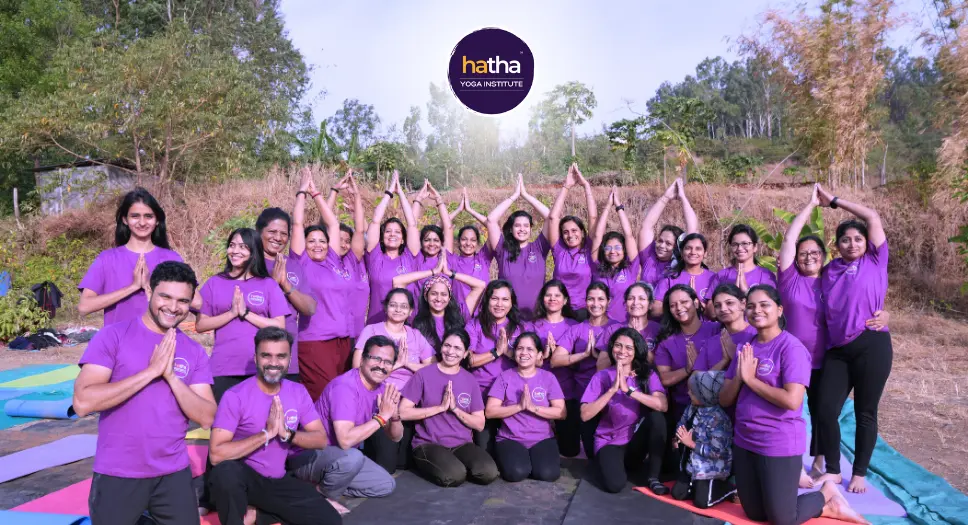
This is where an institute with deep roots in traditional practice makes a real difference. The Hatha Yoga Institute is known for blending authentic, classical yoga teachings with structured, modern training methodologies that align with both Yoga Alliance and YCB standards. For students who want a training experience that respects yoga’s traditional foundations while preparing them for a genuine professional career, institutes like this offer a grounded, well-rounded path forward. If you are exploring where to begin your certification journey, it is worth looking into programs that combine authenticity with recognized international and national accreditation.
Final Thoughts
Becoming a certified yoga teacher is a meaningful commitment, one that blends personal growth with professional discipline. Both Yoga Alliance and YCB offer valuable, respected pathways into the profession, each with its own strengths depending on where and how you want to teach. Yoga Alliance offers global recognition and flexibility, while YCB offers government-backed authenticity rooted in yoga’s Indian origins.
Rather than viewing these two systems as competitors, think of them as complementary tools that, together, can shape you into a well-rounded, credible, and confident yoga teacher. Take the time to research training institutes carefully, understand the certification levels available to you, and choose a path that aligns with both your personal practice and your long-term career vision. With the right yoga certification, dedication, and training, you will be well on your way to sharing this ancient practice with the world in an authentic and professional way.