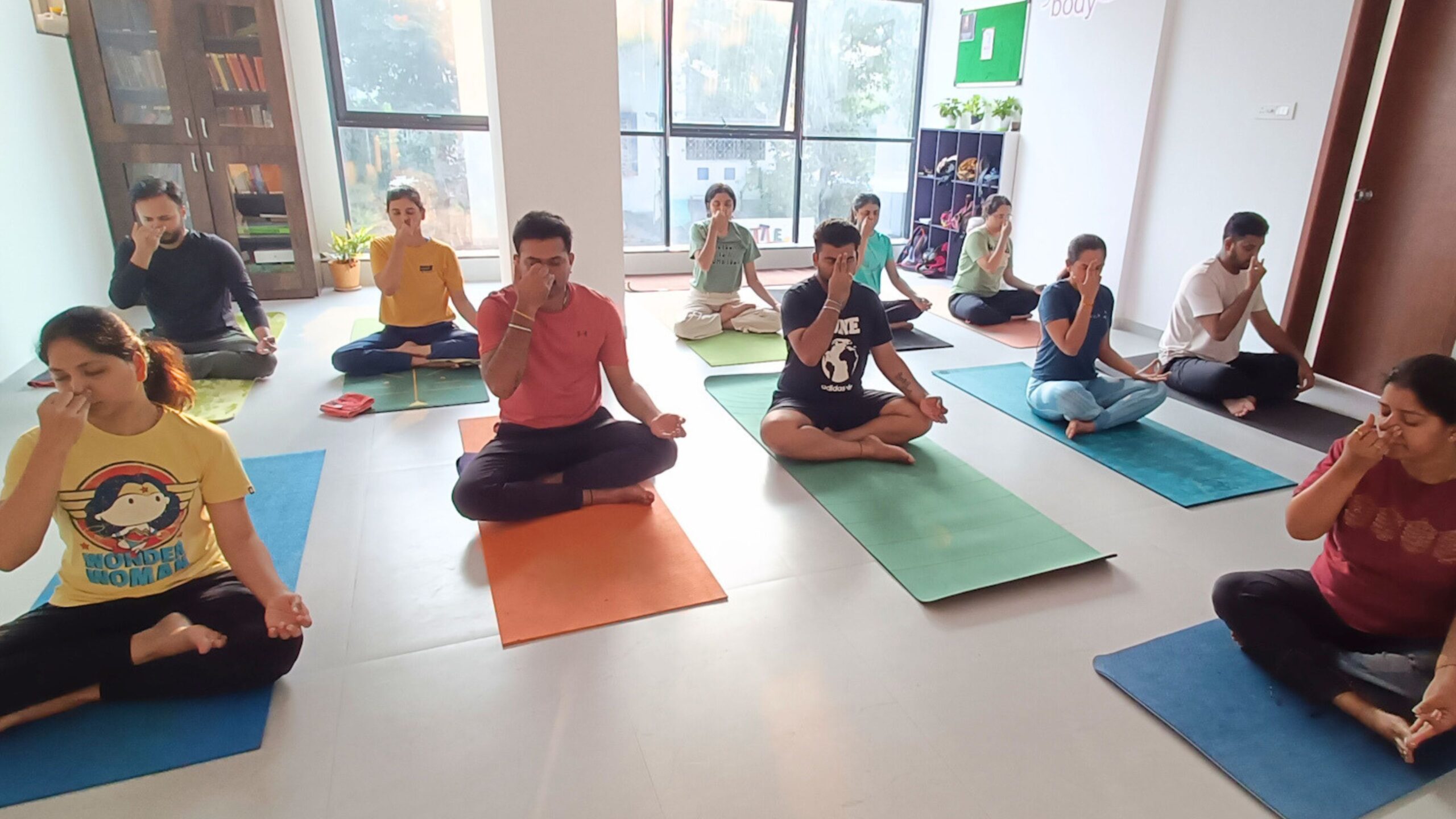
Stepping onto the mat as a teacher for the very first time is one of the most exciting and nerve wracking moments in any wellness career. You have spent hours training, practicing, and preparing, and now the moment has finally arrived. Whether you completed your certification last month or have been dreaming about this for years, walking into your first yoga class as the person leading it, not just attending it, changes everything.
Every experienced yoga instructor remembers their first session. The shaky voice, the forgotten sequence, the sudden realization that teaching is a completely different skill from practicing. This blog breaks down everything a new yoga teacher should know before stepping in front of students, from mindset and preparation to practical classroom management, so that your debut class feels confident, grounded, and genuinely helpful to the people who show up to learn from you.
Understanding What It Really Means to Be a Yoga Teacher
Many new instructors assume that being good at yoga automatically makes someone a good teacher. In reality, teaching is a separate craft. A skilled yoga teacher needs to combine technical knowledge, communication skills, empathy, and the ability to read a room full of different bodies and abilities all at once.
Your students will not care how deep your own backbend is. They will care whether you notice when they are struggling, whether your instructions are clear, and whether they leave the room feeling better than when they walked in. Shifting your mindset from “practitioner” to “guide” is the single most important internal step before your first class.
Essential Things Every Yoga Instructor Should Prepare Before Day One

Below are the core areas of preparation that make the biggest difference for someone about to lead their first yoga class.
1. Master Your Own Practice First
Before you can guide others, your own foundation needs to be solid. This does not mean you need to be flexible enough to do advanced arm balances, but you should be deeply familiar with alignment principles, breathing techniques, and modifications for common postures.
- Practice the exact sequence you plan to teach, out loud, at least three times before class
- Record yourself cueing a pose and listen back for clarity and pacing
- Identify which postures you personally find challenging to explain, and research better cues
2. Understand the Different Styles and Choose Yours
Yoga is not one single practice. Hatha, Vinyasa, Ashtanga, Yin, Restorative, and Kundalini all have different pacing, philosophy, and physical demands. A new yoga teacher should have real clarity on which style they are certified to teach and comfortable delivering.
Many instructors find that gentle, alignment focused styles like Hatha are the most forgiving place to begin teaching, since the slower pace allows more room to think, adjust, and connect with students without the pressure of fast transitions.
3. Plan and Rehearse Your Sequence
Never walk into a yoga class, even a beginner one, without a written sequence. New teachers often underestimate how disorienting it feels to stand in front of a room and suddenly forget what comes next.
- Write out your full sequence including warm up, peak poses, and cool down
- Time each section so your class fits within the scheduled slot
- Prepare at least two backup poses in case the room needs something simpler or the class runs short
- Keep a laminated cheat sheet nearby during your first few sessions, it is completely normal
4. Know Basic Anatomy and Safety Principles
Understanding how joints move, which populations need modifications, and how to recognize signs of strain is non negotiable. A responsible yoga instructor always prioritizes safety over impressing students with advanced postures.
Familiarize yourself with common contraindications, such as avoiding deep twists for pregnant students or modifying inversions for anyone with neck issues or high blood pressure. This knowledge should come directly from your yoga courses, but it is worth reviewing again right before your first class.
5. Develop Clear, Confident Verbal Cueing
Cueing is arguably the hardest skill to build as a new teacher. It takes time to describe a physical action clearly without students needing to open their eyes and look at you.
- Use directional language such as “reach the right hand toward the sky” instead of vague phrases
- Cue breath before movement, since breath guides the transition
- Avoid filler words like “just” or “kind of,” which can undercut your authority
- Practice offering both a verbal cue and, when appropriate, a gentle physical adjustment
6. Set Up the Room With Intention
The physical environment shapes how students experience the class before you even say a word. Arrive early enough to check lighting, temperature, mat spacing, and music volume.
- Arrange mats so you have a clear line of sight to every student
- Test your music or sound system beforehand to avoid awkward silence
- Dim harsh overhead lights if possible, and keep props like blocks and straps visible and accessible
7. Manage Nerves Like a Professional
Nervousness before your first yoga class is universal, even among instructors who have been practicing for a decade. What separates a confident teacher from an anxious one is not the absence of nerves, but how well they are managed.
Try arriving early enough to sit quietly in the space, breathe, and mentally walk through your sequence. Remind yourself that students are not there to judge your performance, they are there because they want to feel better, and your job is simply to guide that experience.
8. Build Rapport Before the Class Begins
Students respond far better to a yoga instructor who feels approachable. Arrive early and greet people as they walk in, ask if anyone is dealing with an injury, and introduce yourself with warmth rather than formality.
This small window before class starts often determines how safe and comfortable students feel following your instructions for the next hour.
9. Learn to Read the Room in Real Time
No sequence survives first contact with a real class perfectly intact. Some days your students will need a gentler pace, other days they will want more challenge. A strong yoga teacher stays flexible and adjusts based on visible cues like heavy breathing, confused expressions, or restlessness.
- Watch for students who consistently modify poses, and check in quietly during a pause
- If energy feels low, shorten transitions and simplify cueing
- If the room seems ready for more, offer optional variations rather than forcing intensity
10. Keep Time Without Watching the Clock Obsessively
Time management is a skill that improves with repetition, but new teachers can prepare by mentally dividing class into blocks, such as ten minutes for warm up, thirty minutes for the main sequence, and ten minutes for cool down and relaxation.
Place a small clock or timer somewhere visible but discreet, so you are not constantly glancing at your phone, which can feel disruptive to students.
11. End With Intention
The way a class closes often leaves the strongest impression. A rushed savasana or an abrupt ending can undo the calm you spent an hour building. Give students at least five minutes of quiet stillness at the end, and close with a simple, sincere phrase rather than a rehearsed script that feels disconnected from the room.
Common Mistakes First Time Yoga Instructors Should Avoid

Even well prepared teachers stumble in predictable ways during their debut sessions. Being aware of these patterns ahead of time can help you sidestep them.
- Talking too much and filling every silence, when students often need quiet moments to settle into a pose
- Over demonstrating instead of trusting verbal cues, which can leave a teacher too focused on their own body instead of the room
- Comparing themselves to more experienced teachers instead of developing their own authentic voice
- Ignoring beginners in the room and cueing only for advanced practitioners
- Forgetting to check in about injuries or limitations before class begins
Building Long Term Confidence as a Yoga Teacher
Confidence is not something you arrive with, it is something built one class at a time. Many instructors report that their first ten classes feel shaky, and that things start to click somewhere around the twentieth or thirtieth session. This is completely normal and does not reflect a lack of talent or preparation.
Some practical ways to accelerate that growth include:
- Asking a trusted friend or fellow teacher to sit in on an early class and give honest feedback
- Journaling after every session about what worked and what felt awkward
- Teaching friends or family in a low pressure setting before your official debut
- Reviewing recordings of your own cueing to catch filler words or unclear language
- Continuing to attend other teachers’ classes as a student, to keep learning fresh perspectives
Why the Right Yoga Courses Make All the Difference

The quality of your foundational training shapes almost everything discussed above. Strong yoga courses do more than teach postures, they build teaching methodology, anatomy knowledge, hands on adjustment practice, and real classroom experience through supervised practicum sessions.
If you are still in the process of choosing where to train, or considering advanced training to deepen your teaching, look for programs that offer mentorship, small class sizes, and genuine practice teaching opportunities rather than programs focused purely on certificate completion.
This is exactly where Hatha Yoga Institute stands out. Known for its structured, alignment focused curriculum, Hatha Yoga Institute offers comprehensive yoga courses designed specifically to prepare new teachers for real classroom situations, not just theoretical knowledge. Their programs combine traditional Hatha philosophy with modern teaching methodology, anatomy training, and supervised practice sessions, giving every graduate the confidence and skill set needed to lead their very first class successfully. For anyone serious about becoming a well rounded yoga instructor, Hatha Yoga Institute is worth researching as part of your training journey.s
Practical Essentials to Pack for Your First Class
Beyond mindset and sequencing, there are a handful of physical items that make life much easier for a first time yoga instructor. Forgetting even one of these on a busy morning can throw off your entire routine, so it helps to build a simple checklist you can run through the night before.
- A backup copy of your sequence, printed or saved offline in case your phone dies
- Your own mat, a block, and a strap, even if the studio provides props, so you know exactly how they feel
- A water bottle and a light layer, since studio temperatures vary widely
- A watch or small timer that does not rely on your phone screen
- Contact information for the studio manager in case you arrive and something is locked or unprepared
- A short bio or introduction written out in advance, so you are not fumbling for words when introducing yourself to a new group
Having these basics sorted removes small sources of stress that can otherwise distract you right before you need to be fully present for your students.
Understanding the Business Side of Teaching

Many new instructors focus entirely on the physical and instructional side of teaching and forget that leading a yoga class is also, in many settings, a small business relationship. Whether you are employed by a studio or working as an independent contractor, a few administrative details are worth sorting out early.
- Clarify payment structure, cancellation policies, and liability insurance requirements with the studio before your first session
- Understand whether you are responsible for tracking attendance or handling waivers
- Ask about the studio’s policy on substitute teaching if you are ever unable to make a scheduled class
- Keep a simple record of every class you teach, including headcount and feedback, since this becomes useful when applying for future teaching opportunities or advanced yoga courses
Treating your teaching practice with this level of professionalism, even in your very first weeks, sets a strong foundation for a sustainable long term career.
Self Care for New Yoga Teachers
It is easy for a new yoga teacher to pour so much energy into preparing for students that their own practice quietly falls away. Ironically, this is the moment your personal practice matters most, since it is where you process nerves, refine your own understanding of postures, and prevent burnout.
- Schedule at least one class per week where you are purely a student, not a teacher
- Notice if teaching starts to feel like a performance rather than a service, and revisit why you wanted to teach in the first place
- Rest when your body asks for it, teaching can be physically demanding even without doing every pose yourself
- Stay connected with other instructors, whether from your training cohort or local studio community, since shared experience makes early challenges feel far less isolating
A sustainable teaching career is built on the same principles you teach your students: balance, patience, and consistency over time.
Frequently Asked Questions

1. How long does it usually take to feel confident as a yoga teacher?
Most new instructors report a noticeable shift in confidence somewhere between their fifteenth and thirtieth class, though this varies depending on how frequently they teach and how much feedback they actively seek out.
2. Do I need advanced yoga courses before teaching my first class?
A recognized foundational certification is generally sufficient to begin teaching beginner level classes. Advanced training becomes more valuable once you want to specialize in areas like prenatal yoga, therapeutic yoga, or advanced asana instruction.
3. What if I forget my sequence mid class?
Pause, breathe, and transition into a simple pose you know well while you mentally regroup. Students rarely notice small pauses, and a calm recovery often looks more professional than a flawless but robotic delivery.
Final Thoughts
Your first yoga class will not be perfect, and that is completely okay. Every experienced yoga teacher you admire once stood exactly where you are now, nervous, slightly underprepared, and unsure if they were ready. What matters most is showing up with genuine care for your students, a solid foundation from your training, and a willingness to keep learning after that first class ends.
Preparation, self awareness, and continued education through quality yoga courses will carry you much further than perfection ever could. Walk into your first class knowing that growth happens through practice, both on the mat and in the front of the room, and trust that the confidence you are looking for will build naturally with every session you teach.