Walk into any store or scroll through any online marketplace and you will find hundreds of options promising better grip, better comfort and better balance. It is easy to feel overwhelmed. Some people grab the first colorful mat they see, while others spend weeks comparing specifications and still feel unsure. The truth is that the right yoga mat is not about hype or trends. It is about how well the surface supports your body, your style of practice and your daily routine.
A mat is the one piece of equipment nearly every practitioner uses, whether they are holding a gentle stretch or flowing through a fast sequence. A poor choice can cause slipping hands, sore knees, wrist strain and even a loss of motivation. A good choice quietly fades into the background and lets you focus on your breath and alignment. This guide walks you through everything worth knowing, from materials and thickness to portability and price, so you can pick a mat with confidence.
Why Your Mat Matters More Than You Think
Many beginners assume any flat surface will do. In reality, your mat does several important jobs at once.
- It provides traction. A stable surface keeps your hands and feet from sliding in poses like Downward Dog or Warrior II.
- It cushions your joints. Knees, wrists, elbows and the spine all benefit from the right amount of padding.
- It defines your space. Rolling out a mat creates a personal zone, which helps the mind settle into practice.
- It insulates you from the floor. A mat blocks cold tiles and hard surfaces during long holds and relaxation.
- It supports consistency. When your equipment feels good, you are more likely to show up again tomorrow.
Think of your mat as a foundation. Just as a house needs solid ground, your poses need a dependable base. If the foundation shifts, everything built on top of it becomes harder.
Start With Your Practice Style
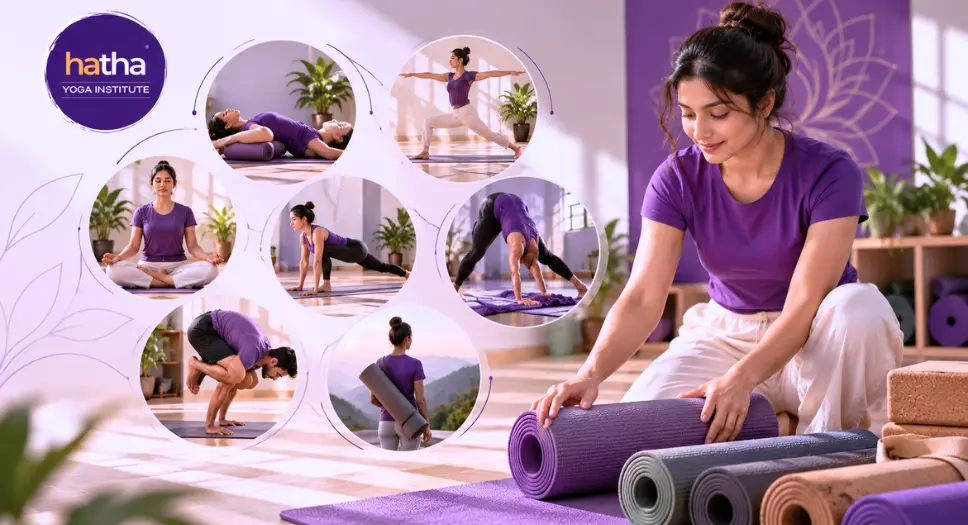
Before comparing brands or prices, ask yourself how you actually practice. The best yoga mat for a slow, restorative session is very different from what a sweaty power class demands.
- Gentle or restorative yoga: You will want extra cushioning and a soft feel, since you spend long periods lying or sitting.
- Hatha yoga: A balanced mat with moderate thickness and reliable grip works well for holding poses with steady breathing.
- Vinyasa or flow: Look for strong grip and moderate thickness so you can move quickly without sliding.
- Hot yoga: Choose a mat with excellent moisture management, or plan to use a towel on top.
- Ashtanga or power yoga: Durability and grip matter most, because the practice is athletic and repetitive.
- Travel and outdoor practice: Lightweight and compact designs should be your priority.
Once you know your style, the rest of the decision becomes much simpler.
Understanding Mat Materials
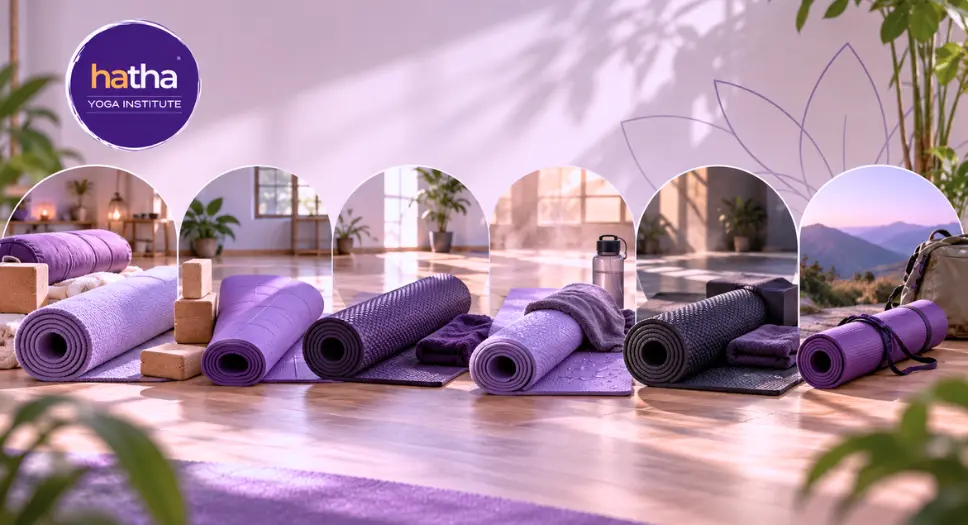
Material is the single biggest factor in how a mat feels, performs and lasts. Here is a plain look at the most common options.
PVC (Polyvinyl Chloride)
PVC has been the standard for decades. It is affordable, durable and widely available. It offers good cushioning and holds up well to regular use. The downsides are that it is not biodegradable and can feel slippery when wet. Some people also dislike the plastic smell that new PVC mats can have.
- Budget friendly
- Long lasting
- Easy to wipe clean
- Less eco friendly
TPE (Thermoplastic Elastomer)
TPE is a newer material that blends the qualities of rubber and plastic. It is lighter than PVC, free from certain harsh chemicals and often recyclable. It feels soft underfoot and is a popular pick for beginners who want comfort without a heavy mat.
- Lightweight and soft
- More environmentally considerate than PVC
- Good for moderate practice
- May wear faster than rubber under heavy use
Natural Rubber
Natural rubber delivers outstanding grip and a dense, supportive feel. It is a favorite among dedicated practitioners who want stability in standing balances and inversions. It is heavier than other options and can have a noticeable rubber scent. People with latex allergies should avoid it.
- Excellent traction
- Eco friendly and biodegradable
- Heavier to carry
- Not suitable for latex sensitivity
Cork
Cork has a natural antimicrobial quality and becomes grippier as you sweat. It looks beautiful and feels smooth. Cork is often paired with a rubber or TPE base for cushioning. It is a smart choice for people who practice in warm conditions.
- Grip improves with moisture
- Naturally resistant to bacteria
- Stylish and sustainable
- Usually a bit pricier
Jute and Cotton
These natural fiber mats are woven and feel earthy and breathable. They are often used for meditation and gentle practice. They offer less cushioning and grip, so they suit slower styles better than dynamic ones.
- Breathable and natural
- Best for gentle sessions
- Not ideal for high sweat or fast movement
Polyurethane (PU)
PU mats usually sit on top of a natural rubber base. The surface absorbs moisture and delivers superb grip, even when hands are slippery. They are premium products and need careful cleaning, but many serious practitioners swear by them.
- Top tier grip
- Excellent for sweaty practice
- Higher price and more maintenance
Thickness: Finding Your Comfort Zone
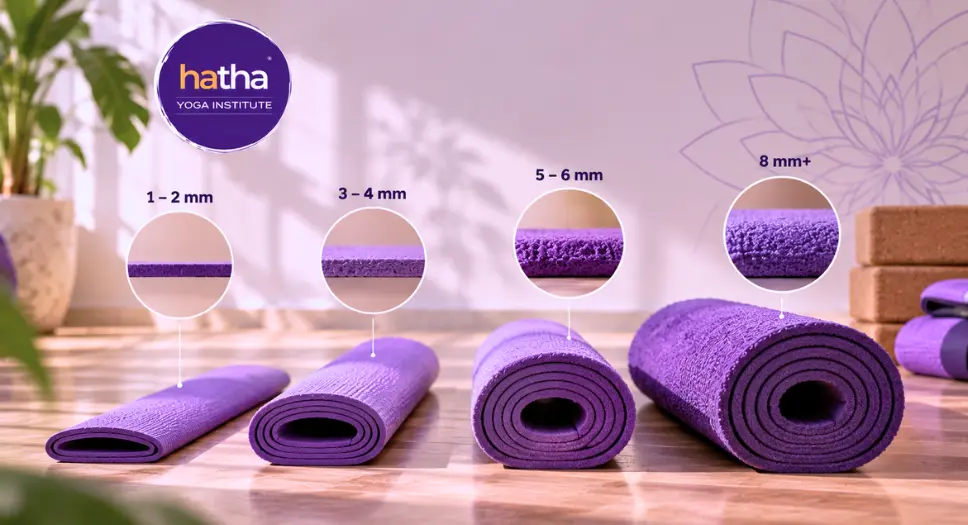
Thickness is measured in millimeters, and it changes both comfort and stability.
- 1 to 2 mm (travel thin): Ultra light and easy to pack, but offers very little cushioning. Best used as a travel option or laid over a carpet.
- 3 to 4 mm (standard): A reliable middle ground. You get decent cushioning while still feeling connected to the floor. Ideal for most people and most styles.
- 5 to 6 mm (comfort): Extra padding for sensitive knees and wrists. Great for restorative and gentle practice, though balance poses can feel slightly wobbly.
- 8 mm and above (extra thick): Very plush, but it can reduce stability and feels bulky to carry. Best for people who need serious joint protection.
A helpful rule is this: the thicker the mat, the more comfortable it is when kneeling, and the less stable it is when standing on one leg. If you do a mix of both, a 4 to 5 mm mat is usually the sweet spot.
Size and Length
Standard mats measure roughly 68 inches long and 24 inches wide. That works for many people, but not everyone.
- If you are tall: Look for a mat of 72 to 84 inches so your hands and feet stay on the surface during a full stretch.
- If you like more room: A wider mat, around 28 to 30 inches, gives you space to move without stepping off the edge.
- If you travel often: A shorter mat can save weight, but make sure it still supports your full body in savasana.
Try lying down on the mat if you can. Your head and heels should both rest comfortably on the surface.
Grip and Texture: The Safety Factor
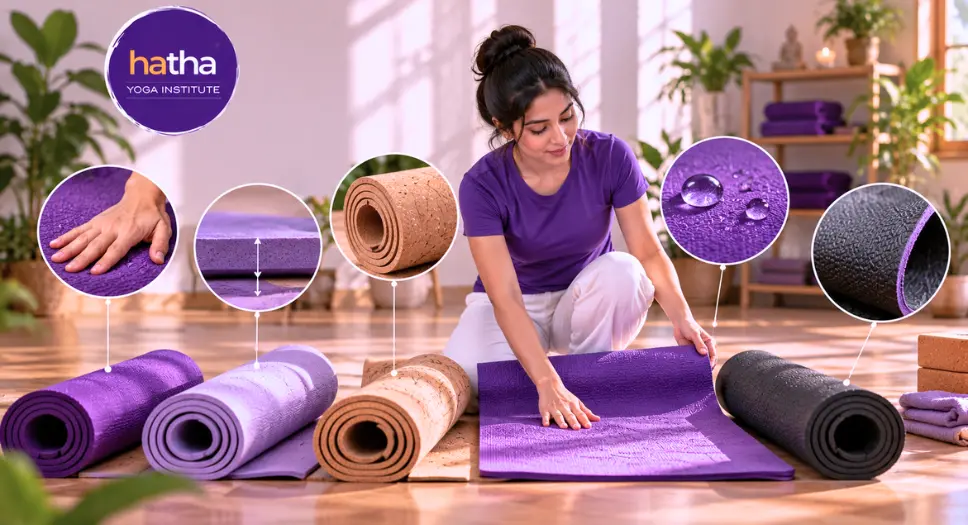
Grip is not just about comfort. It protects you from falls and strain. When your hands slide forward in Downward Dog, your shoulders and wrists absorb the extra stress.
Here is what to look for.
- Surface texture: A light pattern or raised grain gives your skin something to hold onto.
- Wet and dry performance: Some mats are grippy when dry but slippery once you sweat. Check reviews from people with a similar practice.
- Bottom grip: The underside should hold the floor firmly so the mat never slides on wood or tile.
- Break in period: Some new mats feel slick at first and improve after a few sessions. Wiping with a damp cloth can speed this up.
If you sweat a lot, consider a towel designed for yoga or a mat with a moisture absorbing top layer.
The Case for a Foldable Yoga Mat
Not everyone has a dedicated practice room or a big car trunk. That is where a foldable yoga mat becomes genuinely useful. Instead of rolling into a long tube, it folds into a flat, compact rectangle that slips into a backpack, suitcase or office drawer.
Who Benefits Most
- Frequent travelers who want to keep practicing in hotel rooms
- Office workers who like a quick stretch break or a lunchtime session
- Small home dwellers who need to store equipment in a cupboard
- Outdoor practitioners who carry gear to parks or beaches
- Beginners who want an affordable, low commitment starting point
Pros of a Foldable Design
- Extremely portable and easy to store
- Often lighter than a full sized standard mat
- Convenient for commuting or flying
- Usually stays flat instead of curling at the edges
Things to Watch For
- Crease lines: Fold marks can create slight ridges that you may feel during poses. Better designs use flexible material that flattens quickly.
- Thickness: Many foldable options are thinner, so check that cushioning suits your joints.
- Durability: Repeated folding in the same place can wear the material over time.
- Grip on the fold: Make sure the creased area does not become slippery or peel.
If you are shopping for a foldable yoga mat, look for high quality TPE or a well made rubber blend that recovers its shape after folding. Test it by unfolding and placing it on the floor for a few minutes. A good one lies flat without fuss.
A foldable yoga mat will not replace a premium studio mat for intense daily practice, but as a second mat for travel or work, it is an excellent investment.
Understanding Yoga Mat Cost
Prices vary widely, and it helps to know what you are paying for. The typical yoga mat cost depends on material, brand, thickness, craftsmanship and extra features.
Rough Price Tiers
- Budget range: Basic PVC or thin TPE mats sit at the lower end. They are perfect for beginners who are still figuring out whether yoga will become a habit.
- Mid range: Better TPE, thicker cushioning, textured surfaces and improved durability appear here. This is where most practitioners find the best balance of value and performance.
- Premium range: Natural rubber, cork blends and PU topped mats sit at the top. You pay for superior grip, longevity and often sustainable production.
What Drives the Price Up
- Natural and eco friendly materials
- Advanced grip technology
- Larger sizes and extra thickness
- Alignment markings printed on the surface
- Brand reputation and warranty coverage
- Carrying straps, bags and other accessories
Is a Higher Price Always Better?
Not necessarily. A costly mat that does not suit your style will disappoint you, while a modest mat that fits your needs can serve you well for years. The smartest way to think about yoga mat cost is cost per use. A mat you use four times a week for three years is far cheaper per session than a bargain mat you replace every few months.
Smart Ways to Save
- Buy a mid range mat rather than upgrading repeatedly
- Watch for seasonal sales and festive offers
- Skip accessories you do not need yet
- Read verified reviews before purchasing
- Check the return policy so you can swap if the feel is wrong
Remember that a fair yoga mat cost should reflect durability and comfort, not just packaging.
How to Choose the Best Yoga Mat for You
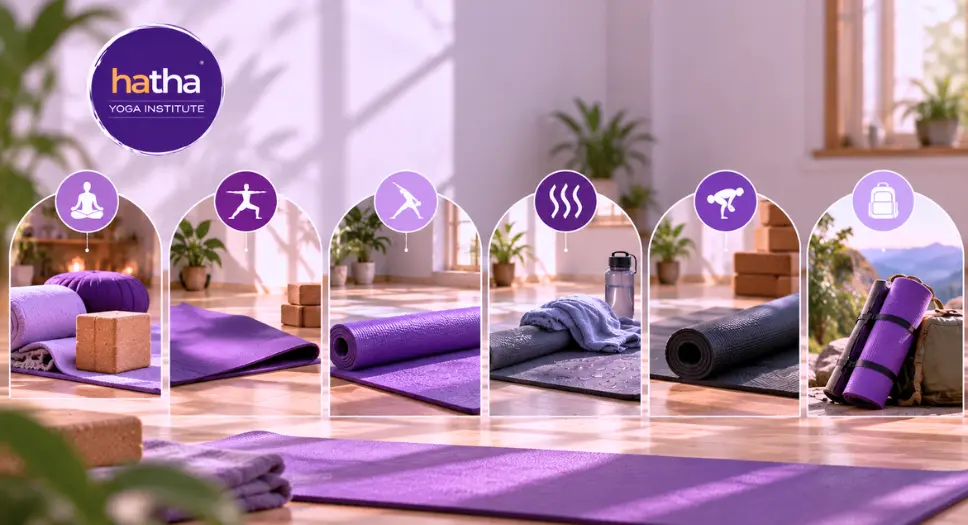
There is no single winner for everyone, so the best yoga mat is really the one that fits your body and your habits. Use this step by step approach to narrow things down.
- Define your practice. Gentle, flowing or intense? This sets your grip and thickness needs.
- Set a budget. Decide on a range before browsing so you do not get distracted by premium extras.
- Pick a material. Match it to your priorities, whether that is eco friendliness, grip or affordability.
- Choose thickness. Consider your joints and the balance poses you love.
- Check size. Make sure your height fits the length.
- Think about portability. If you move around a lot, weigh the benefits of a foldable design.
- Test if possible. Touch it, stand on it and roll it out in the store.
- Read reviews. Look for feedback from people with a similar routine.
Quick Recommendations by Need
- Best yoga mat for beginners: A 4 to 5 mm TPE or PVC mat with a textured surface. It is affordable and forgiving.
- Best yoga mat for sweaty practice: A PU topped or cork mat with a natural rubber base.
- Best yoga mat for sensitive joints: A thick 6 mm mat, ideally with dense foam that does not compress too much.
- Best yoga mat for travel: A thin, lightweight, foldable design that packs flat.
- Best yoga mat for eco conscious buyers: Natural rubber, cork or jute based options.
- Best yoga mat for tall people: An extra long, extra wide natural rubber mat.
Caring for Your Mat
A little maintenance keeps your mat performing and hygienic for far longer.
- Wipe it down after each session with a soft cloth and a gentle cleaner made for mats, or a mix of water and mild soap.
- Avoid harsh chemicals. Strong sprays can break down the surface and reduce grip.
- Air dry it fully. Never roll or fold a damp mat, since moisture invites odor and mold.
- Keep it out of direct sun. Long exposure can dry out and crack rubber or foam.
- Store it properly. Roll loosely or fold as designed, and keep it in a cool, dry place.
- Wash your hands and feet. Clean skin means less oil and dirt on the surface.
Most mats last one to five years depending on material and frequency of use. If yours has become slippery, thin or crumbly, it is time to replace it.
Common Mistakes to Avoid
Even thoughtful buyers slip up. Steer clear of these frequent errors.
- Choosing by color alone. Pretty designs are lovely, but performance comes first.
- Buying the thickest option automatically. Extra padding can make balance harder.
- Ignoring your climate. A mat that grips in an air conditioned studio may struggle in humid weather.
- Overlooking allergies. Latex and certain fragrances can trigger reactions.
- Skipping the size check. A mat that is too short creates awkward positioning.
- Buying the cheapest mat available. Very low quality options can fall apart quickly and cost more in the long run.
- Forgetting about storage. Think about where your mat will live when not in use.
Signs Your Current Mat Needs Replacing
Sometimes the answer is not to keep going with what you have. Watch for these signals.
- You slip even when your hands are dry
- Flaking or peeling appears on the surface
- Permanent dents or thin patches form where your knees and hands land
- A persistent smell remains after cleaning
- Your wrists, knees or back feel sore after practice
Your body often tells you before your eyes do.
Building a Practice Beyond the Mat
A good mat is a wonderful start, but it is only one part of a fulfilling practice. Proper guidance helps you use that mat safely and effectively. If you are looking for structured, beginner friendly instruction, the Hatha Yoga Institute is a great place to explore. Their programs focus on the fundamentals of alignment, breathwork and mindful movement, which suits people at every level who want to build a steady, sustainable routine. Whether you are just starting out or hoping to deepen your understanding, learning from experienced teachers can turn a simple mat into a real doorway to wellbeing.
Consider trying a class or program at the Hatha Yoga Institute once you have your equipment ready. Bringing a mat that fits you well into a supportive learning environment can make your progress smoother and far more enjoyable.
Frequently Asked Questions
1. How thick should my mat be if I have knee problems?
A thickness of 5 to 6 mm usually offers good relief. You can also fold a small blanket under your knees for extra support without losing stability everywhere else.
2. Can I use a towel on top of my mat?
Yes. Yoga towels are especially useful for hot or sweaty sessions, since they absorb moisture and add grip.
3. How often should I clean my mat?
A quick wipe after every session is ideal, with a deeper clean once a week or once every two weeks depending on how often you practice.
4. Is a foldable option good enough for daily practice?
It can be, provided the material is high quality and the thickness suits you. Many people use one as a travel companion and keep a standard mat at home.
5. Do I need alignment lines?
They are not essential, but beginners often find them helpful for placing hands and feet consistently.
Final Thoughts
Choosing a mat does not need to be stressful. Begin with your practice style, decide what matters most between grip, comfort, portability and budget, and then match those priorities to a material and thickness that make sense for your body. Whether you settle on a sturdy rubber option, a flexible foldable yoga mat for life on the move, or a mid range pick that balances price and performance, the goal is the same: a surface that supports you so you can support your practice.
Take your time, test what you can, and remember that the best yoga mat is the one you actually look forward to rolling out. Pair that with steady learning, a little patience and guidance from a trusted school such as the Hatha Yoga Institute, and you will build a routine that feels good, keeps you safe and grows with you for years to come.