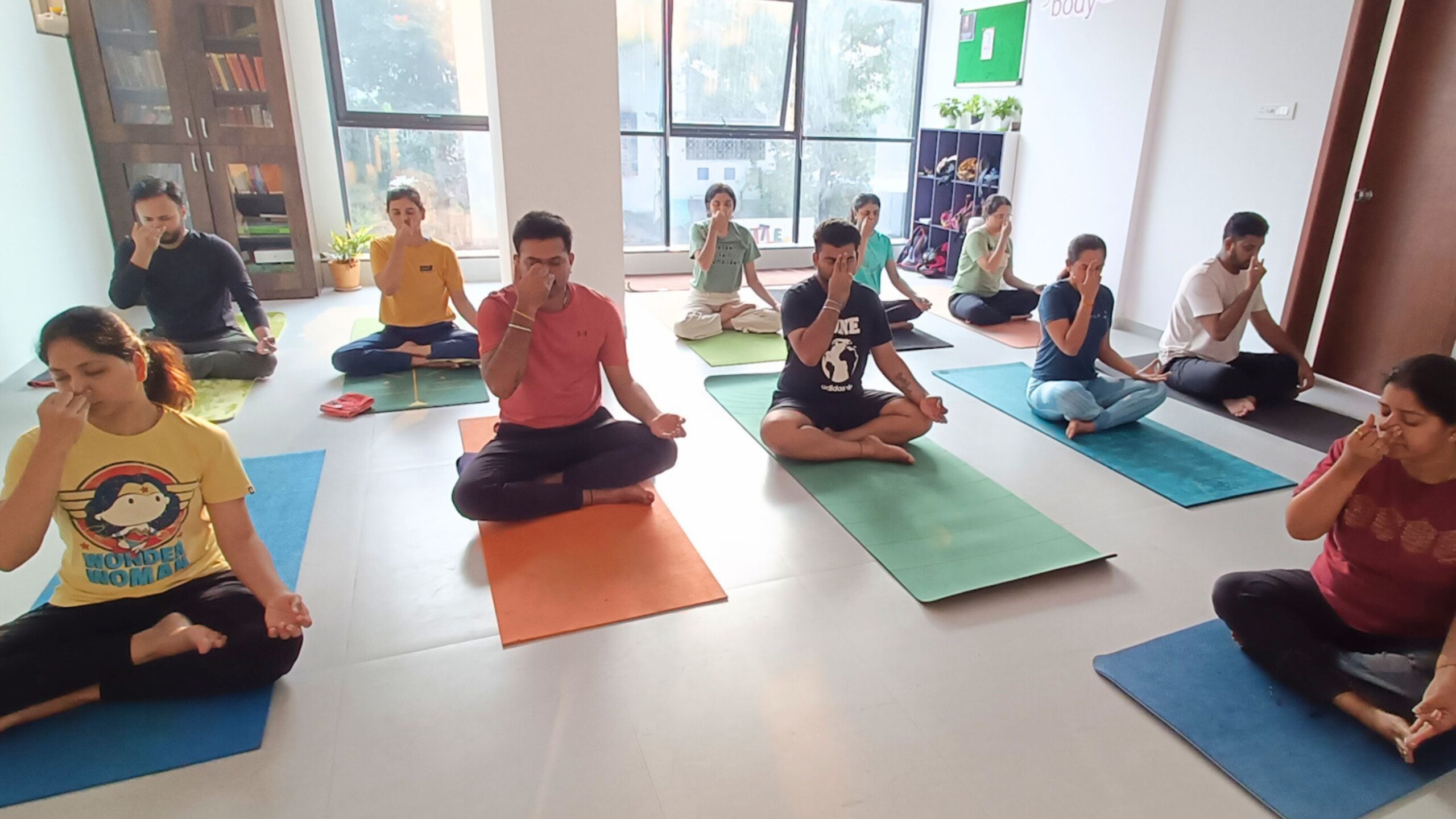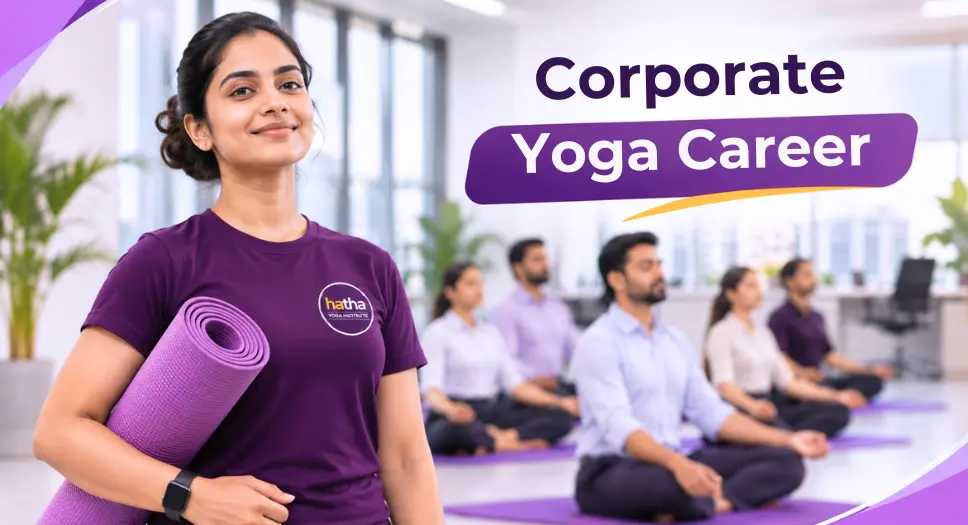
Indian workplaces are changing fast. Open-plan offices, long commutes, back-to-back video calls and tight deadlines have created a workforce that is tired, stressed and often in pain. Companies have noticed. HR teams are now actively looking for practical wellness programs that employees will actually enjoy, and yoga sits at the top of that list.
This shift has opened a rewarding career path for people who love yoga and enjoy working with professionals. If you have ever wondered how to turn your practice into a stable, respected career, this guide is for you. We will walk through what the role involves, the qualifications you need, the skills that set you apart, how to find clients, and what you can realistically earn.
By the end, you will have a clear, step-by-step roadmap to become a confident corporate yoga trainer in India.
Why Corporate Wellness Is Growing in India
Before you commit to a career, it helps to understand the demand behind it. Here is what is driving the growth of workplace wellness in the country:
- Rising stress and burnout: Long working hours and constant digital connectivity are pushing employees toward exhaustion.
- Lifestyle diseases: Back pain, neck strain, obesity, diabetes and hypertension are increasingly common among desk-based workers in their twenties and thirties.
- Retention and productivity: Employers know that a healthy, calm team performs better and stays longer.
- Government support for yoga: Since the introduction of International Day of Yoga, awareness of yoga has grown across every sector, including private companies.
- Hybrid work culture: Even remote and hybrid teams now request live online sessions, which widens the market beyond big cities.
Metros such as Bengaluru, Pune, Hyderabad, Mumbai, Delhi NCR and Chennai have the highest concentration of IT parks, startups and multinational offices. Tier 2 cities like Indore, Jaipur, Kochi and Ahmedabad are catching up quickly.
The result is simple. Demand for a skilled yoga trainer who understands the corporate environment is higher than it has ever been, and the supply of well-trained professionals is still limited.
What Does a Corporate Yoga Trainer Actually Do?
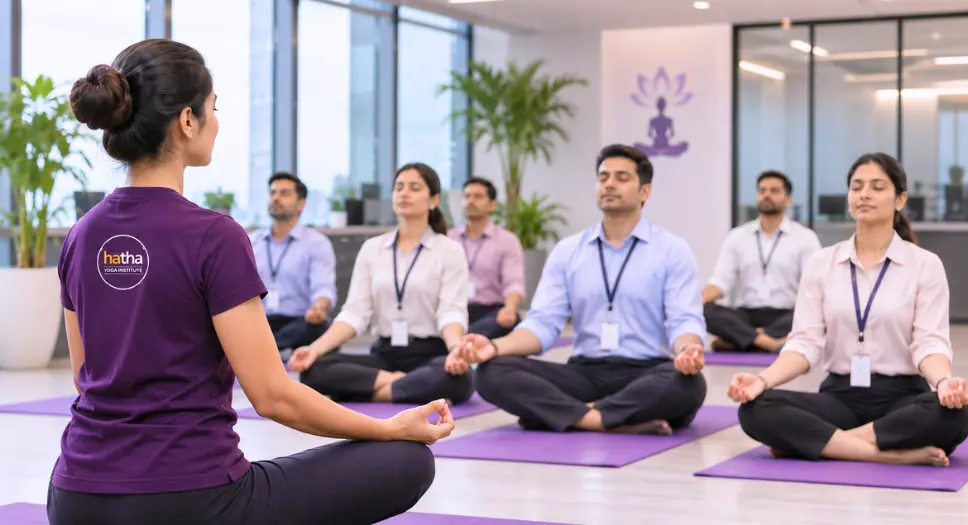
Teaching in a studio and teaching in an office are very different experiences. In a studio, students arrive in workout clothes, with mats and a willingness to spend an hour on the floor. In an office, your participants may be wearing formal shoes, sitting in a conference room, and watching the clock because a meeting starts in 30 minutes.
A yoga trainer in this field typically handles the following responsibilities:
- Designing short, effective sessions of 20 to 60 minutes that fit into a workday
- Teaching chair yoga, desk stretches, breathing techniques and brief meditation
- Running workshops on stress management, posture correction and sleep hygiene
- Conducting weekly or daily group classes, either on-site or online
- Adapting sessions for different groups, such as senior managers, new joiners, women employees or night-shift teams
- Collaborating with HR and wellness managers to align sessions with company goals
- Tracking participation and collecting feedback to show the value of the program
- Handling special events such as wellness weeks, International Day of Yoga celebrations and leadership retreats
In short, you are part teacher, part wellness consultant and part motivator. The best corporate yoga professionals make people feel better in the first ten minutes and keep them coming back every week.
Step 1: Build a Strong Personal Foundation
You cannot guide others to a calm mind if your own practice is inconsistent. Before enrolling in any course, spend time deepening your own understanding.
What to focus on:
- Practice daily for at least six months, even if only for 30 minutes
- Learn the basics of asanas, pranayama, relaxation and meditation
- Read foundational texts such as the Yoga Sutras of Patanjali and the Hatha Yoga Pradipika
- Attend classes with different teachers to see varied teaching styles
- Observe how your own body and mind respond to practice
This personal experience gives you authenticity. When you tell an employee that a simple breathing exercise can reduce anxiety before a presentation, you will be speaking from experience, not from a textbook.
Step 2: Complete a Recognised Certification
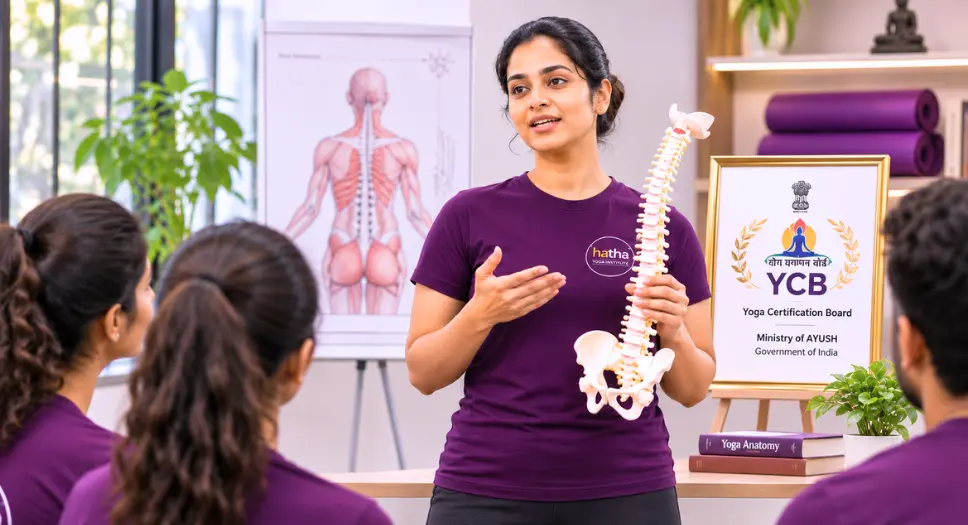
Formal education, especially yoga instructor training, is the backbone of your career. Corporate clients, especially larger companies, usually ask for proof of qualification before they sign a contract.
In India, a good yoga instructor training program should offer the following:
- A structured syllabus covering asana, pranayama, shatkarma, meditation, philosophy, anatomy and teaching methodology
- Experienced faculty with real teaching backgrounds
- Practical teaching practice, not only theory
- A certificate that is widely recognised, such as one aligned with the Yoga Certification Board (YCB) under the Ministry of AYUSH, or a 200-hour or 500-hour certification registered with Yoga Alliance
- Support for placement, internships or career guidance
Common certification levels in India
| Level | Typical Duration | Best For |
| Certificate course | 1 to 3 months | Beginners who want to start practising and learning |
| 200-hour teacher training | 3 to 4 weeks (full time) or 3 to 6 months (part time) | Aspiring professional teachers |
| 300-hour or 500-hour advanced training | 6 months to 1 year | Teachers who want advanced skills |
| Diploma or postgraduate diploma in yoga | 1 to 2 years | Those aiming for deeper academic knowledge |
| Therapy-oriented programs | Varies | Teachers who want to work with specific health conditions |
When you compare options, check the curriculum carefully. Ask about batch size, teaching hours, assessment methods and whether the program prepares you to teach working professionals. A course that includes modules on sequencing for beginners, injury prevention and class management will give you a real edge.
Choosing the right yoga instructor training is the single most important investment you will make in this career, so take your time and speak to former students before deciding.
Step 3: Learn Workplace-Specific Skills
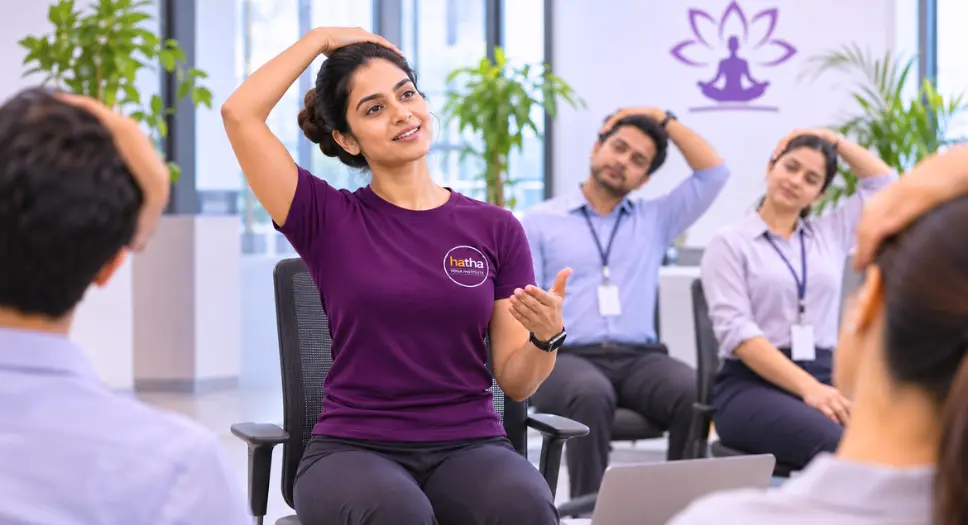
A general teaching certificate will make you a good teacher. Specialised skills will make you a good fit for companies. Here is what to add to your toolkit.
1. Chair and desk yoga
Most office sessions happen in a conference room or even at workstations. You must be able to teach effective movements while participants remain seated or standing beside their chairs.
Examples of useful practices:
- Seated neck rolls and shoulder shrugs
- Seated cat-cow for spine mobility
- Seated twists for digestion and lower back relief
- Wrist and finger stretches for people who type all day
- Standing forward fold using the desk or chair for support
- Eye exercises such as palming and focusing drills
2. Stress and breath management
Breathing practices are the most powerful tool you have in a corporate setting, because they take only a few minutes and need no space or equipment. Learn to teach:
- Diaphragmatic breathing
- Alternate nostril breathing (Nadi Shodhana)
- Bhramari (humming bee breath)
- Box breathing and extended exhale techniques
- Short guided relaxation for quick resets between meetings
3. Posture and ergonomics
Understand the common problems of desk workers, such as forward head posture, rounded shoulders, tight hip flexors and weak core muscles. Basic knowledge of ergonomics helps you give advice on monitor height, seating and screen breaks.
4. Communication and presentation
Employees are not always eager participants. Some will be sceptical, some shy, some distracted by their phones. You need a warm, confident speaking style, a sense of humour and the ability to explain the benefits in simple language.
5. Basic anatomy and safety
You will meet people with back problems, high blood pressure, pregnancy and old injuries. Know which movements to avoid and when to recommend that someone consult a doctor. Always keep sessions gentle and inclusive.
6. Digital teaching skills
Live online classes are now a regular part of the job. Learn to use video platforms confidently, set up good lighting and sound, and keep a virtual audience engaged.
Step 4: Design Your Signature Corporate Programs
Companies do not buy “a yoga class”. They buy a solution to a problem. When you build clearly named programs, it becomes much easier to pitch and price your services.
Here are a few program ideas to inspire you:
- Desk Detox (20 minutes): Quick stretches and breathwork to relieve tension during the workday
- Stress Reset Workshop (60 minutes): Breathing, mindfulness and simple relaxation techniques to manage pressure
- Posture Care Program (4 weeks): A weekly series focused on neck, back and shoulder health
- Leadership Calm (90 minutes): A session for managers on focus, decision-making and emotional balance
- Sleep and Recovery Session: Evening practices that help employees wind down
- Wellness Week Package: A mix of talks, demonstrations and practical sessions for company events
A sample 30-minute office session
A simple structure keeps your class smooth and predictable:
- Arrival and intention (2 minutes): Welcome the group and set the tone.
- Breath awareness (4 minutes): Guide everyone to slow, deep breathing.
- Warm-up (6 minutes): Gentle neck, shoulder and wrist movements.
- Main practice (10 minutes): Seated and standing postures for spine, hips and legs.
- Targeted relief (4 minutes): Focus on the day’s theme, such as back pain or eye strain.
- Relaxation and closing (4 minutes): Short guided rest and a calming breath.
Notice that nothing here requires a mat, special clothing or floor work. That is what makes it practical for working professionals.
Step 5: Gain Real Teaching Experience

Certificates open doors, but experience builds confidence and credibility. Begin teaching as early as you can, even before you feel fully ready.
Ways to build experience:
- Offer free or low-cost classes to friends, family and neighbours
- Volunteer at community centres, NGOs or residential societies
- Teach at local studios or assist senior teachers
- Run a trial session for a small company or a startup in your network
- Conduct free online sessions on social media to build your audience
- Join wellness events, fairs and yoga day programs
Keep a simple record of every session, including the number of participants and any feedback you receive. Written testimonials and short video clips from happy participants will become powerful proof when you approach larger companies.
Step 6: Create a Professional Brand
In the corporate world, presentation matters. HR managers and admin heads judge you before you teach a single class.
Your branding checklist:
- A clean, simple website with your services, photo, certifications and contact details
- A professional LinkedIn profile, because this is where corporate decision-makers spend their time
- A short, well-designed brochure or PDF proposal for companies
- A consistent presence on Instagram or YouTube with short tips for office workers
- A Google Business listing so local companies can find you
- Testimonials, case studies and a short introduction video
As a yoga trainer, position yourself with a clear message. For example, “I help busy professionals reduce stress and back pain with 20-minute yoga sessions at work” is far stronger than “I teach yoga”.
Step 7: Find and Win Corporate Clients
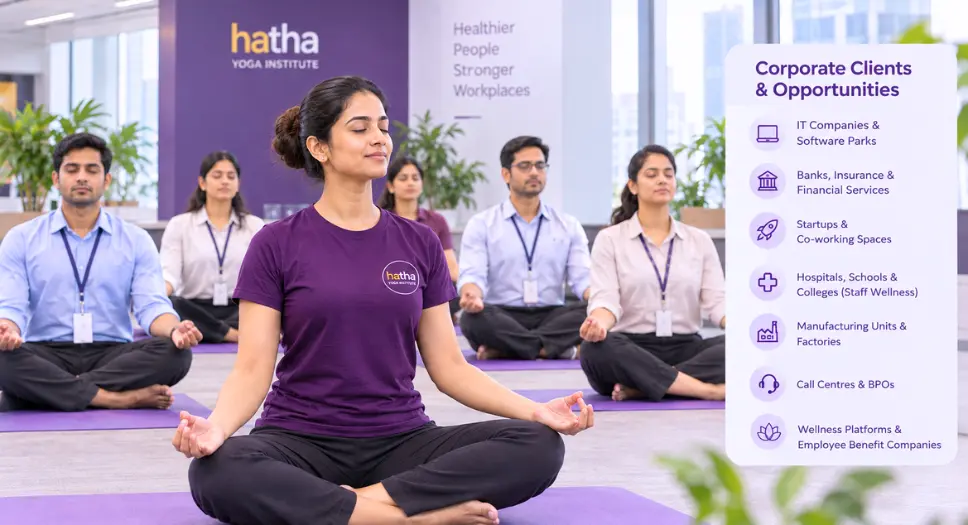
This is the part that worries most beginners, but it follows a simple process once you understand it.
Where to look for clients
- IT companies and software parks
- Banks, insurance firms and financial services companies
- Startups and co-working spaces
- Hospitals, schools and colleges (for staff wellness)
- Manufacturing units and factories
- Call centres and BPOs, where stress levels are high
- Wellness platforms and employee benefit companies that hire freelance teachers
How to approach them
- Identify the right person. This is usually the HR head, the people and culture manager, the admin manager or the wellness coordinator.
- Reach out professionally. Use LinkedIn messages, email or a warm introduction from a mutual contact.
- Offer a free demo. A 20 to 30 minute trial session lets decision-makers experience the benefit directly.
- Share a clear proposal. Include session formats, duration, number of participants, pricing and expected outcomes.
- Follow up politely. Many deals close after the second or third conversation.
- Ask for referrals. Satisfied HR managers often recommend you to peers in other companies.
Tips for pitching
- Talk about benefits such as reduced absenteeism, improved focus and better team morale, not only about postures.
- Be flexible with timings. Lunch breaks, early mornings and end-of-day slots are popular.
- Offer a pilot program of one month before asking for a long contract.
- Provide simple reports on attendance and feedback after each month.
Many firms offering corporate yoga also hire through wellness aggregator platforms and corporate wellness agencies. Registering with them can give you a steady flow of assignments while you build your own client base.
How Much Can You Earn?
Income depends on your city, experience, client type and the number of sessions you take. The figures below are only rough estimates, and actual rates vary widely.
| Work Type | Approximate Earning Range |
| Freelance session at a company | Rs. 1,000 to Rs. 5,000 per session |
| Monthly retainer with one company | Rs. 15,000 to Rs. 60,000 or more |
| Full-time wellness role in a company | Rs. 20,000 to Rs. 50,000 per month (varies by location) |
| One-time workshop or event | Rs. 5,000 to Rs. 25,000 or more |
| Online corporate classes | Rs. 800 to Rs. 4,000 per session |
Experienced professionals who serve multiple companies, run workshops and add online programs can build a strong full-time income. As you gain reputation, you can raise your fees, hire assistant teachers and even start your own wellness company.
Other income streams to consider
- Paid online courses for working professionals
- Weekend retreats for corporate teams
- Private one-to-one coaching for senior executives
- Partnerships with physiotherapists, nutritionists and counsellors
- Writing, speaking and social media collaborations
Common Challenges and How to Overcome Them

Every career has obstacles. Knowing them in advance helps you prepare.
- Low participation: Start with short, fun sessions and promote them with posters, emails and messages from HR. Participation usually grows once people see their colleagues benefiting.
- Limited space: Learn to teach standing and seated practices that need little room.
- Sceptical employees: Use simple language, avoid heavy spiritual terms at first, and focus on practical benefits like pain relief and focus.
- Irregular income at the start: Combine corporate assignments with studio classes or online teaching until you have steady retainers.
- Diverse beliefs and comfort levels: Keep sessions secular, inclusive and respectful so everyone feels welcome.
- Burnout of your own: Protect your own practice time. A tired teacher cannot inspire others.
Mistakes to Avoid
Many talented teachers struggle in the corporate space because of avoidable errors:
- Teaching a long studio-style class in a short office slot
- Using difficult postures that are unsuitable for formal clothing
- Ignoring injuries and health conditions among participants
- Overloading sessions with Sanskrit terms and complex philosophy
- Failing to arrive early and test the space, sound and timing
- Not following up with HR after a session
- Underpricing services out of fear of rejection
Remember that your goal is to make wellness simple, accessible and enjoyable for busy people.
Why Your Choice of Institute Matters
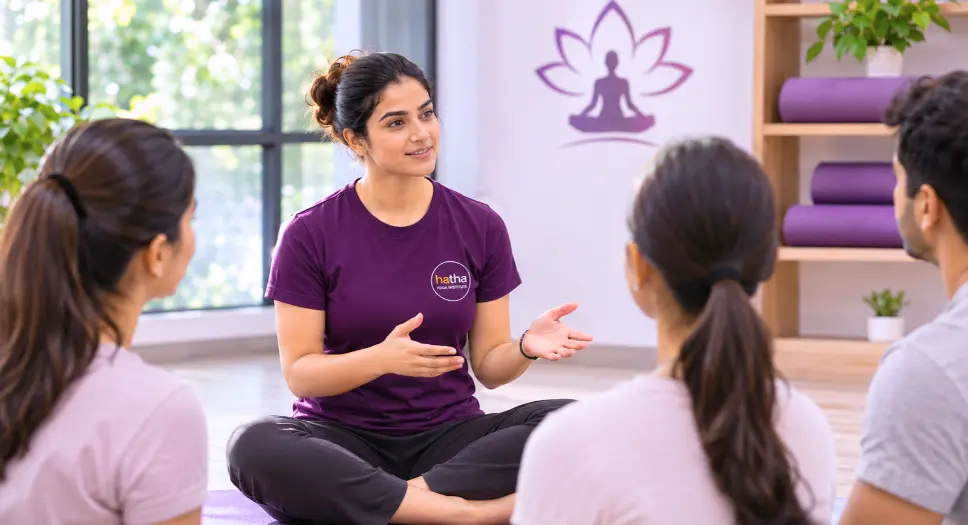
The quality of your training shapes everything that follows, from your confidence in front of a room full of executives to your ability to adapt a class on the spot. This is why many aspiring teachers choose a well-established institute with a strong focus on traditional methods and practical teaching.
Hatha Yoga Institute is one such option for learners who want a grounded, authentic education. Their programs focus on classical Hatha practices, including asana, pranayama, kriya, meditation and the philosophy behind them, while also teaching students how to guide real people safely and effectively. With experienced mentors, structured modules and a supportive learning environment, the institute helps students build both technical skill and teaching confidence.
If you are looking for a dependable starting point for your yoga instructor training journey, it is worth exploring their courses, speaking to the team about your career goals, and checking which program best matches your schedule and experience level.
Your 90-Day Action Plan
Here is a simple plan to move from idea to first client:
Days 1 to 30: Learn
- Choose and enrol in a recognised certification
- Build a daily personal practice routine
- Study chair yoga and breathing techniques
Days 31 to 60: Practise
- Teach friends, family or small community groups
- Record short videos of your sessions
- Collect feedback and testimonials
Days 61 to 90: Launch
- Create your website, LinkedIn profile and proposal document
- Design two or three signature programs
- Contact at least 20 companies and offer free demo sessions
- Sign up with wellness platforms and agencies
Stay consistent. Most successful professionals in this field did not land a big client in their first week. They kept learning, kept teaching and kept showing up.
Frequently Asked Questions
1. Do I need a degree to become a corporate yoga professional?
No specific degree is mandatory. A recognised certification, strong teaching skills and practical experience matter far more. Some companies may prefer candidates with additional qualifications in yoga science or wellness.
2. How long does it take to get started?
With a full-time course, you can complete a basic certification in about a month. Most people take three to six months to feel confident and begin approaching companies.
3. Can I teach online to corporate clients?
Yes. Online sessions are very popular, especially with hybrid and remote teams. They also let you work with clients in different cities without travelling.
4. Is chair yoga enough for office sessions?
Chair yoga is a great starting point, but you should also know standing sequences, breathing practices, relaxation methods and basic mindfulness to offer complete programs.
5. What if employees are not interested?
Begin with short, light and enjoyable sessions. Share simple benefits, invite curiosity and let results speak. Interest typically grows when participants feel less tired and tense after class.
6. Do I need insurance?
It is wise to consider professional liability insurance, especially when you work with large groups or take on regular corporate contracts.
Final Thoughts
Becoming a successful corporate yoga professional takes more than knowing postures. It takes proper training, an understanding of workplace challenges, clear communication and a willingness to build relationships one session at a time.
The opportunity is real. Indian companies are investing in employee wellbeing like never before, and they need skilled, trustworthy teachers who can bring calm and energy into a busy workday. If you build a strong foundation, choose quality education, create focused programs and present yourself professionally, you can enjoy a meaningful and financially rewarding career as a yoga trainer in the corporate world.
Start where you are. Deepen your practice, enrol in the right program, teach whenever you can, and take your first step toward a career that helps people feel better while you do work you love.