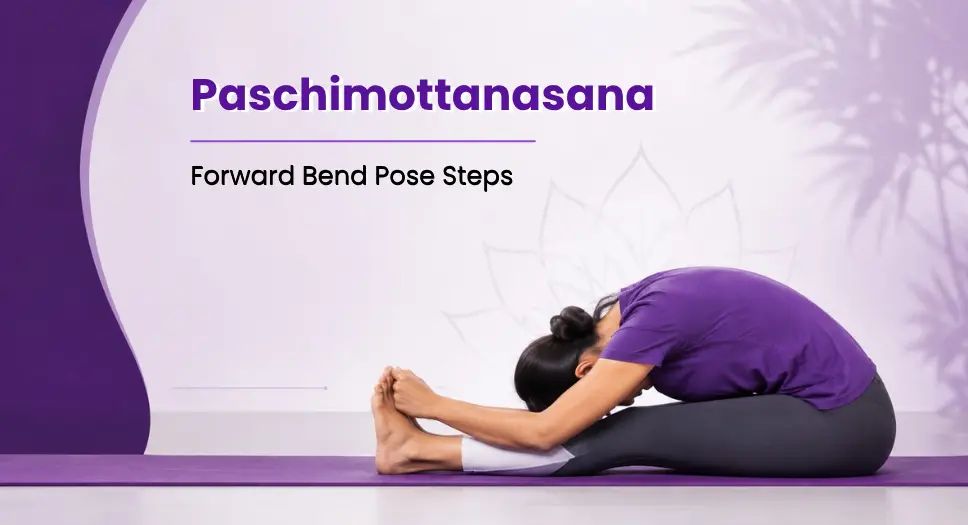
Yoga has always been more than a physical exercise. It is a way of connecting the body, breath, and mind into one steady rhythm. Among the many postures that ancient yogis developed, paschimottanasana stands out as one of the most calming and deeply restorative forward bends. Commonly known as the seated forward bend, this posture gently stretches the entire back of the body while soothing the nervous system.
If you are someone who spends long hours sitting at a desk, dealing with stiffness in the lower back, or simply looking for a pose that brings a sense of quiet introspection, paschimottanasana yoga is worth adding to your daily practice. In this blog, we will explore its meaning, correct technique, benefits, and the precautions you should keep in mind before practicing it.
What Does Paschimottanasana Mean?
The name paschimottanasana comes from three Sanskrit words: paschima, uttana, and asana. Paschima translates to “west,” and in the language of yoga, the west refers to the back or posterior side of the body, since in traditional practice, yogis would face east while doing their asanas. Uttana means “extended” or “stretched.” Asana simply means “pose” or “posture.”
So, when you put it all together, paschimottanasana literally means the pose that stretches the entire back side of the body, from the head down to the heels. This is exactly what happens when you fold forward from the hips in this posture. The spine, shoulders, hamstrings, and calves all experience a deep, steady stretch, making this one of the most complete forward bends in yoga.
This posture is often introduced early in a yoga journey because it forms the foundation for many other advanced forward bends and seated postures.
Type of Asana
Paschimottanasana falls under the category of seated asanas, but it is also classified as an intense forward bending posture. Unlike standing forward bends, this one requires you to sit on the floor with legs extended, which places a unique demand on the flexibility of the hip joints and the hamstrings. Because of its intensity, it is generally practiced after the body has warmed up through preliminary stretches or a few rounds of gentle movement.
How to Practice the Seated Forward Bend: Step-by-Step Guide
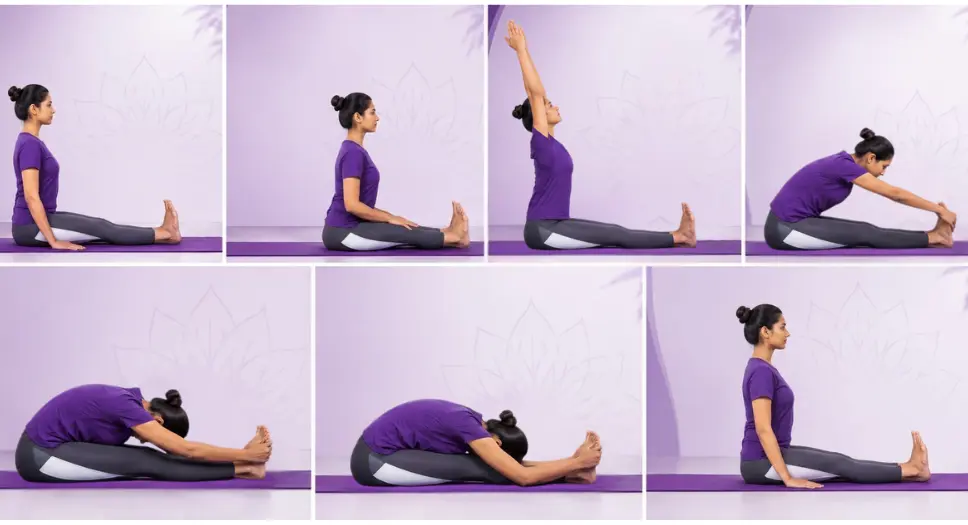
Learning the correct alignment is essential in this pose, since a rushed or incorrect forward bend can strain the lower back instead of releasing tension from it. Here is a simple, step-by-step approach to practicing paschimottanasana safely.
Step 1: Begin in Dandasana (Staff Pose) – Sit on your yoga mat with your legs stretched straight out in front of you. Keep your spine tall and your hands resting beside your hips. This is your starting position, and it helps you establish a straight, aligned back before you begin the forward fold.
Step 2: Flex Your Toes Toward You – One of the most important cues in this posture is to keep the toes flexed toward your body rather than pointed away. This activates the muscles of the legs and helps protect the knees while deepening the stretch in the calves and hamstrings.
Step 3: Inhale and Lengthen the Spine – Take a deep breath in, and as you do, lift your arms overhead and lengthen your spine upward. This creates space in the torso and prepares the body for the forward movement.
Step 4: Exhale and Hinge Forward from the Hips – As you breathe out, begin to fold forward, but remember that the movement should originate from the hip joints, not the waist or the shoulders. Let your chin lead the way toward your toes. The intention should be to move forward, reaching toward the feet, rather than collapsing downward toward the knees. This distinction matters because bending down toward the knees rounds the spine excessively, while reaching forward keeps the spine longer and safer.
Step 5: Let the Navel Move Toward the Knees – As you exhale further, gently draw your navel toward your knees rather than forcing your face down. This subtle instruction encourages the fold to come from the core and hips, allowing a natural, unforced stretch to unfold along the back body.
Step 6: Hold the Final Position – Once you reach a comfortable stretch, hold onto your feet, ankles, or shins, wherever you can reach without straining. Keep your breath steady and allow your body to settle deeper into the stretch with each exhale. Beginners can use a strap around the feet if flexibility is limited.
Step 7: Release Slowly – To come out of the pose, inhale and slowly lift your torso back up, vertebra by vertebra, until you return to the tall seated position of dandasana.
Holding the pose for anywhere between 30 seconds to a couple of minutes is generally recommended, depending on your comfort level and experience.
Key Alignment Points to Remember
Since paschimottanasana is often practiced incorrectly, keeping a few key points in mind can make a significant difference in how effectively and safely you experience the pose.
- Always keep the toes flexed toward you throughout the pose, rather than letting them point away.
- Bend forward from the hip joints, allowing your chin to move toward your toes, with the focus on moving forward rather than down toward the knees.
- As you exhale, gently guide your navel toward your knees instead of forcing your upper body downward.
These small adjustments transform the posture from a strained stretch into a graceful, flowing movement that respects the natural mechanics of your spine and hips.
Benefits of Paschimottanasana
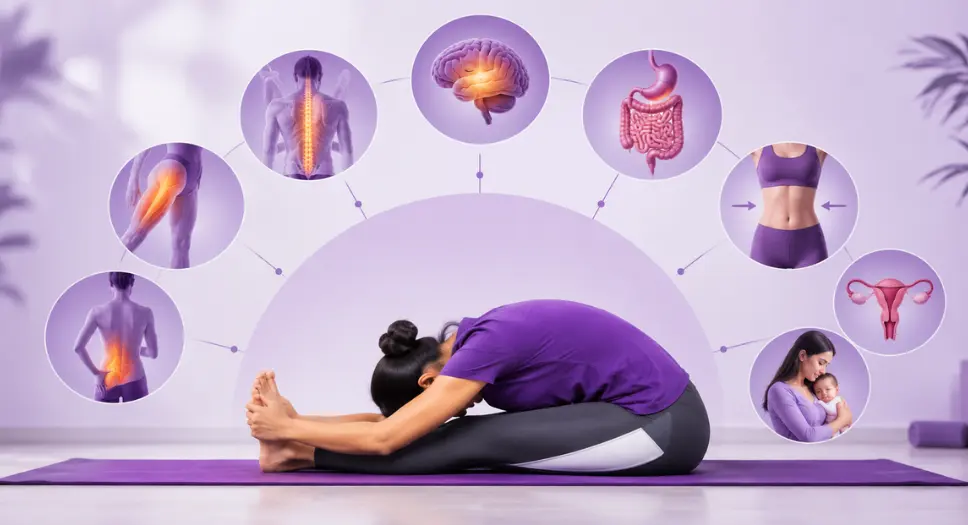
The benefits of paschimottanasana extend well beyond a simple hamstring stretch. This posture works on multiple systems of the body at once, making it a favorite among yoga practitioners and therapists alike.
- Improves Flexibility of the Spine, Hips, and Legs Regular practice of this pose increases the flexibility of the entire spine, lower back, hamstrings, calves, and hips. Over time, this can improve posture and ease the stiffness that builds up from long hours of sitting.
- Reduces the Risk of Sciatica and Back Injuries Because the posture gently stretches the muscles surrounding the spine and hips, it reduces the possibility of sciatica or other back-related injuries when practiced consistently and with correct alignment.
- Invigorates the Nervous System This forward bend has a calming effect on the entire nervous system, and it particularly stimulates the parasympathetic nervous system, which is responsible for rest, relaxation, and recovery. This is one of the reasons the pose feels so soothing after a long, stressful day.
- Massages and Tones the Abdominal Organs The forward fold gently compresses and massages abdominal organs such as the liver, pancreas, intestines, spleen, and kidneys. This internal massage supports digestion and can help relieve constipation, flatulence, indigestion, and acidity.
- Helps in Reducing Abdominal Fat Since the pose engages and compresses the abdominal region repeatedly, it can help in reducing fatty deposits around the belly, making it a useful addition for those working toward managing obesity through natural movement.
- Supports Reproductive Health Paschimottanasana also tones the pelvic organs, particularly the reproductive organs. This makes it especially helpful for those dealing with menstrual disorders or seminal weakness.
- Beneficial for Postpartum Recovery This posture is specially recommended for women after delivery, as it gently helps restore strength and flexibility in the abdominal and pelvic region during the recovery period, though it should always be practiced under guidance during this sensitive phase.
Taken together, these benefits make paschimottanasana yoga a well-rounded posture that supports physical flexibility, internal organ health, and emotional calmness all at once.
Who Should Avoid Paschimottanasana? Precautions and Contraindications
While paschimottanasana is generally safe for most healthy practitioners, there are certain conditions where this pose should be avoided or practiced only under expert supervision.
- Individuals with a slipped or herniated disc, or those experiencing sciatica, should avoid this pose since the forward bend can aggravate nerve compression.
- People experiencing diarrhea should skip this posture, as the compression on the abdomen may worsen digestive discomfort.
- Those suffering from abdominal ulcers should refrain from practicing this pose due to the pressure placed on the stomach region.
- A painful or enlarged liver or spleen is another condition where this asana should be avoided, since the forward fold directly compresses this area.
- Individuals with appendicitis should not attempt this pose.
- People with a hernia should avoid this posture, as the abdominal compression can increase strain on the affected area.
- Anyone who has undergone recent abdominal surgery should wait until they have fully healed and received clearance from their doctor before attempting this forward bend.
If you fall into any of these categories, it is always best to consult a doctor or an experienced yoga teacher before attempting this or any other intense forward bend.
Tips for Beginners
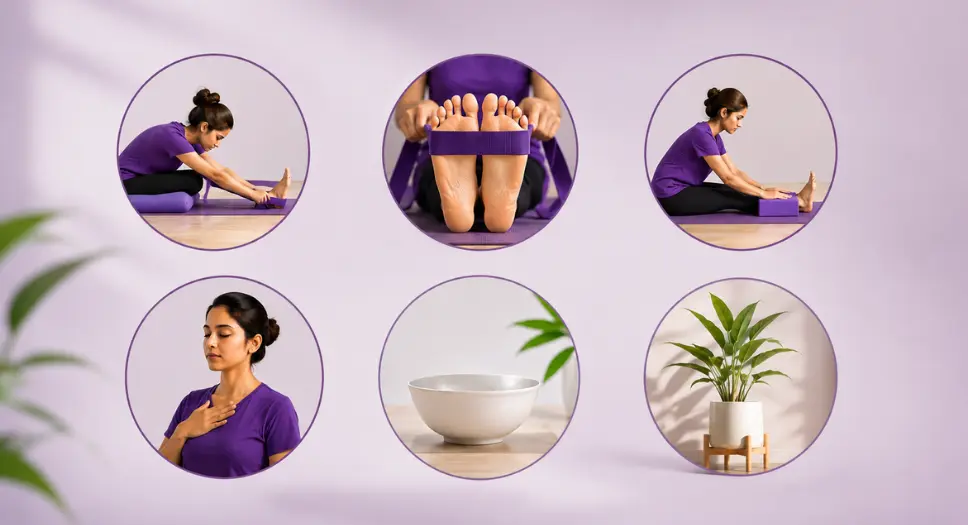
If you are new to the seated forward bend, here are a few practical tips to make your practice safer and more comfortable:
- Never force the stretch. Flexibility develops gradually with consistent practice, not through sudden effort.
- Use a yoga strap around your feet if you cannot comfortably reach your toes. This allows you to maintain a straight spine instead of rounding it excessively.
- Keep your knees slightly bent if your hamstrings are tight, rather than locking them straight, which can strain the lower back.
- Focus on your breath. Each exhale should invite a little more release into the fold, rather than forcing depth.
- Practice on an empty stomach, ideally in the morning, or at least three to four hours after a meal.
Bringing It All Together
Paschimottanasana is a wonderful example of how a single yoga posture can influence the body on so many levels at once, physically, internally, and mentally. From improving spinal flexibility to calming the nervous system and supporting digestive and reproductive health, this seated forward bend truly lives up to its reputation as one of the essential postures in a well-rounded yoga practice.
That said, like any intense forward bend, it is important to approach this pose with patience and awareness of your own body’s limitations. Practicing under the guidance of a qualified teacher, especially in the beginning, can help you understand correct alignment and avoid common mistakes that lead to strain rather than benefit.
Learn Authentic Yoga at Hatha Yoga Institute
If you are looking to deepen your understanding of postures like paschimottanasana and build a safe, well-guided yoga practice, Hatha Yoga Institute offers structured courses rooted in traditional yogic wisdom. With experienced teachers who focus on correct alignment, breathwork, and the deeper philosophy behind each asana, Hatha Yoga Institute is a wonderful place to begin or advance your yoga journey, whether you are a complete beginner or someone looking to refine your practice further. Their guided approach ensures that postures like the seated forward bend are practiced safely, so you can experience the complete benefits this ancient posture has to offer.