Depression is one of the most common mental health conditions in the world, affecting how a person thinks, feels, sleeps, eats, and relates to the people around them. While therapy and medication remain the primary, evidence-backed treatments for clinical depression, more people are asking a related question: can a regular movement and breathing practice like yoga actually make a measurable difference? The short answer is yes, with important caveats. Yoga for mental health has moved from the fringes of wellness culture into mainstream psychiatric research, and a growing body of clinical evidence suggests that yoga and depression are genuinely connected in a helpful way, not just as folklore, but as something scientists can measure in mood scores, stress hormones, and even brain chemistry.
This article walks through what the research actually shows, how yoga may work on a biological level, which styles and poses tend to help most, and how to build a realistic, sustainable practice if you are living with depression, anxiety, or everyday stress.
Understanding the Yoga and Depression Connection
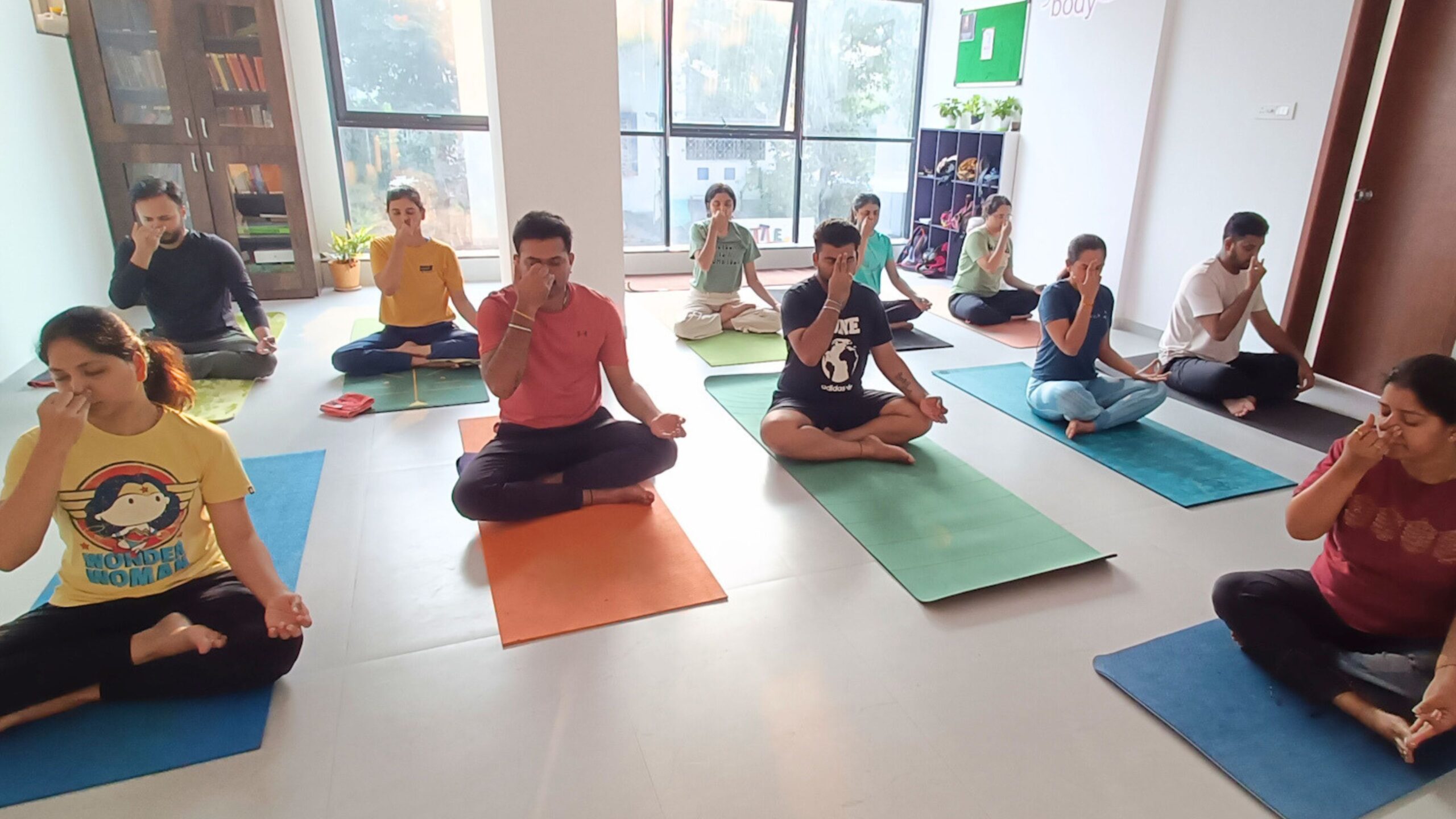
Yoga is often described as a form of exercise, but that undersells it. It combines physical postures (asana), controlled breathing (pranayama), and focused attention or meditation into a single practice. This combination is exactly why researchers are interested in it for mood disorders. Depression is not only a psychological experience, it also involves physical changes such as elevated stress hormones, disrupted sleep, low energy, and a nervous system that stays stuck in a heightened alert state. Yoga addresses several of these physical layers at once, which is part of why yoga mental health benefits extend beyond simple relaxation.
Interest in this connection is not niche. A 2024 analysis of yoga-related clinical trials registered with the World Health Organization found a steady increase in trial registrations over the years, with a large share of the studies focusing on chronic conditions and mental health concerns such as anxiety and depression. In other words, this is an active and expanding area of medical research, not a passing trend.
What the Research Actually Says
Clinical Evidence Is Growing Stronger
One of the most rigorous recent reviews on this topic is a 2024 systematic review and meta-analysis published in the journal Depression and Anxiety. The researchers set out to answer a very specific question: does yoga help people who have been clinically diagnosed with a depressive disorder, not just people who feel occasionally low? The review noted that depression prevalence has been rising sharply, and given the existing treatment gap along with the high number of people who do not respond well to conventional therapies, the potential of complementary approaches like yoga becomes clinically relevant. This is an important starting point because it frames yoga not as a replacement for standard depression treatment, but as a potential option for people who need more tools, especially those who have not fully responded to medication or talk therapy alone.
How Yoga May Work in the Body
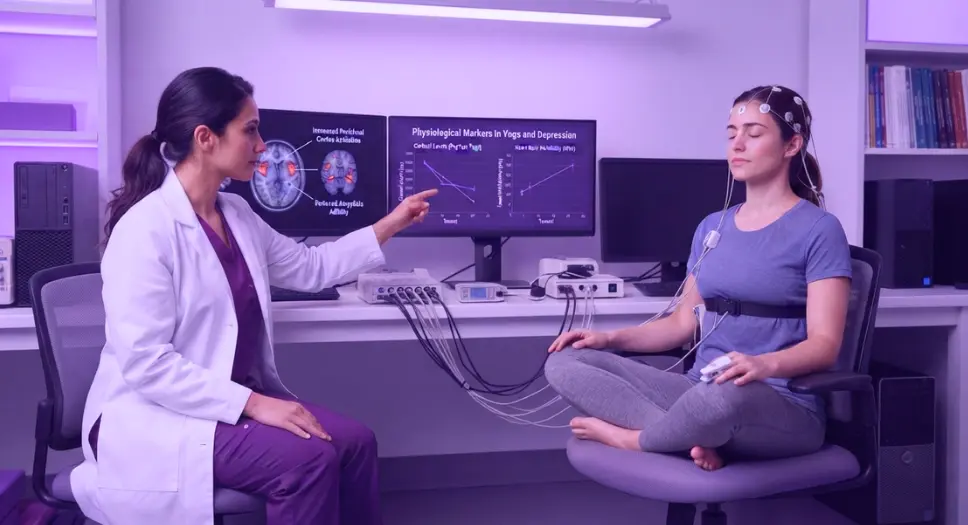
Beyond mood questionnaires, scientists have also looked at what yoga does physiologically to people with depression. A 2024 scoping review examined the biological mechanisms behind yoga’s antidepressant-like effects and found that yoga based interventions have been proposed by researchers as a promising complementary treatment approach for depression, alongside standard treatments such as antidepressants and psychotherapy, which are often only partially effective. The same review reported preliminary but meaningful findings: yoga practice was associated with increases in brain-derived neurotrophic factor (BDNF), a protein linked to mood regulation and brain plasticity, along with reductions in the stress hormone cortisol and the inflammatory marker interleukin-6. This matters because depression has been linked in other research to low BDNF, chronically high cortisol, and elevated inflammation. If yoga genuinely nudges these markers in a healthier direction, that would explain part of why people report feeling calmer and more emotionally stable after consistent practice.
Yoga Combined With Other Approaches
Researchers are also testing yoga as part of a broader treatment package rather than a stand-alone fix. A 2025 randomized controlled trial out of India investigated a six-month program combining yoga with dietary changes in people diagnosed with major depressive disorder, examining its effects on cognitive performance, autonomic nervous system regulation, and depressive symptoms. Studies like this reflect a broader shift in psychiatry: instead of asking “does yoga cure depression,” researchers are asking “how does yoga fit alongside diet, sleep, medication, and therapy to improve overall outcomes.”
Even studies not centered on depression as the primary condition are turning up related findings. Research on people with chronic pain, for example, has looked at the yoga for stress and depression connection in real-world community settings, examining immediate changes in mood and sleep quality after a session, while trials in unrelated chronic illnesses like bronchiectasis have used yoga as a supplementary intervention and tracked its effects on anxiety and depression symptoms as secondary outcomes. The consistent thread across this research is that yoga is rarely harmful and frequently shows a modest to moderate positive effect on mood, even in populations that were not the original focus of the study.
What the Evidence Does Not Say
It is worth being direct here: yoga is not a proven cure for major depressive disorder, and no reputable researcher is claiming that it is. The effect sizes reported in most trials are moderate, not dramatic, and study quality varies a great deal, with some trials being small or lacking a strong control group. Ongoing large trials, including a UCSF study evaluating yoga as a monotherapy for major depression, are still collecting data, which tells you the scientific community itself considers this an open, evolving question rather than settled fact. The honest summary of the research is this: yoga appears to be a genuinely useful complementary tool for mood, sleep, and stress regulation, and it appears safe for most people, but it works best as an addition to, not a replacement for, professional mental health care.
Why Yoga Helps: The Mechanisms Behind the Mood Boost
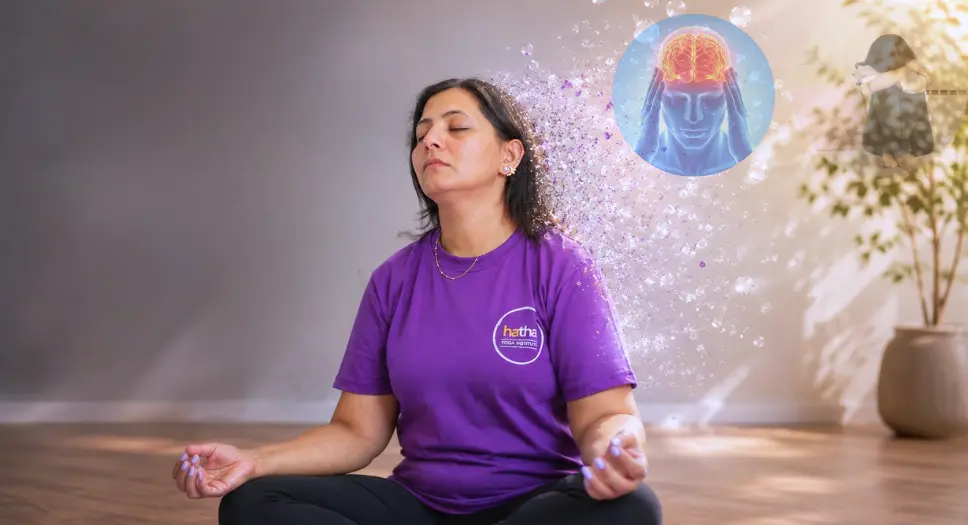
Understanding yoga and mental health on a mechanistic level helps explain why the practice can feel different from ordinary exercise. Several pathways appear to be involved:
- Nervous system regulation: Slow, controlled breathing activates the parasympathetic (“rest and digest”) nervous system, which counteracts the fight-or-flight state that chronic stress and depression often keep switched on.
- Hormonal changes: Regular practice has been linked to lower cortisol levels, the body’s primary stress hormone, and improvements in other stress-related biomarkers.
- Neuroplasticity support: Increases in BDNF may support the brain’s ability to form new neural connections, a process that is often impaired in depression.
- Reduced inflammation: Chronic low-grade inflammation has been linked to depressive symptoms in a subset of patients, and yoga has shown modest anti-inflammatory effects in several trials.
- Improved sleep quality: Depression and poor sleep feed into each other; the relaxation components of yoga can help shorten the time it takes to fall asleep and improve sleep continuity.
- Present-moment focus: The meditative and breath-focused elements of yoga interrupt rumination, the repetitive negative thinking loop that is a hallmark of depressive episodes.
- A sense of accomplishment and routine: Depression often erodes motivation and structure; showing up to a mat regularly, even for ten minutes, can rebuild a sense of agency.
Yoga for Anxiety and Depression: Why the Two Are Often Discussed Together
Anxiety and depression frequently occur together, and much of the research reflects that overlap. Yoga for anxiety and depression studies tend to measure both conditions side by side because the physiological drivers, elevated stress hormones, poor sleep, muscle tension, and a hyperactive nervous system, are shared between them. Practices that calm the body’s stress response tend to ease both conditions simultaneously rather than targeting one in isolation. This is one reason clinicians increasingly view yoga as a broad-spectrum stress management tool rather than a narrow depression treatment.
Best Yoga Practices and Styles for Low Mood
Not all yoga is the same, and the right style can matter for people managing depression, especially since low energy and low motivation are common symptoms. Below are approaches that research and clinical practice suggest are particularly well suited to supporting mental health.
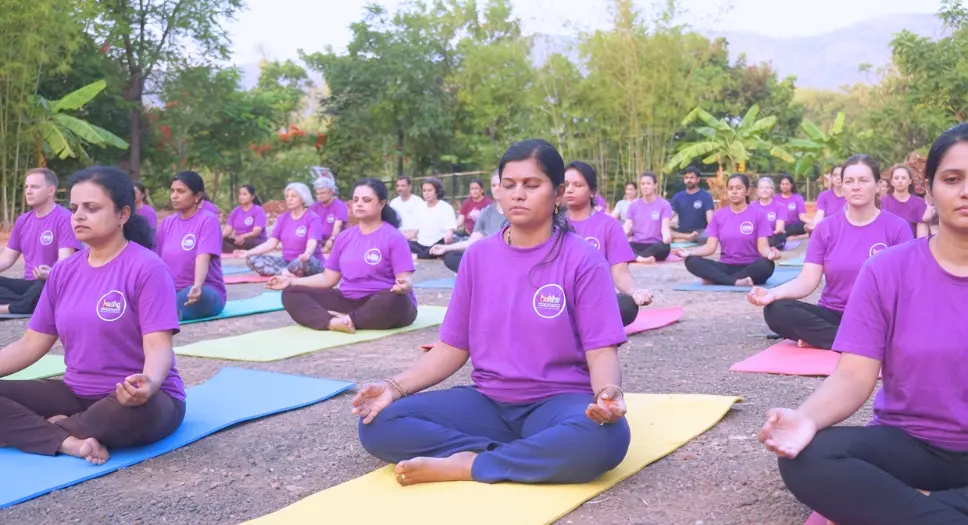
- Hatha yoga: A slower-paced style that blends foundational postures with breathing exercises. It is gentle on the body and mind, making it one of the most accessible entry points for beginners and for anyone dealing with fatigue or low motivation.
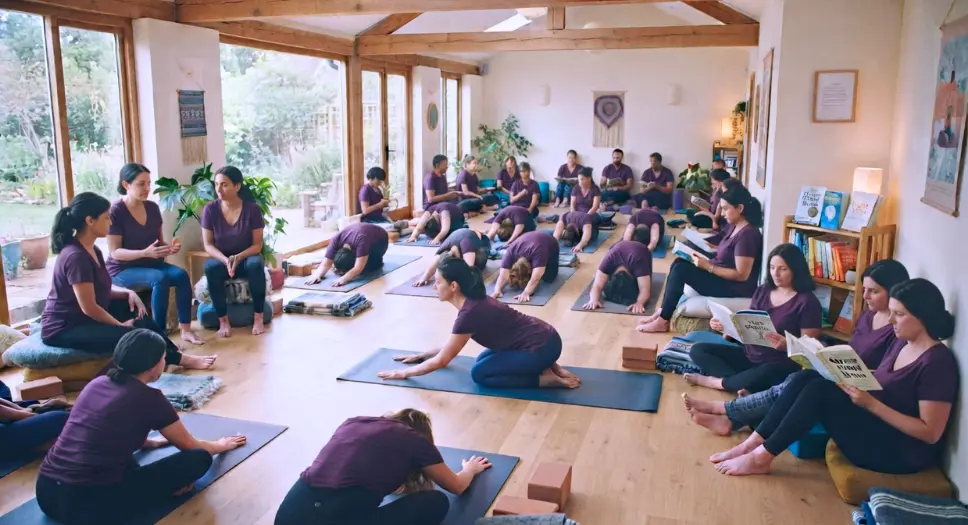
- Restorative yoga: Uses props like bolsters and blankets to support the body in passive poses held for several minutes, promoting deep physical and nervous system relaxation.
- Yin yoga: Involves long-held, passive stretches that target connective tissue while encouraging stillness and introspection.
- Vinyasa flow (modified): A more dynamic, breath-linked style that can help on days when physical release of tension feels more useful than stillness, though it should be approached gently if energy is low.
- Pranayama (breathwork) sessions: Standalone breathing practices, such as alternate nostril breathing or extended exhalation techniques, can be done even without a full physical practice and are especially useful for anxiety spikes.
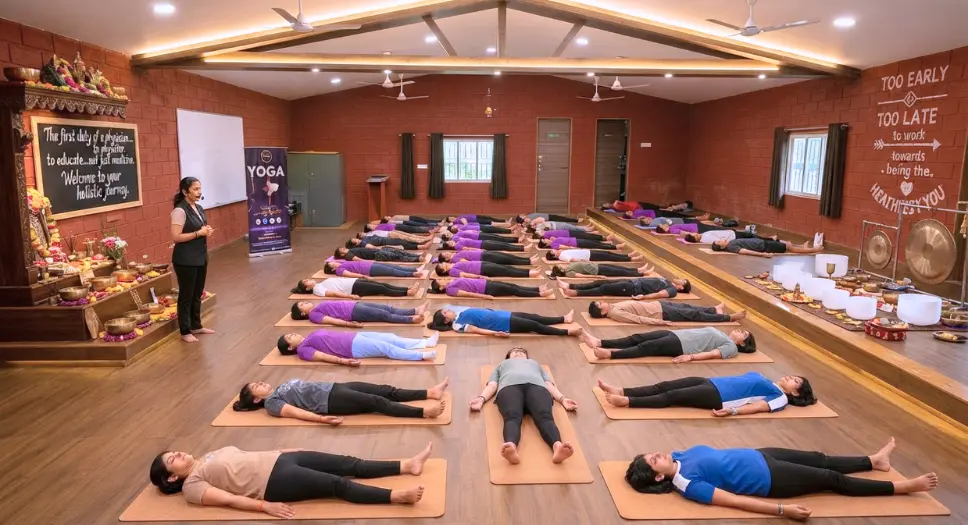
- Yoga Nidra (yogic sleep): A guided relaxation practice done lying down, often used to address insomnia and to calm an overactive mind before bed.
Building a Simple Practice: Where to Start
Depression can make even small tasks feel enormous, so the goal at the start should not be an hour-long class five days a week. A more realistic approach looks like this:
- Start with 10 to 15 minutes, two or three times a week, rather than committing to a long daily routine that may feel unsustainable.
- Anchor the practice to an existing habit, such as right after waking up or right before bed, so it becomes automatic rather than something you have to decide to do each day.
- Prioritize breathing exercises on low-energy days, since pranayama requires almost no physical effort but still activates the calming nervous system response.
- Use guided sessions or apps if motivation to plan a routine feels difficult; following along removes decision fatigue.
- Track mood, not just attendance, using a simple 1 to 10 scale before and after sessions to notice patterns over a few weeks.
- Be patient with the timeline. Most of the clinical trials showing benefit ran the intervention for six to twelve weeks or longer; a single session is unlikely to produce a lasting shift.
- Combine it with, not instead of, professional support. If you are in therapy or taking medication, mention that you are adding yoga so your care team has the full picture.
Yoga for Stress and Depression in Everyday Life
Beyond structured classes, small, informal moments of practice throughout the day can support yoga for stress and depression management. A few minutes of seated breathing during a stressful workday, a short stretching break instead of scrolling on a phone, or a gentle wind-down sequence before bed all count. The research suggests that consistency, not intensity, is what drives the biological changes linked to improved mood, so frequent small doses of practice can be just as valuable as fewer long sessions.
Who Should Be Cautious
Yoga is generally low-risk, but a few practical notes matter:
- People with severe depression, active suicidal thoughts, or an ongoing mental health crisis should prioritize professional treatment first; yoga is a supplement, not a substitute, for urgent care.
- Certain physical conditions, injuries, or pregnancy may require modified poses; checking with an instructor or physician beforehand is sensible.
- Some intense breathing techniques can occasionally increase feelings of anxiety in certain individuals, so starting gently and working with a qualified teacher is worthwhile, particularly for beginners.
- Yoga should never be presented, by anyone, as a reason to stop prescribed medication without first talking to a doctor.
A Note on Learning From Qualified Teachers
Because breathing techniques and certain postures can be intense if done incorrectly, learning from a properly trained teacher matters, especially for anyone using yoga specifically to support their mental health. This is where an institute with a structured, traditional curriculum can make a real difference compared to picking up isolated videos online. The Hatha Yoga Institute, for instance, focuses on teaching the foundational, slower-paced style of Hatha yoga in a structured way, which pairs naturally with the kind of gentle, sustainable practice that research suggests is most realistic for people managing low mood or stress. For anyone curious about starting a mental-health-focused yoga routine but unsure where to begin, learning the fundamentals properly through a dedicated institute rather than an ad hoc collection of online clips can make the difference between a practice that sticks and one that gets abandoned after a few sessions.
Bringing It All Together
The research on yoga for depression paints a consistent, if measured, picture. Multiple systematic reviews and clinical trials point to real, biologically plausible benefits, including lower cortisol, higher BDNF, reduced inflammation, better sleep, and improved mood scores among people with diagnosed depressive disorders. At the same time, the effect sizes are moderate, study quality varies, and ongoing large-scale trials are still working out exactly how strong and how durable these effects are. What is clear is that yoga is safe for the vast majority of people, inexpensive to start, and offers benefits that extend well beyond mood, including better sleep, lower stress, and a greater sense of bodily awareness and calm.
If you are exploring yoga for mental health as part of managing depression or anxiety, the most evidence-aligned approach is to treat it as one tool among several: keep any therapy or medication in place, start small with gentle styles like Hatha yoga, track your mood over weeks rather than days, and learn from a qualified teacher rather than relying entirely on guesswork. Used this way, yoga is far more likely to become a genuine, lasting support for your mental health rather than another item on a to-do list.
Research and References
- Moosburner, A., Cramer, H., Bilc, M., Triana, J., & Anheyer, D. (2024). Yoga for Depressive Disorder: A Systematic Review and Meta-Analysis. Depression and Anxiety, 2024, Article 6071055. Know more..
- Global and Indian Research Trends on Yoga: Insights from the WHO Trial Registry (2024). A retrospective analysis of 2,919 yoga-related clinical trials registered with the WHO International Clinical Trials Registry Platform. Know more..
- Are There Biological Correlates of Response to Yoga-Based Interventions in Depression? A Critical Scoping Review (2024). Brain Sciences (MDPI). Know more..
- A Study to Evaluate Role of Integrative Yoga-Based Interventions on Cognitive and Autonomic Functions Among Major Depressive Disorder (2025). Randomized controlled trial, CTRI/2023/12/060730. Know more..
- Treating Major Depression With Yoga Monotherapy, UCSF Osher Center for Integrative Medicine, ongoing trial (NCT06091527), estimated completion June 2026. Know more..
- Immediate Effects of Yoga on Anxiety, Depression, and Sleep in Women With Chronic Pain in a Rural Community Setting: A Pilot Feasibility Study (2025). Frontiers in Medicine. Know more..