Yoga has moved far beyond the image of a niche wellness practice. Today it is a global movement, a recognised profession, and a genuine career path for people who want to combine purpose with income. If you have ever thought about turning your passion for yoga into something more structured, there has never been a better moment to act. Enrolling in a diploma course in yoga right now puts you at the intersection of rising demand, growing government support, and an expanding job market that did not exist even a decade ago.
This blog explores exactly why the timing is right, what a diploma in yoga actually involves, how it differs from short certification programs, and why choosing the right institute matters just as much as choosing the right course.
The Yoga Industry Is Booming Like Never Before
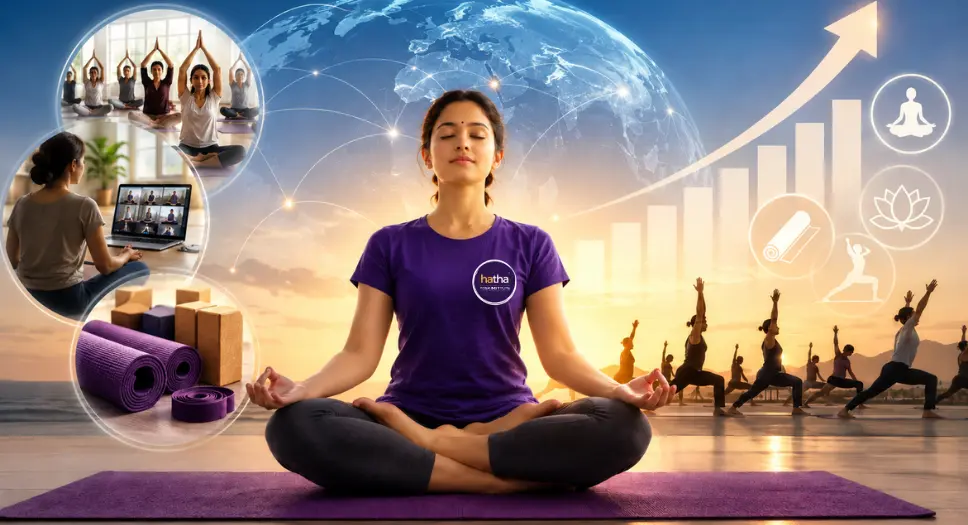
The global wellness industry has exploded in the last few years, and yoga sits right at its centre. People are no longer looking at yoga as an occasional weekend activity. They are looking at it as:
- A long term solution for physical fitness
- A tool for managing stress, anxiety, and mental fatigue
- A lifestyle choice that supports better sleep, digestion, and posture
- A preventive approach to chronic illnesses like diabetes and hypertension
This shift in perception has created massive demand for qualified professionals. Gyms, wellness resorts, corporate offices, schools, and even hospitals are now hiring trained yoga instructors. A yoga teacher diploma is quickly becoming the minimum qualification employers look for, replacing informal, unverified training.
Why Demand Is Rising So Quickly
A few clear trends are driving this growth:
- Increased awareness of mental health and the role yoga plays in managing it
- Corporate wellness programs adding yoga sessions for employees
- International recognition of yoga as a legitimate therapeutic practice
- Post pandemic focus on immunity, breathing, and holistic health
- Social media making yoga more visible and aspirational
Each of these trends points to one thing: the market needs more trained, certified professionals, and it needs them now.
Government Recognition Has Changed the Game
One of the biggest reasons this is the right time to enroll is the increasing formalisation of yoga education. A diploma in yoga by government institutions or government recognised bodies is no longer a rare option. Several government universities, AYUSH affiliated institutions, and recognised boards now offer structured diploma programs in yoga.
This matters for a simple reason: credibility. A government recognised diploma:
- Adds legal and professional weight to your certification
- Makes you eligible for government yoga instructor positions
- Opens doors to teaching in schools and colleges where formal recognition is mandatory
- Builds trust with clients who specifically look for verified credentials
- Improves eligibility for higher studies or specialisation courses later
As more state governments and the Ministry of AYUSH continue to promote yoga education, the pool of recognised diploma programs is expanding. Enrolling now means you are catching this wave early, before the field becomes even more competitive.
What Exactly Does a Diploma Course in Yoga Cover
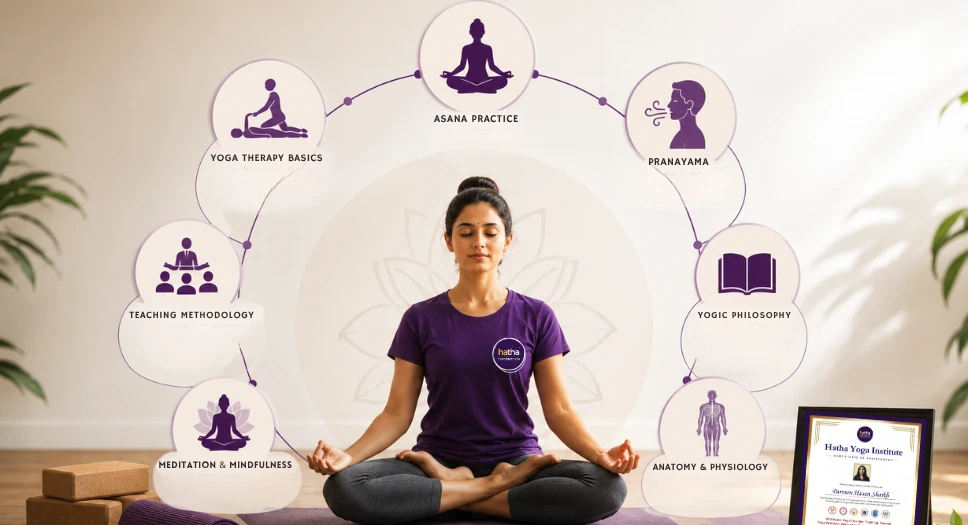
A common misconception is that a diploma course in yoga is only about learning asanas. In reality, a well structured diploma program is far more comprehensive. It is designed to create not just a practitioner, but a competent teacher and, in many cases, a therapist.
Typical modules include:
- Asana practice: alignment, sequencing, and safe modifications for different body types
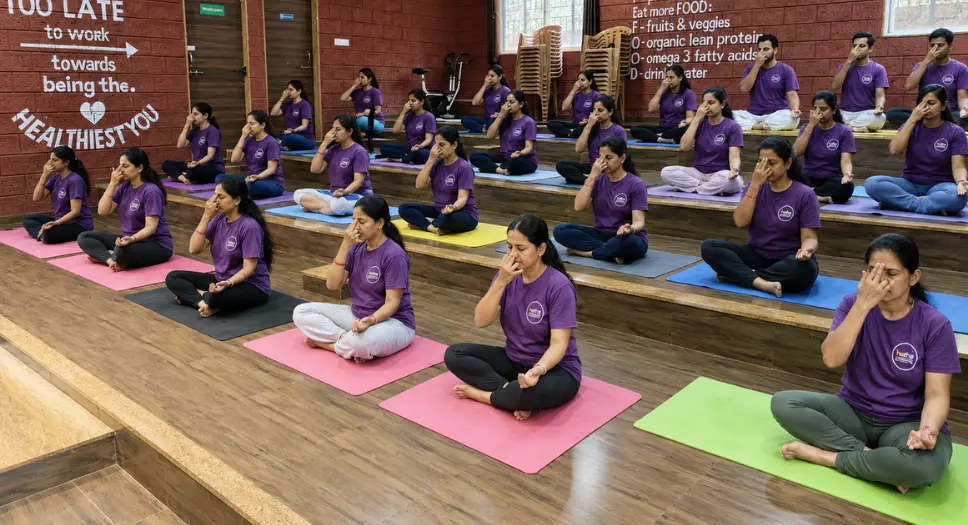
- Pranayama: breathing techniques and their physiological effects
- Yogic philosophy: study of classical texts like the Yoga Sutras and Hatha Yoga Pradipika
- Anatomy and physiology: understanding how yoga interacts with the muscular, skeletal, and nervous systems
- Meditation and mindfulness: techniques for mental clarity and emotional regulation
- Teaching methodology: how to plan classes, manage groups, and adapt to different skill levels
- Yoga therapy basics: introductory understanding of how yoga supports rehabilitation and chronic condition management
This combination of theory and practical training is what separates a diploma from a short weekend workshop. It is education designed to produce professionals, not just enthusiasts.
How a Diploma Differs From Short Term Certifications
Many people start their yoga journey with a short certification course, and that is a perfectly reasonable first step. However, if the goal is a serious career, a diploma offers advantages that shorter programs simply cannot match.
| Aspect | Short Certification | Diploma Course |
|---|---|---|
| Duration | Few days to a few weeks | Several months to a year |
| Depth of Curriculum | Basic asana and breathing | Full curriculum including philosophy, anatomy, therapy |
| Recognition | Often institute specific | Often affiliated with government, Yoga Alliance, or larger boards |
| Career Scope | Limited, entry level | Broader, includes teaching, therapy assistance, studio management |
| Teaching Eligibility | Restricted | Wider acceptance across schools, studios, wellness centres |
If your intention is to build a long term career rather than a hobby, a yoga teacher diploma gives you the depth and credibility needed to stand out.
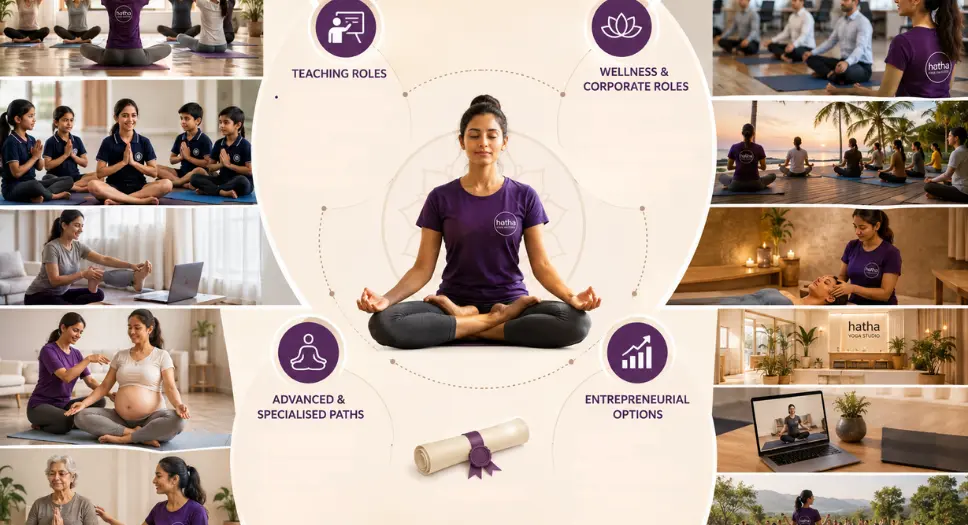
Career Opportunities After Completing a Yoga Diploma
This is often the deciding factor for most people considering enrolment. What can you actually do after finishing the course? The honest answer is: quite a lot.
Teaching Roles
- Yoga instructor at gyms, studios, and wellness centres
- Yoga teacher in schools and colleges
- Freelance or private yoga instructor
- Online yoga coach through online classes
Wellness and Corporate Roles
- Corporate wellness consultant
- Resort and spa yoga therapist
- Retreat centre instructor
- Yoga coordinator for hotel wellness programs
Advanced and Specialised Paths
- Yoga therapy assistant working alongside physiotherapists
- Prenatal or postnatal yoga specialist
- Yoga for seniors or yoga for special needs specialist
- Meditation and mindfulness coach
Entrepreneurial Options
- Starting your own yoga studio
- Running online yoga programs and subscriptions
- Conducting yoga workshops and retreats
- Building a personal brand as a yoga educator
The versatility here is significant. A single diploma can be the foundation for multiple income streams, whether you prefer structured employment or independent practice.
The Financial Case for Enrolling Now
Investing in education is always a financial decision, and yoga diplomas are no exception. The good news is that the return on investment in this field has become increasingly favourable.
Reasons the financial case is strong right now:
- Course fees for most diploma programs remain reasonable compared to other professional courses
- Demand for instructors is outpacing supply in many cities and towns
- Corporate wellness budgets are increasing, creating higher paying opportunities
- Online teaching has removed geographic limitations, allowing instructors to reach clients globally
- Government support in some regions includes subsidies or scholarships for recognised yoga programs
As more people discover flexible online and hybrid diploma formats, the barrier to entry has also dropped, making it easier to fit study around existing work or family commitments.
Personal Benefits Beyond the Career Angle
It would be incomplete to talk about enrolling in a diploma in yoga purely from a career perspective. The personal transformation that comes with serious yoga study is one of the strongest, though less discussed, reasons people choose to enroll.
During a structured diploma program, most students experience:
- Noticeable improvement in flexibility, strength, and posture
- Better breath control and lung capacity
- Reduced stress and anxiety levels
- Improved sleep quality
- Greater self awareness and emotional regulation
- A deeper understanding of their own body and mind
These benefits accumulate over the course duration because a diploma, unlike a short workshop, gives your body and mind enough time to adapt, absorb, and integrate the practice. Many students report that the personal transformation they experience becomes the strongest motivation to teach others.
Why Timing Matters More Than You Think
People often assume that career decisions like this can be made whenever convenient. In reality, timing plays a bigger role than most expect, and right now several factors align in favour of starting immediately.
The Field Is Still Growing, Not Saturated
Unlike some professions where the market is already crowded, yoga instruction still has room for growth, especially for instructors who hold a diploma in yoga by government recognised institutions. Early movers in any growing field tend to secure better opportunities, build stronger reputations, and establish themselves before competition intensifies.
Digital Platforms Have Opened New Markets
Online yoga classes, YouTube channels, and subscription based wellness apps have created demand for instructors who can teach virtually. A diploma gives you the credibility to position yourself professionally on these platforms, something casual practitioners often struggle to do convincingly.
Health Consciousness Is at an All Time High
Post pandemic health awareness has not faded. If anything, it has become a permanent shift in how people think about fitness and mental wellbeing. This sustained interest means the demand for yoga professionals is not a temporary spike but a long term trend.
How to Choose the Right Diploma Program
Not all diploma courses are created equal, and choosing the right one significantly affects your future opportunities. When evaluating programs, consider the following:
- Recognition and affiliation: Is the diploma recognised by a government body or reputed board.
- Curriculum depth: Does it cover philosophy, anatomy, and teaching methodology, not just asanas.
- Faculty experience: Are the instructors experienced practitioners and educators.
- Practical exposure: Does the course include supervised teaching practice.
- Flexibility: Are online, offline, or hybrid options available to match your schedule.
- Post course support: Does the institute help with placements, internships, or further specialisation.
Taking time to evaluate these factors properly ensures that your investment translates into real career value.
A Word on Hatha Yoga Institute
If you are looking for an institute that combines traditional depth with modern teaching standards, Hatha Yoga Institute is worth exploring. Known for its structured approach to classical Hatha yoga combined with contemporary anatomy and teaching methodology, the institute offers a well rounded diploma course in yoga designed for both aspiring teachers and serious practitioners.
What sets it apart is the balance it strikes between authenticity and practicality. Students are trained not only in asana and pranayama but also in the philosophical foundations that give yoga its depth, while still receiving the modern pedagogical tools needed to teach confidently in today’s diverse wellness settings. For anyone serious about pursuing a yoga teacher diploma with a strong grounding in tradition, Hatha Yoga Institute is a reasonable place to start your research.

Common Questions People Ask Before Enrolling
Before making a decision, most prospective students have a similar set of questions in mind. Addressing them here should help clear up any remaining doubts.
1. Is prior yoga experience necessary before starting a diploma?
Most reputed programs welcome beginners as well as experienced practitioners. A good diploma course in yoga typically starts with foundational modules before progressing into advanced asana work, philosophy, and teaching practice, so prior experience helps but is rarely mandatory.
2. How long does a typical yoga diploma take to complete?
Duration varies by institute and format, but most structured programs run anywhere from six months to a year. Full time, part time, and online options are usually available, allowing students to choose a pace that fits their existing responsibilities.
3. Can a diploma be pursued alongside a full time job?
Yes. Many institutes now offer weekend batches, evening classes, or fully online modules specifically designed for working professionals who want to transition into yoga teaching without giving up their current income.
4. Does a government recognised diploma guarantee a job?
No certification guarantees employment on its own, but a diploma in yoga by government affiliated institutions significantly improves eligibility for government positions, school appointments, and roles that require formally verified credentials, giving graduates a distinct advantage over informally trained instructors.
5. What is the difference between a diploma and becoming a certified yoga therapist?
A diploma typically focuses on teaching competency, while yoga therapy is a more specialised, often postgraduate level pursuit that deals with using yoga as a rehabilitative tool alongside medical or physiotherapy support. Many students use a diploma as the stepping stone toward therapy specialisation later.
Common Mistakes to Avoid While Choosing a Course
Even motivated students sometimes make avoidable errors when selecting a program. Being aware of these mistakes in advance can save both time and money.
- Choosing based on price alone: The cheapest course is not always the best value. Curriculum depth and recognition matter more in the long run than saving a small amount upfront.
- Ignoring accreditation: Enrolling in a program without checking if it is affiliated with a recognised board can limit future opportunities, particularly for government or school based roles.
- Overlooking practical teaching hours: A diploma that is heavy on theory but light on supervised teaching practice leaves graduates underprepared for real classroom situations.
- Not verifying faculty credentials: The quality of instructors directly affects the quality of education. Researching faculty background before enrolling is a simple but often skipped step.
- Assuming all diplomas are equivalent: Course content, duration, and depth vary significantly between institutes, so comparing curriculums side by side is essential before committing.
Building a Long Term Career Around Your Diploma
Completing a yoga teacher diploma is the beginning of a career, not the end goal itself. The professionals who go on to build the most sustainable and rewarding careers in this field typically continue developing after their initial certification.
Some practical steps to build long term momentum include:
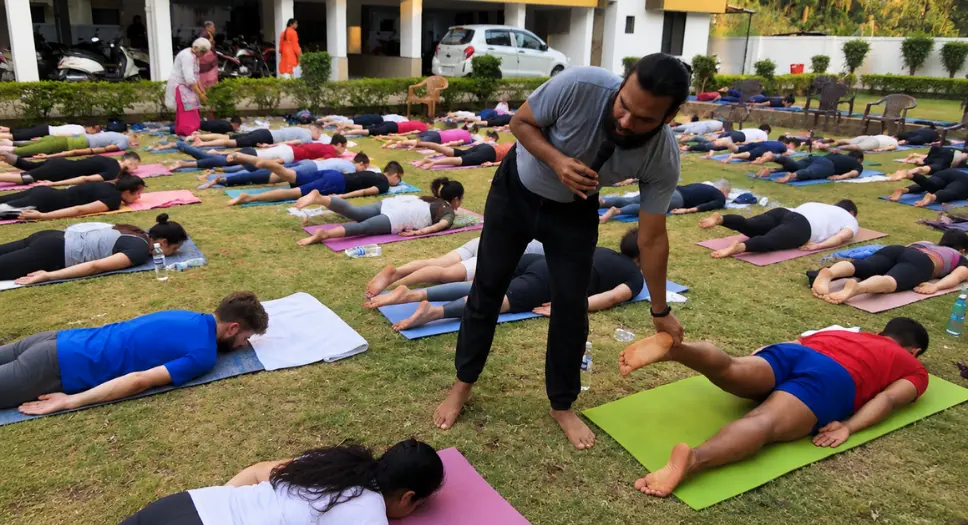
- Gaining hands on teaching experience as soon as possible, even through volunteer or low cost community classes
- Continuing education through workshops, advanced trainings, or specialisation courses in areas like prenatal yoga or yoga therapy
- Building an online presence through social media or a personal website to attract students beyond a local area
- Networking with wellness centres, corporate HR teams, and healthcare professionals who may refer clients
- Staying updated with new research on the physiological and psychological benefits of yoga, since credibility grows with knowledge
A diploma provides the structured foundation, but consistent practice, teaching experience, and ongoing learning are what transform that foundation into a thriving, long term career.
Final Thoughts
The case for enrolling in a diploma in yoga right now is built on more than just enthusiasm for the practice. It rests on measurable trends: rising demand, expanding government recognition, growing career opportunities, and a health conscious global population that shows no sign of losing interest in yoga anytime soon.
Whether your goal is to teach, to specialise in yoga therapy, to build an online wellness brand, or simply to deepen your own practice with formal structure, a diploma gives you the foundation to do it credibly. The field is still open, the recognition is growing, and the opportunities are only expanding from here.
If you have been waiting for a sign to finally commit, this is it. The right time to enroll in a diploma course in yoga is not next year or “eventually.” It is now.