What is International Yoga Day?
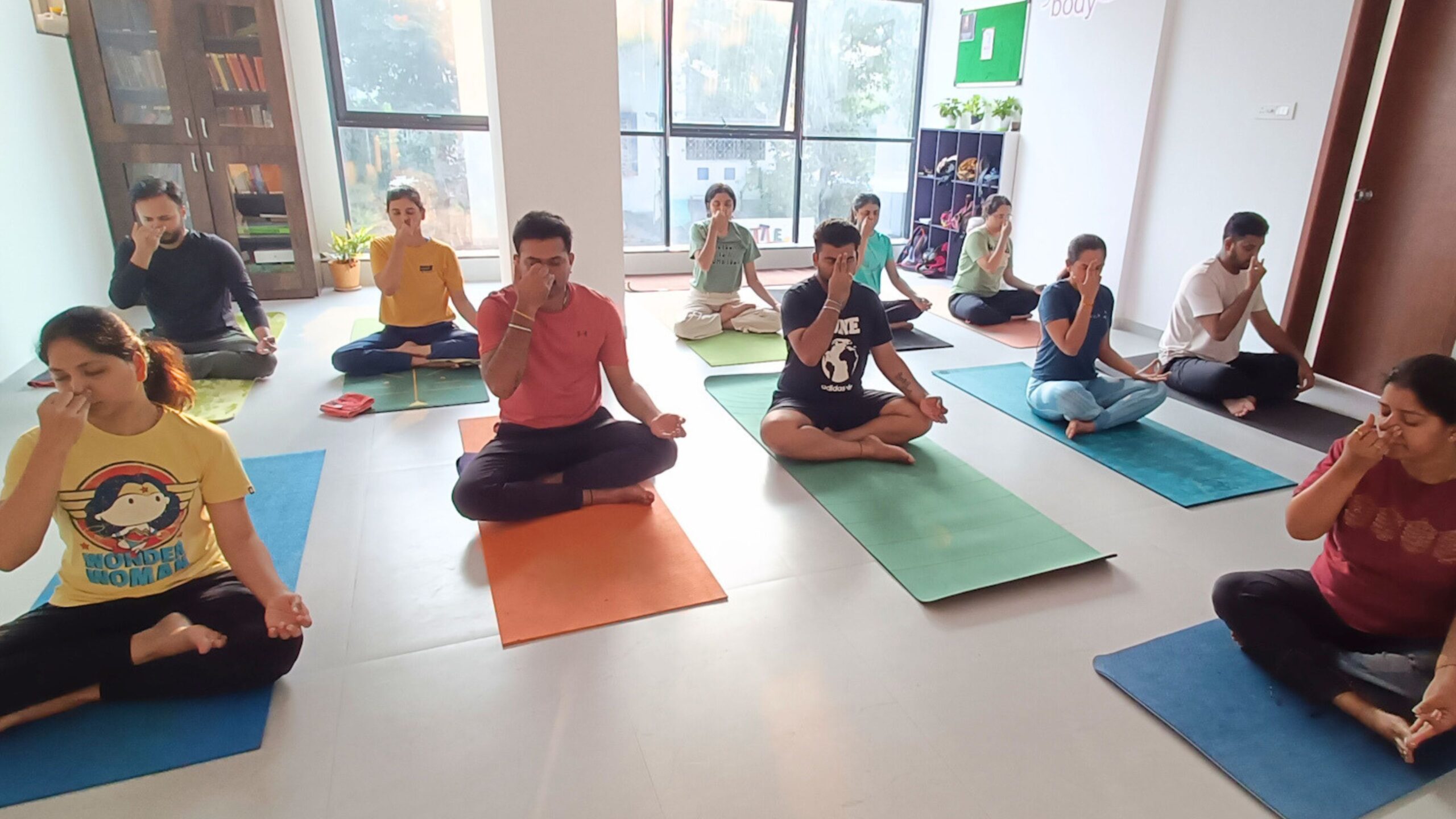
International Yoga Day, also known as world yoga day, is celebrated annually on June 21st. It highlights the importance of yoga in maintaining a healthy lifestyle and achieving harmony between body and mind. Over the years, this global observance has gained massive popularity, bringing together millions of people across countries.
Yoga day isn’t just about physical exercise—it’s about balance, mindfulness, and spiritual growth. From beginners to seasoned practitioners, everyone participates to embrace wellness holistically.
Global Recognition of Yoga
Yoga, which originated in ancient India, has now become a worldwide phenomenon. Today, it is practiced in homes, parks, studios, and even corporate offices. The celebration of international yoga day symbolizes the universal appeal of yoga and its ability to transcend borders, cultures, and beliefs.
Ever since International Yoga Day was officially declared by the UN in 2014, this day serves as an important reminder that the definition of well-being goes beyond physical fitness to include mental clarity, breathing, awareness, emotions, and connections.
How International Yoga Day Officially Started
From the 27th of September, 2014, when the Indian Prime Minister Narendra Modi addressed world leaders at the UN General Assembly’s 69th session, the process of declaring International Yoga Day officially began. Before that event, H.H. Gurudev Sri Sri Ravi Shankar proposed it in the assembly session multiple times. Following on that, Mr. Modi pitched the practice of yoga in front of global leaders as something that can promote a healthier lifestyle, foster better harmony between humans and nature.
More importantly, while presenting the proposal for yoga, Mr. Modi did not make it seem like a religious or political concept, but more as a way towards overall well-being. This included the following relationships between mind and:
- Body
- Humans and nature
- Thoughts and actions
- Mental and physical wellness
Global Support and Adoption
- As many as 177 countries came forward to co-sponsor the resolution for this event. More remarkably, it was accepted in a record 90 days, which is an unusually swift process for a global resolution.
- This acceptance was due to the increasing realization around the globe that wellness and mental well-being are taking more importance in the modern world.
- Following the declaration, India’s Ministry of AYUSH launched the Common Yoga Protocol, which is a standard yoga session lasting 45 minutes aimed at making yoga available to everyone regardless of age or experience level.
Why June 21 for International Yoga Day
The date is full of symbolism. The summer solstice in the Northern Hemisphere happens on June 21; it is the longest day of the year. The solstice has been revered throughout history for its association with:- Renewal
- Awareness
- Energy
- Transformation
- Spiritual awakening
- Light over darkness
- Energy and vitality
- New beginnings
Spiritual Importance in Yogic Tradition
According to yogic traditions, this day holds deep spiritual significance. It is believed that Lord Shiva, considered the first yogi (Adi Yogi), began imparting yoga knowledge to his disciples around this time. Traditional yoga philosophy is far broader. The practice is rooted in the Eight Limbs of Yoga described by the sage Patanjali. Together, these limbs outline a complete framework for awareness, discipline, concentration, and spiritual growth.
The Eight Limbs of Yoga
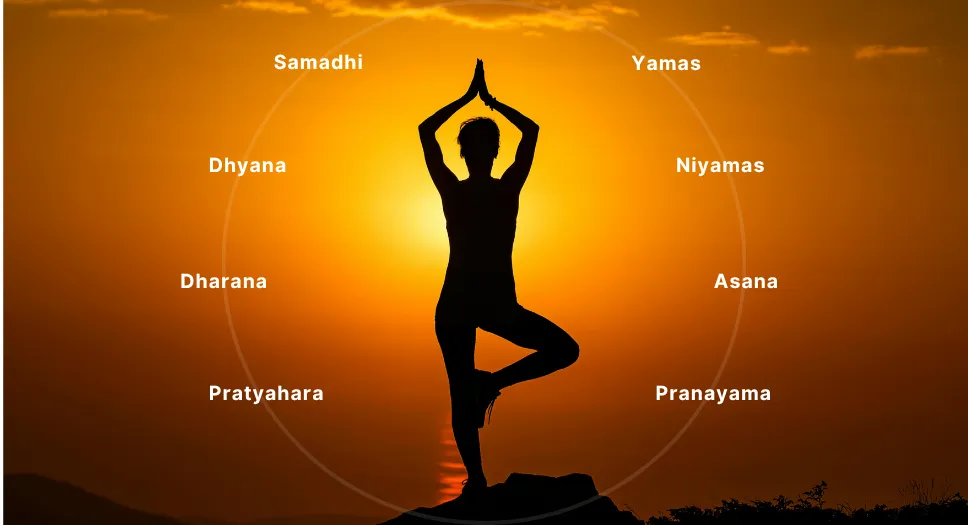
- Yamas – Ethical values and non-violence
- Niyamas – Personal discipline and self-reflection
- Asana – Physical postures
- Pranayama – Breath control
- Pratyahara – Withdrawal from sensory distractions
- Dharana – Concentration
- Dhyana – Meditation
- Samadhi – A state of deep peace and union
Understanding yoga through this lens changes how many people view the practice. It becomes less about appearance and more about balance, awareness, and connection.
How International Yoga Day Is Celebrated Worldwide
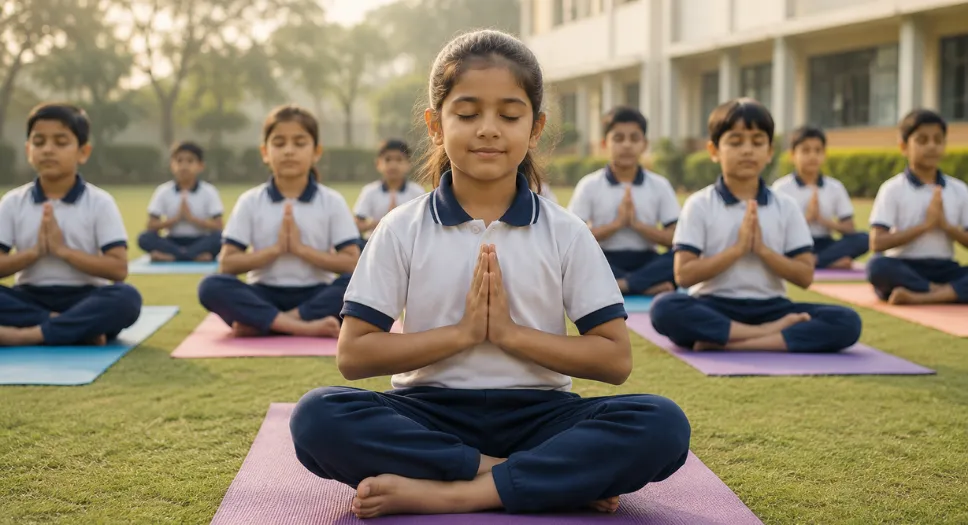
- Schools and universities
- Government organizations
- Local communities
- Armed forces
- Public health institutions
Yoga for Every Age and Lifestyle
Yoga for Seniors
Chair yoga and gentle movement practices can help older adults improve:- Mobility
- Joint flexibility
- Balance and coordination
- Posture
- Breathing awareness
Yoga for Children
Children’s yoga classes often use playful storytelling and animal-inspired poses such as:- Cat-Cow Pose
- Lion Pose
- Tree Pose
- Cobra Pose
Yoga in the Workplace
Desk yoga has become increasingly popular in offices where workers deal with:- Neck pain
- Shoulder stiffness
- Wrist strain
- Poor posture from long screen hours
Transition Toward Inner Consciousness
Symbolism of June 21st in Yoga
Importance of International Yoga Day
- Improved flexibility
- Better posture
- Enhanced immunity
- Reduced chronic pain
How the World Celebrates Yoga Day
Public Yoga Sessions
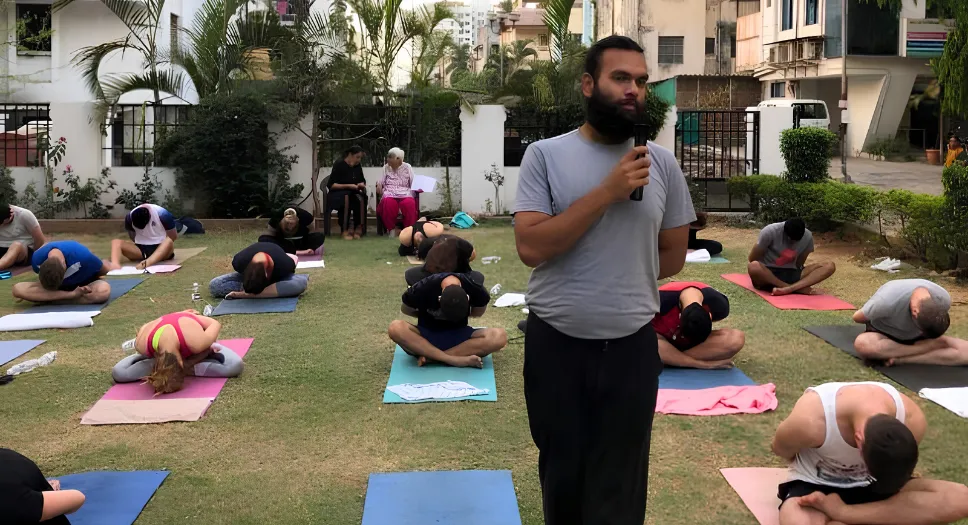
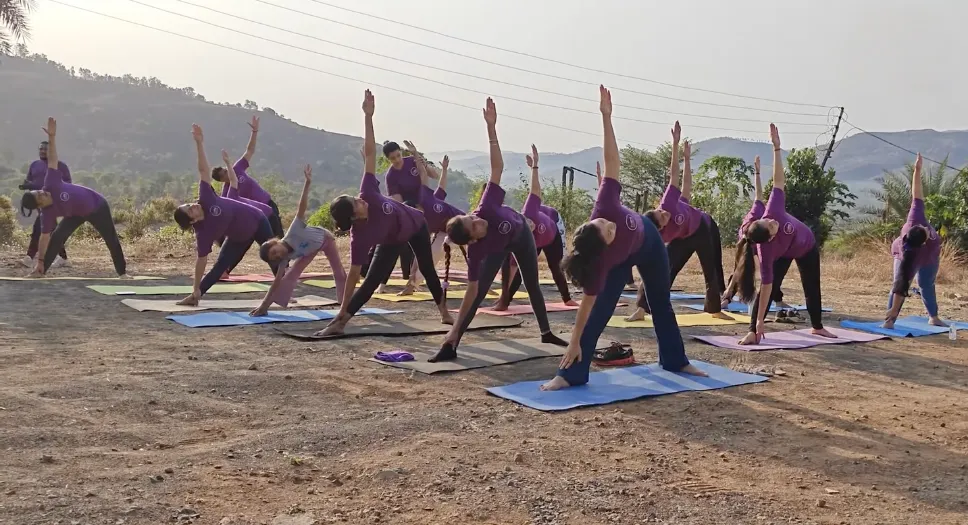
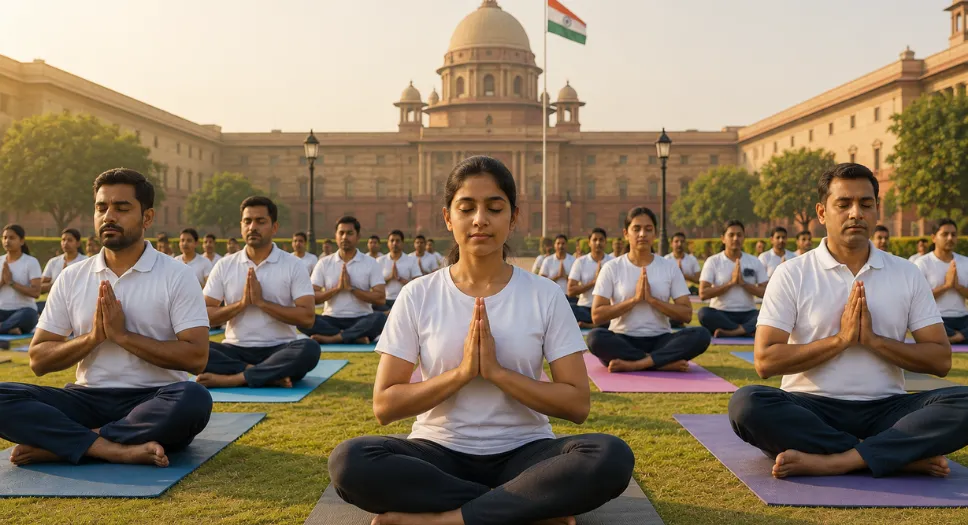
Mass yoga demonstrations are organized in parks, stadiums, and public spaces worldwide. These events often attract thousands of participants.
Digital and Online Celebrations
With the rise of technology, many people now join virtual yoga sessions, making it easier to participate from anywhere.
Institutional and Government Initiatives
Schools, universities, and governments organize awareness programs, workshops, and campaigns to promote yoga.
How You Can Celebrate Yoga Day
- Practice yoga at home
- Meditate for 10–20 minutes
- Learn a new yoga pose
- Reflect on your mental health
Community Participation Join local yoga events or organize a small session with friends and family. Sharing the experience enhances motivation and joy.
Role of Yoga in Modern Life
Scientific Benefits of Yoga
Physical Health Benefits Studies show yoga improves:- Cardiovascular health
- Muscle strength
- Flexibility
- Respiratory efficiency
Challenges and Criticism
Cultural Concerns Some critics argue that yoga’s cultural roots are often overlooked in global celebrations. Commercialization of Yoga The commercialization of yoga has led to concerns about losing its spiritual essence. However, awareness events help maintain authenticity.Future of International Yoga Day
- Cork yoga mats
- Jute-based products
- Natural rubber materials
- AI-assisted posture correction
- Virtual reality yoga sessions
- Personalized wellness tracking
- Hybrid online and in-person classes
Final Thoughts
- Pause.
- Breathe deeply.
- Reconnect with yourself.
Hatha Yoga Institute: Elevating Your Practice
- Authentic Training: Master foundational Hatha Yoga techniques in their purest form.
- Professional Certification: Gain internationally recognized credentials through 200-hour and 300-hour Teacher Training Courses.
- Specialized Workshops: Participate in programs focused on stress relief, corporate wellness, and mental clarity.
Conclusion
About international yoga day, June 21st is far more than just a date—it’s a powerful symbol of balance, harmony, and inner awakening. The alignment of astronomical, spiritual, and cultural elements makes it the perfect day to celebrate yoga globally.
As awareness grows, celebrate yoga day not just once a year, but as a daily practice that nurtures both body and mind. Whether you’re a beginner or an expert, embracing yoga can truly transform your life.