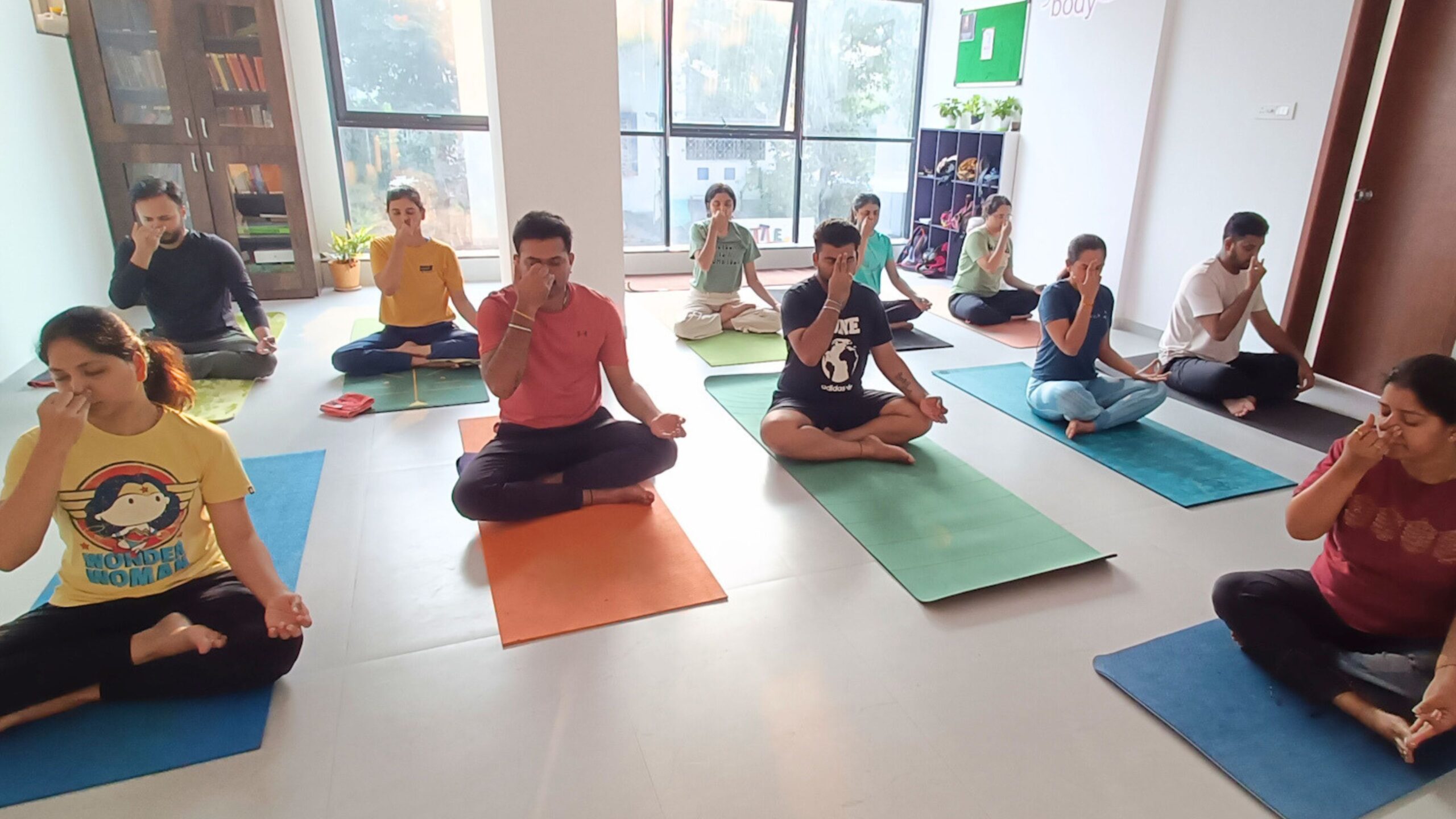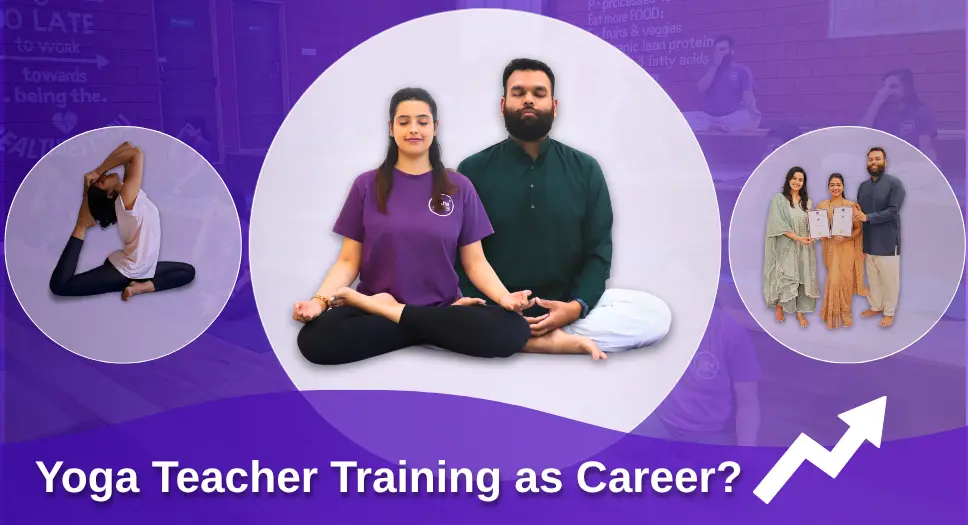
Most people who ask this question already sense the answer somewhere inside them. They have been practicing for a while, they love what yoga has done for their body and mind, and somewhere between Savasana and the drive home, the thought keeps surfacing: could I actually teach this?
It is a meaningful question, and it deserves an honest answer, not a sales pitch. So let us talk about it properly.
Yoga teacher training is not for everyone. But for the right person, it is one of the most grounding, clarifying, and genuinely career-shaping decisions they will ever make. This blog breaks down what the training actually involves, what kind of career it can build, and how to know whether you are ready to take that step.
What Yoga Teacher Training Actually Involves
There is a common assumption that yoga teacher training is mostly about perfecting your postures. It is not. The asana practice is one part of something much larger.
A well-designed yoga teacher training course is a complete education in the art and science of yoga. By the time you finish, you will have studied:
- Human anatomy and how the body moves through postures safely
- Pranayama, the science of breath, and its effects on the nervous system
- Meditation practices and the philosophy behind them
- The history of yoga, its classical texts, and the traditions that shaped it
- How to structure a class, sequence postures intelligently, and communicate clearly
- How to offer hands-on adjustments and modify poses for different bodies and conditions
- Professional ethics and the basics of building a teaching career
At the end of this journey, you walk away with a yoga certificate course credential that is recognized by studios, wellness centers, gyms, and employers. The standard starting point is a 200-hour certification, with 300-hour and 500-hour programs available for those who want to go deeper or specialize.
What surprises most people is how much they learn about themselves in the process.
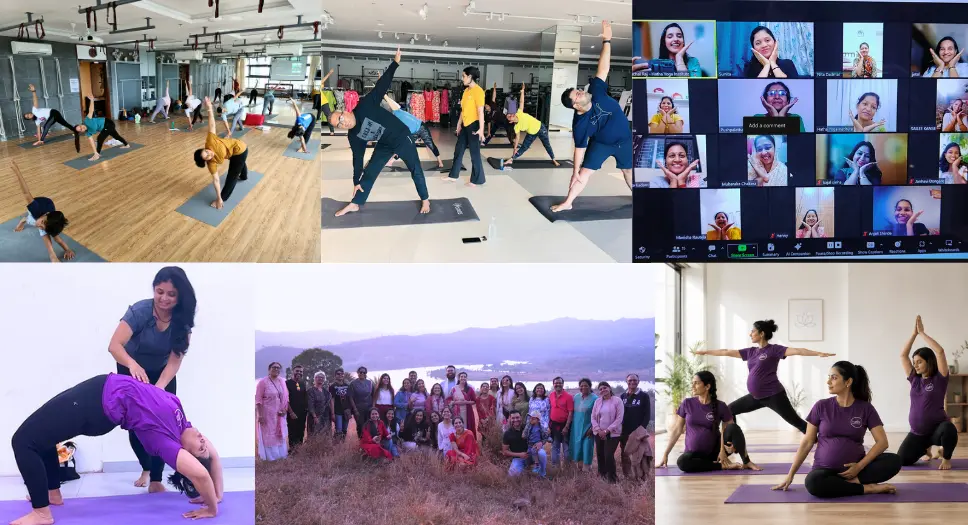
The Career Paths That Actually Exist
Before committing to yoga courses of any kind, it is fair to ask: what does the career actually look like? The wellness industry has grown considerably, and the honest answer is that real, sustainable careers are being built in this space every day.
Teaching in Studios and Gyms
This is where most teachers begin. Studios are always looking for qualified instructors who show up consistently, connect genuinely with students, and bring energy to the room. A yoga certificate course credential is your entry point into this world.
Corporate Wellness
Companies, especially in larger cities, have invested seriously in employee wellbeing. A certified yoga teacher working in corporate wellness teaches sessions in offices or online, often under long-term contracts that provide dependable, recurring income. It is a growing space with less competition than the studio market.
Online Teaching and Digital Platforms
The internet has fundamentally changed what is possible for a yoga teacher. Building a following on YouTube or Instagram, launching subscription-based yoga courses, or teaching live virtual classes are all legitimate ways to earn a living, and some teachers have built audiences and incomes that would have seemed impossible a decade ago.
Retreats and Workshops
This is where many experienced teachers find their deepest work. Running a retreat, whether in the mountains of Rishikesh, the beaches of Goa, or somewhere abroad, requires experience and planning, but it is also among the most personally and financially rewarding things a teacher can do. Students who attend retreats are often seeking real transformation, and guiding that is a privilege.
Private Teaching
One-on-one sessions command premium pricing for good reason. Private students might be recovering from injury, managing a health condition, preparing for an athletic event, or simply wanting focused attention. A thorough yoga teacher training course equips you to adapt the practice meaningfully for each person who sits across from you.
Therapeutic and Specialized Teaching
Prenatal yoga, yoga for seniors, yoga therapy for chronic conditions, children’s yoga — each of these is its own growing field. With additional study built on a strong foundation, a yoga teacher can carve out a highly specific niche that attracts a deeply loyal, referral-driven student base.

How Much Can You Earn Monthly on Average?
This is the question most people actually want answered before they commit to yoga teacher training, even if they feel a little awkward asking it outright. Fair enough. Let us talk numbers honestly, with the understanding that income in this field depends heavily on your city, your experience, and how proactively you build your client base.
Here is a realistic monthly range for a certified yoga teacher in India, based on common working patterns:
- Studio or gym teaching (part-time, a few classes a week): Roughly 15,000 to 30,000 rupees a month to start, rising with experience and demand.
- Full-time studio teaching across multiple classes: Somewhere between 30,000 and 60,000 rupees a month, depending on the city and the studio’s reputation.
- Corporate wellness contracts: Often 40,000 to 80,000 rupees a month, since companies tend to pay well for consistent, professional sessions.
- Private one-on-one sessions: Highly variable, but experienced teachers commonly earn 1,000 to 3,000 rupees per session, which adds up quickly with a small steady client base.
- Online teaching and digital courses: This can range from a modest side income to a six-figure monthly total for teachers who build a genuine following and offer memberships or signature programs.
- Retreats and workshops: Irregular but significant. A single well-organized retreat can bring in anywhere from 50,000 to several lakh rupees, depending on group size and pricing.
The honest takeaway is that a brand-new yoga teacher working part-time should not expect a large income in the first few months. But teachers who combine a few of these streams, say, some studio classes alongside private sessions and a small online presence, tend to build a stable, comfortable income within the first one to two years. The ones who treat teaching as a long-term craft, not a side hobby, are almost always the ones who end up earning the most.
The Part Nobody Fully Prepares You For
Career prospects aside, there is something that happens during yoga teacher training that is genuinely difficult to describe until you have experienced it. Most students come in expecting to learn how to teach. Many come out feeling like they have finally learned how to live.
This is not an exaggeration or a marketing line. It is something graduates report again and again. The training creates space, sometimes for the first time in a long time, to actually examine how you breathe, how you hold tension, how you respond to discomfort, and what you really believe about your own body and mind.
What shifts for most people includes:
- A much more honest and compassionate relationship with their own body
- Emotional steadiness that carries into daily life and relationships
- A sense of purpose that feels grounded rather than performed
- Genuine friendships with people who take growth seriously
- Clarity about what they actually want from their professional life
The philosophical teachings woven through a good yoga teacher training course cover concepts like ahimsa (non-harming), satya (truthfulness), and santosha (contentment). These are not ancient platitudes. When you sit with them properly, they become remarkably useful tools for living with more intention and less friction.
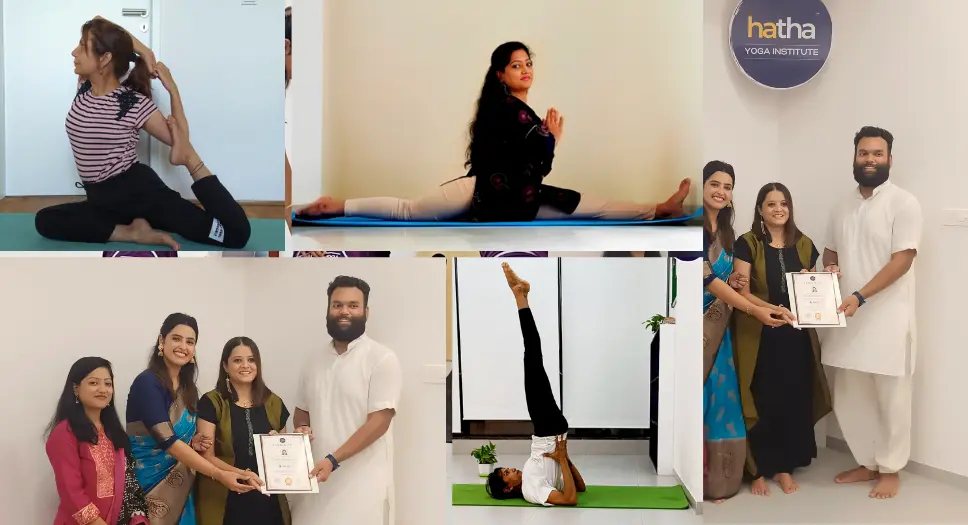
How to Choose the Right Yoga Teacher Training Course
This matters more than most people realize. The quality of yoga teacher training varies enormously, and the wrong program can leave you feeling underprepared and underwhelmed.
When evaluating your options, pay attention to these factors:
- The faculty: Who is actually teaching you? Look for instructors with genuine depth of practice, years of teaching experience, and a clear connection to a tradition. A good teacher is not just knowledgeable — they model what they teach.
- The curriculum: A real yoga teacher training course covers asana, pranayama, meditation, philosophy, anatomy, and teaching methodology. If any of these feel rushed or absent, the program is not complete.
- Class size: Personal attention is not optional in teacher training. Smaller cohorts mean your teachers can actually observe how you move, how you cue, and where you need to grow.
- Recognized certification: The yoga certificate course you earn should carry weight. Confirm it is recognized by credible governing bodies so it opens actual doors when you apply to teach.
- A clear tradition: Programs rooted in a specific lineage, whether Hatha, Ashtanga, or Iyengar, tend to produce more grounded teachers than those that blend loosely without structure.
- What happens after: The best schools do not disappear once training ends. Look for ongoing mentorship, continued education opportunities, and a community that stays active.
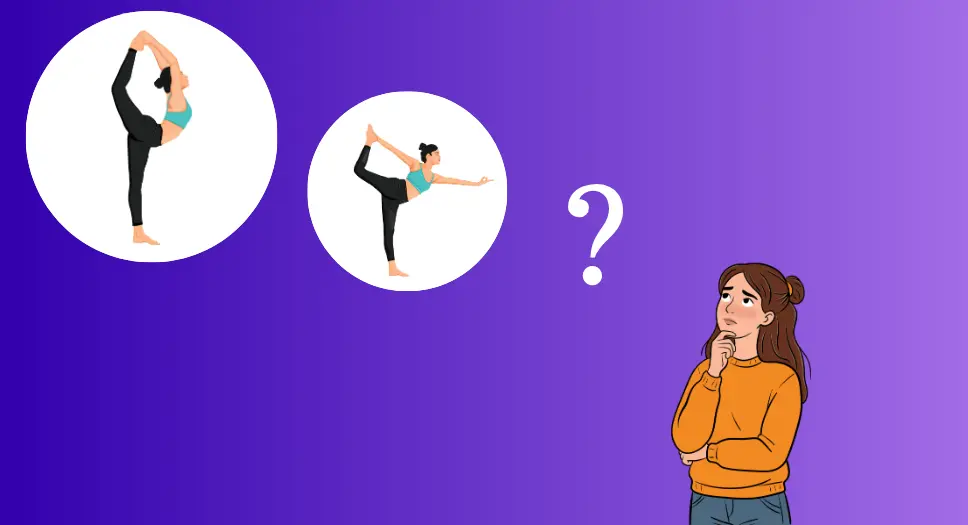
The Doubts People Carry In (And What They Actually Mean)
Most people who are seriously considering yoga teacher training have at least one of the following fears. They are worth addressing plainly.
“I am not flexible enough to teach yoga.”
This one comes up constantly, and it rests on a misunderstanding. Flexibility is something yoga builds over time; it is not a qualification for teaching it. In fact, students often find it easier to trust a teacher who visibly knows what it feels like to work through tightness. What matters far more is your understanding of the body, your ability to communicate, and the quality of attention you bring to your students.
“There are already too many yoga teachers.”
The market has grown, yes. But so has the number of people who want to practice. What the market is genuinely short on is teachers who are authentic, well-trained, and consistent. Those teachers always find their students.
“I cannot afford it right now.”
This is real, and it should not be dismissed. Quality yoga courses require investment. What is worth considering, though, is how that investment compares to other professional training programs, and what the returns look like over time, both financially and in terms of how you feel going to work each day. Many reputable schools also offer structured payment options.
“What if I train and end up not teaching?”
Then you still come away having spent months doing serious, structured inner work that most people never do. Many graduates end up teaching informally — in their community, to family members, in small groups — and find that deeply meaningful without it being their profession. The training is not wasted if it makes you a more grounded, aware human being.
Are You Ready?
You do not need to have all the answers before you begin. But if several of the following feel true for you, it is a strong signal:
- You have been practicing consistently for at least a year or two
- You find yourself explaining poses to others or noticing their alignment instinctively
- You are genuinely curious about where yoga comes from and what it really means
- You want to give something back by sharing what the practice has given you
- You are willing to put in real effort — emotionally, intellectually, and physically
If this sounds like you, your instinct to pursue yoga teacher training is probably worth listening to.
Why Hatha Yoga Is the Strongest Foundation to Build From
For anyone beginning their exploration of yoga courses, Hatha yoga is worth understanding as more than just one style among many. It is the tradition from which most modern yoga styles emerged, including Ashtanga, Iyengar, and Vinyasa.
Training in the Hatha tradition gives you something many other programs cannot: a thorough, classical grounding in posture, breath, and philosophy that holds up across every context and setting. You are not just learning a sequence. You are learning why the practice is structured the way it is, which makes you a far more capable and adaptable yoga teacher in the long run.
The Decision, Simply Put
Is yoga teacher training worth it for your career?
If you are looking for work that is meaningful, flexible, and genuinely connected to something larger than a salary, yes. If you want to deepen your practice in a way that no amount of personal practice alone can replicate, yes. If you are ready to join a community of people who take this work seriously and see teaching as a form of service, absolutely yes.
The path is not always easy. There will be moments of doubt, of physical challenge, of sitting with ideas that are uncomfortable. That is exactly what makes it worthwhile.
At Hatha Yoga Institute, our yoga teacher training course is designed for people who are serious about all of this, not just the certification. Whether you are exploring yoga courses for the first time or ready to commit to a full program, we are here to walk this path with you.
Why Hatha Yoga Institute?
There are plenty of places to get a certification. What we offer at Hatha Yoga Institute is something less common: training that actually prepares you for the reality of teaching.
We have been in this long enough to know that a great yoga teacher is not made in a weekend intensive or through a checklist curriculum. They are made through hours of practice, honest feedback, deep study, and the experience of being held to a real standard by people who care about the tradition they are passing on.
Here is what you can expect when you train with us:
- Classical Hatha Foundation: Our curriculum is rooted in authentic Hatha yoga, giving you the depth and versatility to teach confidently across styles and settings.
- Faculty Who Have Actually Taught: Every instructor brings years of real teaching experience, not just practice experience. They know what the classroom demands.
- Complete, Uncompromised Curriculum: Our yoga courses cover every dimension of the practice — asana, pranayama, meditation, philosophy, anatomy, and teaching craft — with nothing rushed or skipped.
- A Credential That Carries Weight: Our yoga certificate course is recognized by reputable bodies and respected by studios and wellness employers.
- Small Batches, Real Attention: We deliberately keep cohort sizes small. Your growth matters to us, and that requires us to actually see you.
- A Community You Keep: Training does not end at graduation. Our alumni remain connected, supportive, and engaged long after they have moved on to their own teaching lives.
If you are ready to do this properly, we are ready to teach you.
Visit hathayogainstitute.com to learn about our upcoming batches and begin.