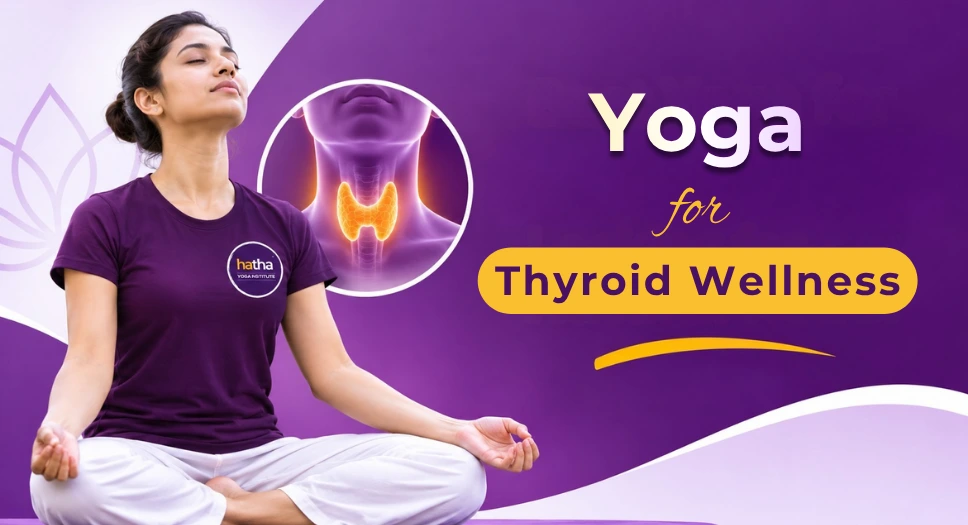
If you live with a sluggish or overactive thyroid, you already know how deeply it can affect daily life. Tiredness that never lifts, sudden weight changes, mood swings, dry skin, hair fall, poor sleep and a foggy mind are just a few of the complaints that thyroid patients describe. Medication prescribed by your doctor remains the foundation of treatment, but many people also look for gentle, natural ways to support their body alongside it. This is where yoga for thyroid care has become so popular.
Yoga does not replace your tablets or your endocrinologist. What it can do is calm the nervous system, improve circulation around the neck, support better sleep, lift energy and help you feel more in control of your health. In this guide, we explain how thyroid and yoga work together, share the best yoga for thyroid patients can start with, look at the Ayurvedic view, and give you a simple daily routine you can follow at home.
Understanding the Thyroid in Simple Words
The thyroid is a small, butterfly shaped gland at the front of your neck. It produces hormones that control how your body uses energy. These hormones influence your heart rate, body temperature, digestion, metabolism, mood and even how quickly your skin and hair renew themselves.
When things go out of balance, two main conditions appear:
- Hypothyroidism: The gland produces too little hormone. Common signs are fatigue, weight gain, constipation, feeling cold, dry skin, hair thinning and low mood.
- Hyperthyroidism: The gland produces too much hormone. Common signs are weight loss, fast heartbeat, anxiety, sweating, shaky hands and trouble sleeping.
- Autoimmune thyroid conditions: Hashimoto’s thyroiditis and Graves’ disease are autoimmune in nature, and stress often makes the symptoms feel worse.
Because stress, poor sleep and a tired nervous system can aggravate nearly every thyroid symptom, practices that calm the body make a real difference to how you feel day to day.
Why Yoga Helps People With Thyroid Problems

The link between thyroid and yoga is not magic. It comes down to how the body responds to slow movement, mindful breathing and deep relaxation. Here is what regular practice can offer:
- Lower stress hormones: Chronic stress raises cortisol, which can interfere with thyroid function. Yoga activates the relaxation response and helps bring cortisol down.
- Better circulation: Poses that gently stretch or compress the neck area improve blood flow to the throat region.
- Improved metabolism support: Movement and breathwork stimulate digestion and energy use.
- Weight management: Hypothyroid patients often struggle with weight gain, and a steady yoga routine supports healthy movement without harsh strain on the joints.
- Deeper sleep: Evening practice and breathing techniques ease restlessness, which is especially helpful in hyperthyroid conditions.
- Emotional balance: Mood swings and anxiety respond well to meditation and pranayama.
- Reduced muscle and joint stiffness: Gentle stretching eases the aches that often come with low thyroid levels.
Research on yoga and endocrine health is still growing, and results vary from person to person. Still, many small studies and plenty of real life experience suggest that yoga improves quality of life, mood and energy in people managing thyroid conditions.
Many beginners copy poses from videos and end up with neck strain or poor breathing habits. At Hatha Yoga Institute, trained instructors guide you step by step in beginner friendly Hatha yoga classes, with modifications for health conditions like thyroid disorders. Learn more about our Hatha yoga classes
Best Yoga for Thyroid: 10 Asanas to Practice
Choosing the right asana for thyroid support matters. You want poses that are gentle, steady and easy to hold with calm breathing. Never push into pain. Here are ten of the most recommended options.
1. Sarvangasana (Shoulder Stand)
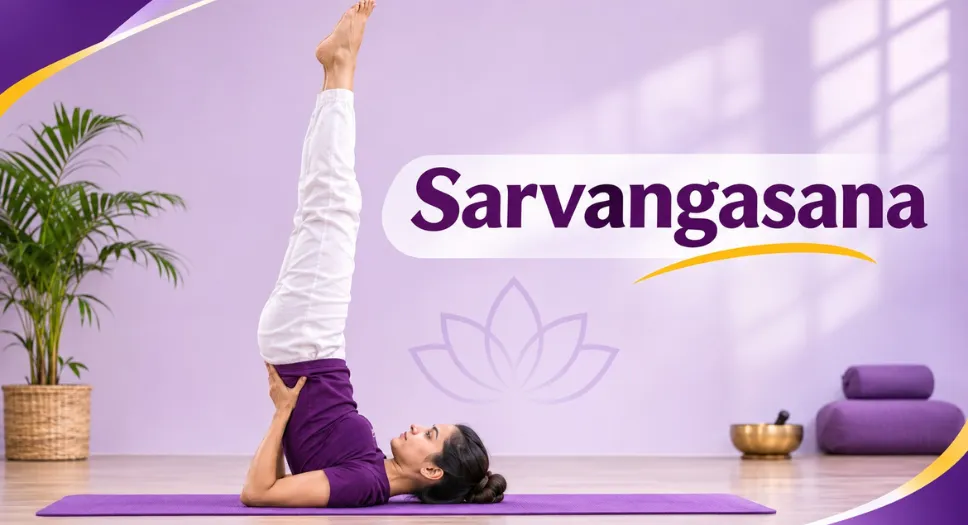
Often called the queen of poses, this is the most famous asana for thyroid health. The chin lock formed in this pose gently presses on the throat area and increases blood supply to the neck.
- Lie flat on your back with your arms beside you.
- Lift your legs and hips slowly, supporting your lower back with your hands.
- Keep your body in a straight line and breathe evenly.
- Hold for 20 to 30 seconds at first, then build up gradually.
Beginners can use a folded blanket under the shoulders or practise the easier Viparita Karani described below. Avoid this pose if you have neck injuries, high blood pressure or serious eye conditions.
2. Halasana (Plough Pose)
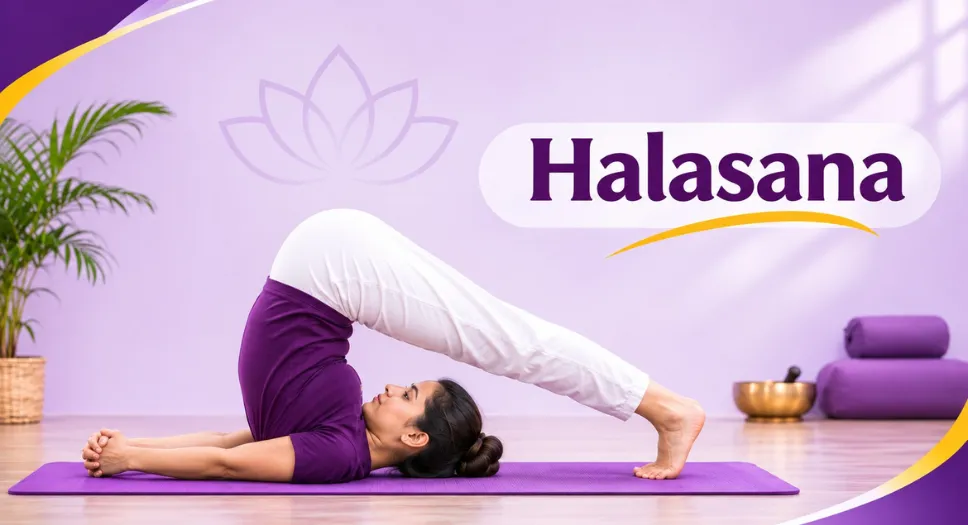
Halasana is usually practised right after the shoulder stand. It stretches the back of the neck and spine while compressing the front of the throat softly.
- From the shoulder stand, lower your toes slowly behind your head.
- Keep your legs straight and relax your shoulders.
- Breathe slowly for 15 to 30 seconds.
If your toes do not reach the floor, rest them on a chair or stack of cushions. Never force the pose.
3. Matsyasana (Fish Pose)
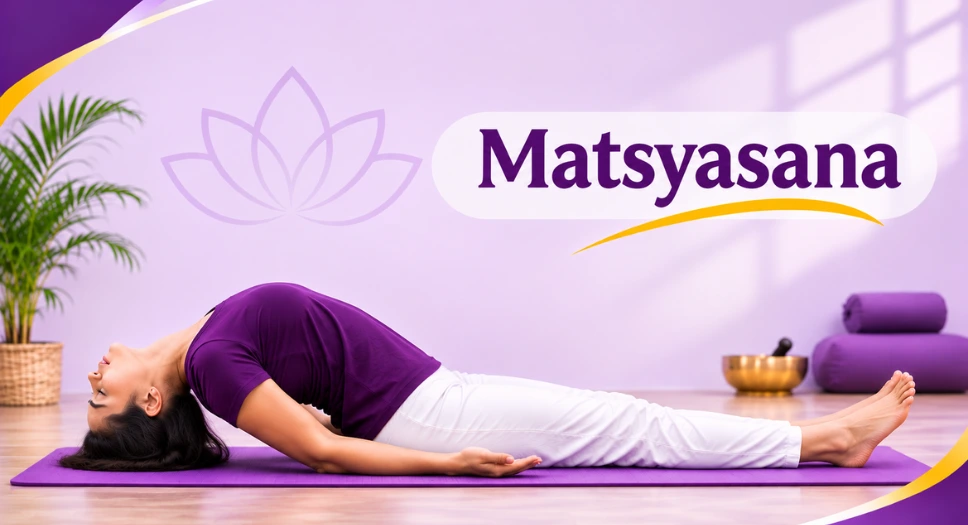
This pose is the natural counter to the shoulder stand. It opens the chest and stretches the front of the neck, which many people consider helpful for a tight throat.
- Lie on your back with your legs together.
- Press your elbows down and lift your chest.
- Gently let the crown of your head rest on the floor, keeping most weight on your elbows.
- Hold for 15 to 30 seconds while breathing steadily.
4. Setu Bandhasana (Bridge Pose)
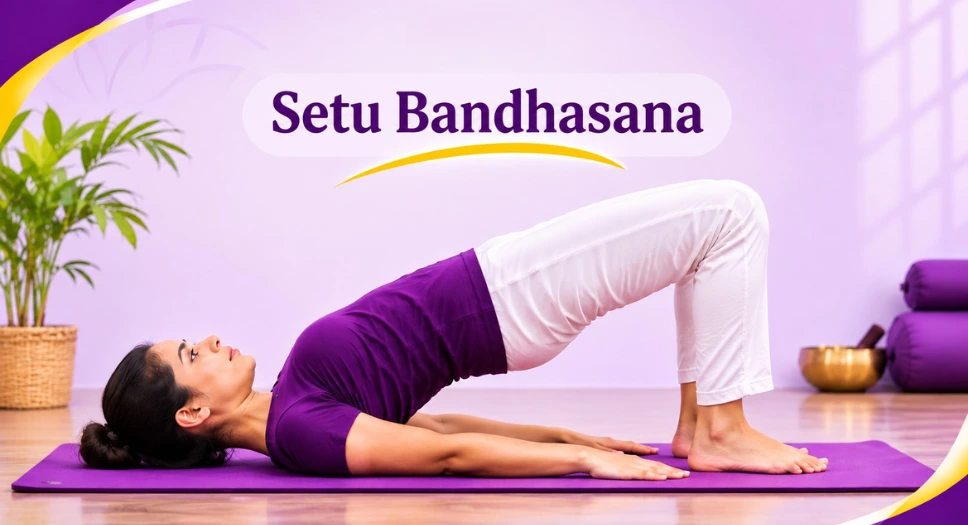
A friendlier alternative for beginners, the bridge strengthens the back and legs while opening the chest and stretching the neck.
- Lie on your back with knees bent and feet hip width apart.
- Press your feet down and lift your hips.
- Hold for 20 to 30 seconds and lower slowly.
- Repeat three to five times.
Many teachers rank this among the best yoga for thyroid practice for people who are new to inversions.
5. Ustrasana (Camel Pose)
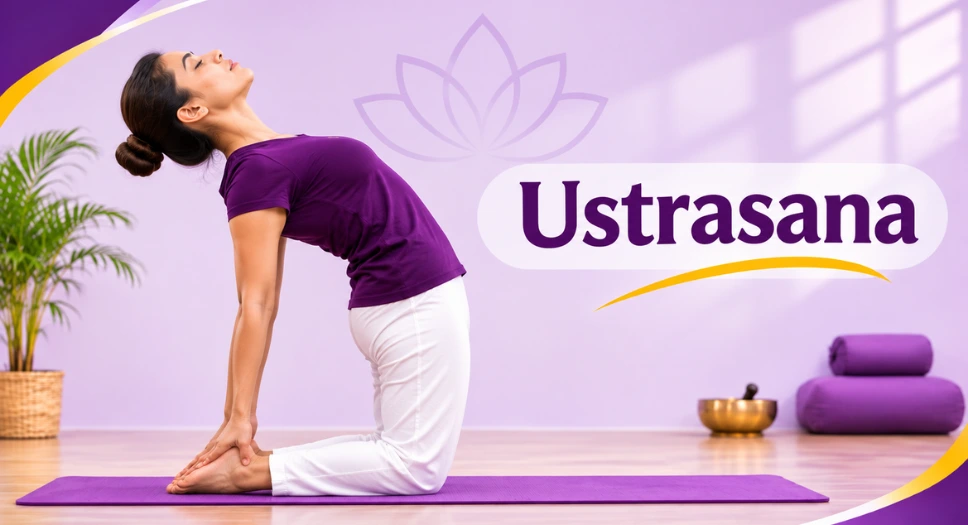
Camel pose opens the entire front body, from the throat to the hips, and stimulates the neck region.
- Kneel with your thighs upright and hands on your lower back.
- Lean back gently and, if comfortable, reach for your heels.
- Let your head drop back only if it feels safe for your neck.
- Hold for 15 to 20 seconds.
6. Bhujangasana (Cobra Pose)
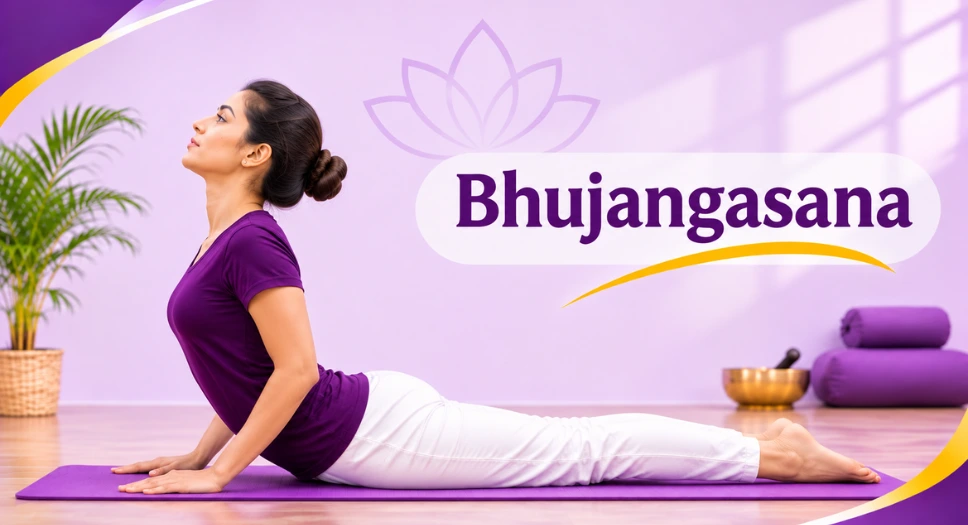
The cobra lifts the chest and stretches the throat, while also strengthening the spine and boosting energy.
- Lie on your stomach with palms beside your chest.
- Inhale and lift your chest, keeping elbows slightly bent.
- Look straight ahead or slightly upward.
- Hold for 15 to 20 seconds and release with an exhale.
7. Viparita Karani (Legs Up the Wall)
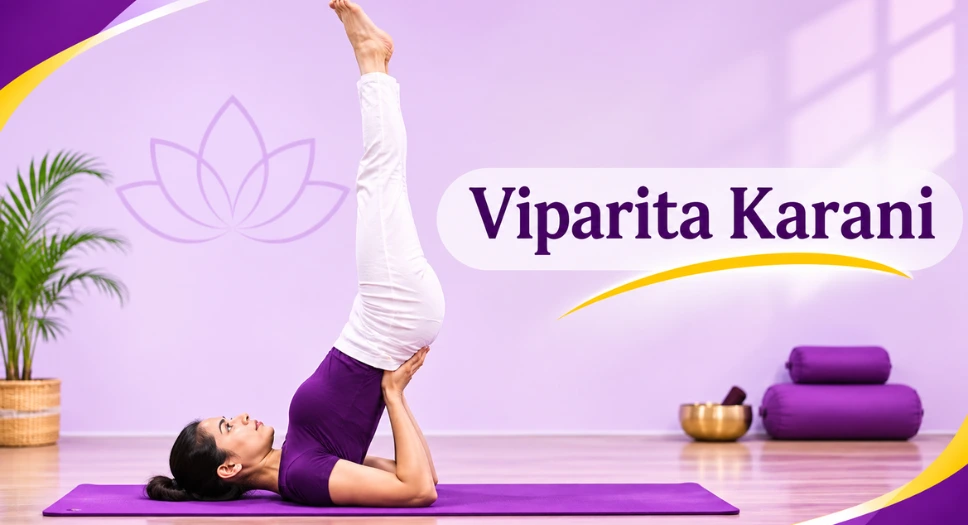
This is a restful, beginner friendly inversion that calms the nervous system and improves circulation without strain.
- Your body weight is supported by your elbows, shoulders and
neck. - Your chin is not pressing the chest.
- Take care while returning back to the starting pose.
It is especially soothing for hyperthyroid patients who feel restless or anxious.
8. Marjaryasana and Bitilasana (Cat Cow)
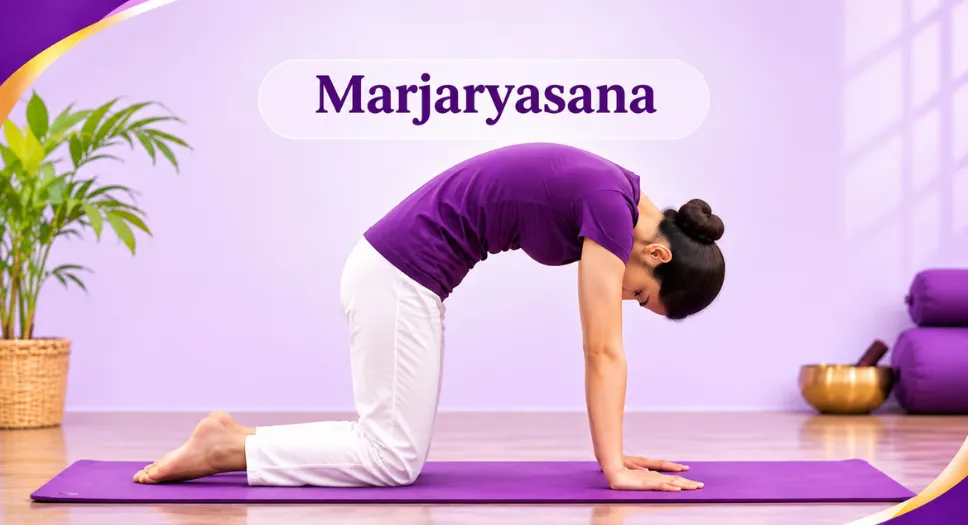
A gentle flow that warms the spine, moves the neck softly and links breath with movement.
- Start on hands and knees.
- Inhale, lift your chest and look up slightly for cow pose.
- Exhale, round your spine and drop your chin for cat pose.
- Repeat for 8 to 10 rounds.
9. Balasana (Child's Pose)
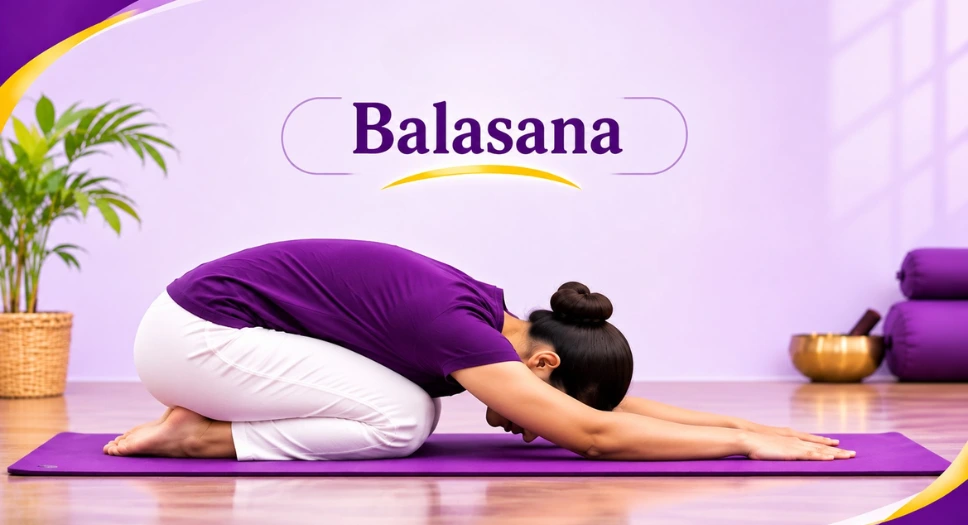
Child’s pose is a calming rest position that eases stress and relaxes the neck, shoulders and back.
- Kneel and sit back on your heels.
- Fold forward and rest your forehead on the floor or a cushion.
- Breathe slowly for one to two minutes.
10. Shavasana (Corpse Pose)
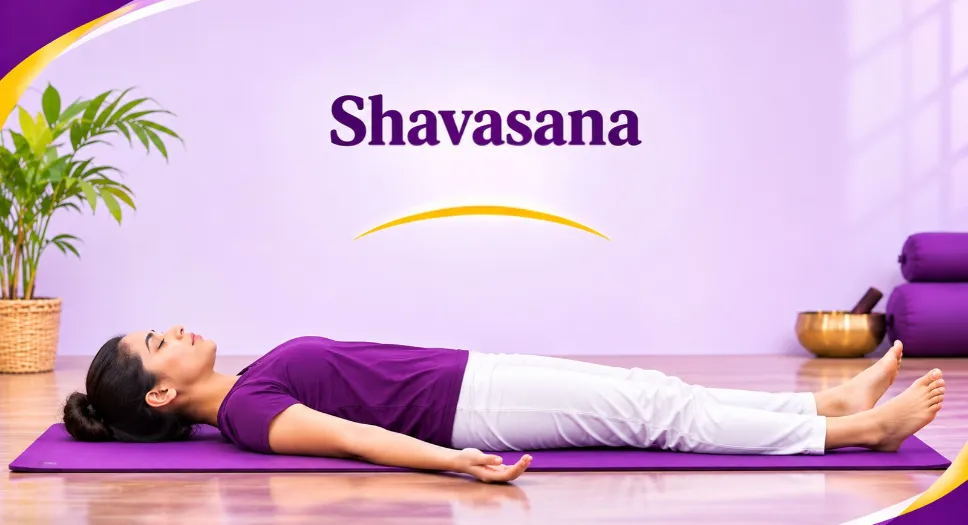
No routine is complete without deep relaxation. Shavasana lets the nervous system reset and is vital for thyroid patients who deal with stress and poor sleep.
- Lie on your back with arms loosely apart and palms facing up.
- Close your eyes and relax each body part in turn.
- Stay for 5 to 10 minutes.
Poses like shoulder stand and plough need correct alignment to be safe and effective. This is why the teachers at Hatha Yoga Institute focus on posture correction and personal attention in their online and in person yoga classes, adapting each pose to your comfort level. Learn more and book your first class
Pranayama and Meditation for Thyroid Support
Breathing practices are just as valuable as postures. They calm the mind, balance the nervous system and bring awareness to the throat and neck area. Here are the techniques most often suggested.
- Ujjayi Pranayama (Victorious Breath): Breathe in and out through the nose with a soft constriction at the back of the throat, creating a gentle ocean sound. This vibrates the throat area and promotes calm. Practise for 5 to 10 minutes.
- Bhramari Pranayama (Humming Bee Breath): Inhale deeply, then exhale while making a steady humming sound. The vibration soothes the neck and eases anxiety. Do 7 to 10 rounds.
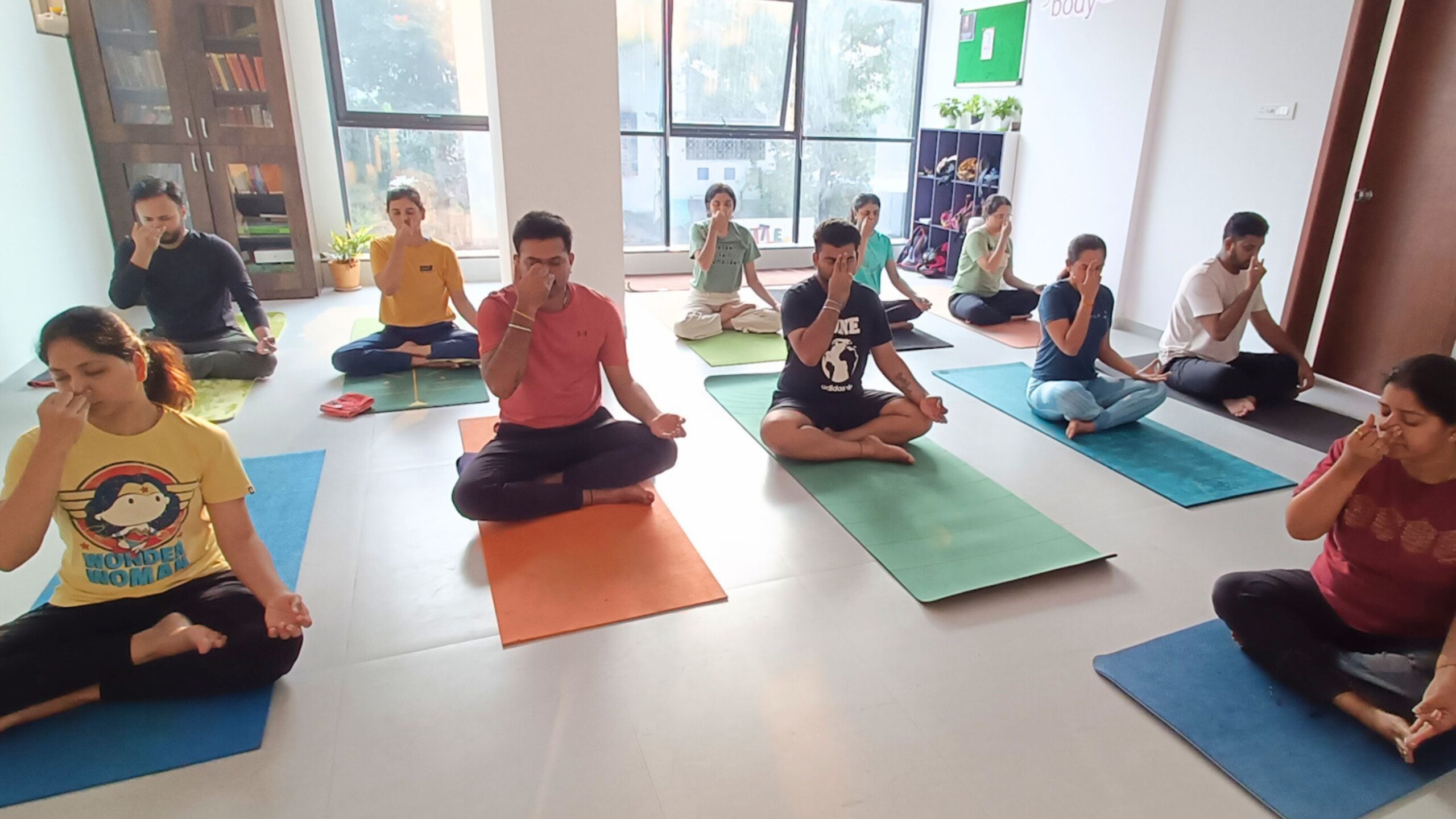
- Anulom Vilom (Alternate Nostril Breathing): Breathe in through one nostril and out through the other. This balances the nervous system and improves focus. Practise for 5 to 10 minutes.
- Kapalbhati (Skull Shining Breath): A quick, forceful exhale technique that energises the body. Beginners should learn this under guidance, and people with high blood pressure, heart problems or hyperthyroidism should be careful or skip it.
- Simple Meditation: Sit quietly for 10 minutes and bring attention to your breath, then to the throat region. Regular meditation reduces stress and improves sleep.
Many practitioners say pranayama is the most underrated part of yoga for thyroid care because the effects on stress and sleep are quick and noticeable.
The Ayurvedic View: Is There an Ayurveda Thyroid Cure?
Many people search for an ayurveda thyroid cure hoping for a permanent, natural fix. It is important to be honest here. Thyroid disorders, especially autoimmune ones, are long term conditions that need proper medical diagnosis and monitoring. No yoga routine or herbal remedy should be presented as a guaranteed cure, and you should never stop prescribed medication without consulting your doctor.
That said, Ayurveda offers a useful framework for supporting overall health alongside modern treatment. In Ayurveda, the thyroid is linked with the balance of the three doshas, Vata, Pitta and Kapha. Hypothyroidism is often associated with excess Kapha, which brings heaviness and sluggishness. Hyperthyroidism is often linked with excess Pitta and Vata, which bring heat, speed and restlessness.
Ayurvedic lifestyle suggestions that many people follow include:
- Regular routine: Wake up, eat and sleep at consistent times to support hormonal rhythm.
- Warm, freshly cooked food: Easy to digest meals support steady energy.
- Mindful use of spices: Ginger, turmeric and cumin are commonly used in everyday cooking.
- Herbs under guidance: Ashwagandha is often discussed for stress and thyroid support, but it can affect thyroid hormone levels, so it must only be taken after speaking with both your doctor and a qualified Ayurvedic practitioner.
- Daily self care: Oil massage, adequate rest and time outdoors are traditional habits that reduce stress.
So when you think about an ayurveda thyroid cure, a more realistic and healthier goal is a supportive lifestyle that works with your medical treatment. Combining Ayurvedic habits with a steady yoga practice gives you a well rounded natural approach.
If yoga has changed the way you feel and you dream of guiding others, Hatha Yoga Institute offers yoga teacher training courses at every level: 200 hour, 300 hour and 500 hour programs, along with specialised Mudra Yoga, Face Yoga and Pregnancy Yoga Teacher Training courses. Whether you are starting out or ready to deepen your expertise, experienced faculty will guide you toward a rewarding career in yoga. Learn more about our yoga teacher training courses
A Simple 30 Minute Daily Routine for Thyroid Patients

Consistency matters more than intensity. Try this beginner friendly sequence, ideally in the morning on an empty stomach or in the early evening.
- Warm up (3 minutes): Gentle neck rolls, shoulder circles and cat cow.
- Setu Bandhasana (2 minutes): Three rounds with a short rest between each.
- Bhujangasana (2 minutes): Three rounds of 15 to 20 seconds.
- Ustrasana (2 minutes): Two rounds, holding for 15 seconds each.
- Viparita Karani or Sarvangasana (3 minutes): Choose based on your comfort level.
- Halasana (1 minute): Only if you practised the shoulder stand.
- Matsyasana (1 minute): To release the neck after inversions.
- Pranayama (7 minutes): Ujjayi, Bhramari and Anulom Vilom.
- Shavasana (5 minutes): Complete rest to finish.
Practise five to six days a week and give your body at least two to three months before judging results. Keep a small journal to track your energy, sleep, mood and weight so you can see progress over time.
Lifestyle Tips That Work Alongside Yoga
The best yoga for thyroid health works even better when supported by everyday habits. Keep these in mind:
- Take medication as prescribed: Thyroid tablets usually work best on an empty stomach, so follow your doctor’s advice on timing.
- Eat balanced meals: Include whole grains, fresh vegetables, fruits, lean protein and healthy fats. Ask your doctor about iodine, selenium and vitamin D based on your test results.
- Limit processed food and excess sugar: These can worsen inflammation and weight gain.
- Sleep 7 to 8 hours: Poor sleep disrupts hormones and slows recovery.
- Manage stress daily: Short breaks, walks, journaling or meditation all help.
- Stay active: Besides yoga, include walking or light exercise on most days.
- Get regular check ups: Repeat thyroid blood tests as your doctor recommends so your dose stays right.
Safety Precautions You Should Not Ignore
Yoga is gentle, but a few cautions apply, especially for thyroid patients.
- Talk to your doctor first, particularly if you have a large goitre, thyroid nodules, heart problems or high blood pressure.
- Avoid forceful neck positions if you feel pain, dizziness or pressure in the throat.
- Skip inversions if you have neck injuries, glaucoma, uncontrolled blood pressure or during menstruation if advised by your teacher.
- Be careful with fast breathing practices such as Kapalbhati if you have hyperthyroidism or palpitations.
- Never stop medication because you feel better after starting yoga.
- Learn from a qualified teacher who can adjust poses to your health condition.
Frequently Asked Questions
1. Can yoga cure thyroid problems?
Yoga cannot cure a thyroid disorder, but it can support your well being, reduce stress and improve energy and sleep when practised alongside medical treatment.
2. How long does it take to see results?
Many people notice better mood and sleep within a few weeks. Changes in energy and weight usually take two to three months of regular practice.
3. Is shoulder stand necessary?
No. If it feels uncomfortable, choose Viparita Karani, bridge pose or cobra pose instead. The right pose is the one you can hold safely with calm breathing.
4. Can hyperthyroid patients practise yoga?
Yes, with care. Focus on calming practices such as Viparita Karani, Bhramari, Anulom Vilom and Shavasana, and avoid very vigorous or heating routines.
Final Thoughts

Living with a thyroid condition can feel exhausting, but you have more power than you think. A regular, mindful practice built around the right asana for thyroid support, calming breathwork and healthy daily habits can help you feel lighter, calmer and more energetic. Remember that the goal of yoga for thyroid care is steady, long term balance rather than a quick fix, and that it works best hand in hand with your doctor’s guidance.
Start small, stay consistent and listen to your body. Even ten minutes a day can make a difference.
Ready to begin your journey? At Hatha Yoga Institute, experienced teachers will help you build a safe, personalised practice, whether you are a complete beginner or someone who wants to share yoga with others as a profession. Join our yoga classes or explore the 200 hour, 300 hour and 500 hour teacher training courses and take the first step today. Learn more and enroll today