The wellness industry has quietly become one of the most exciting spaces to build a career in. People everywhere are moving away from quick fixes and looking for sustainable, natural ways to manage their health, energy, digestion, and stress. Right at the center of this shift sits one of the oldest healing systems in the world: Ayurveda. If you have ever felt drawn to food as medicine, or wondered how ancient wisdom could solve very modern health problems, an ayurvedic nutrition course could be the exact bridge you need between passion and profession.
This isn’t a passing trend. Ayurveda has been practiced for thousands of years, and its principles around digestion, individual constitution, and seasonal eating are now being validated by modern nutrition science. As more people search for personalized, root-cause approaches to health, professionals trained in ayurvedic nutrition are stepping into roles that didn’t even exist a decade ago: wellness consultants, dosha-based diet coaches, retreat specialists, and ayurvedic product formulators. In this blog, we’ll walk through exactly how a structured course in this field can open doors to a meaningful and high-demand career.
Why Wellness Careers Are in Such High Demand Right Now
Before diving into the specifics of the course itself, it helps to understand why this career path is gaining so much traction.
- People are increasingly disillusioned with one-size-fits-all diet plans and are searching for approaches tailored to their unique body type and lifestyle.
- Chronic lifestyle conditions like poor digestion, stress-related disorders, and sleep issues are pushing people toward preventive and holistic care rather than only symptom management.
- Yoga studios, spas, wellness retreats, and corporate wellness programs are actively hiring practitioners who understand ayurveda and nutrition together, not just calorie counting.
- Social media and content platforms have created entirely new income streams for educators who can explain Ayurvedic concepts in simple, practical language.
- Consumers are more willing than ever to invest in personalized consultations, supplements, and lifestyle coaching rather than generic advice.
This combination of consumer demand and a shortage of qualified practitioners is exactly why now is a strong time to formally train in this field rather than relying only on self-study.
What Is Ayurvedic Nutrition, Really?
At its core, ayurvedic nutrition is built on the idea that food is not just fuel, it is information that directly shapes your physical and mental state. Ayurveda categorizes every individual into a unique combination of three doshas, Vata, Pitta, and Kapha, each governed by different elemental qualities. Your dosha balance influences your digestion, metabolism, emotional tendencies, and even the times of day you feel most energetic or sluggish.
Where conventional nutrition often focuses heavily on macronutrients and calories, ayurveda and nutrition as a combined discipline looks at qualities like temperature, taste, texture, and digestibility of food, and how these interact with a person’s current state of balance or imbalance. A spicy, heating diet might suit one person perfectly while aggravating another’s system entirely. This individualized lens is precisely why so many people find Ayurvedic approaches more sustainable and effective than rigid, generic diet plans.
Strong digestive fire, referred to as Agni in Ayurvedic texts, is considered central to overall health. When digestion is weak or irregular, undigested food is believed to accumulate as toxins, eventually contributing to a wide range of health issues. A well-designed ayurvedic nutrition course trains students to assess digestive strength, identify dosha imbalances, and recommend food choices that restore equilibrium rather than simply restrict intake.
What You'll Actually Learn in an Ayurvedic Nutrition Course
A quality course goes far beyond memorizing food lists. Most comprehensive programs cover the following areas in depth:
- Foundational Ayurvedic philosophy, including the doctrine of the five elements, the three doshas, and the concept of Agni or digestive fire.
- Dosha assessment techniques so you can determine a client’s unique constitution (Prakriti) and current imbalance (Vikriti).
- Designing personalized ayurvedic diets based on season, body type, age, and lifestyle, rather than offering the same plan to every client.
- The six tastes (Shad Rasa) and how balancing sweet, sour, salty, bitter, pungent, and astringent flavors supports digestion and satisfaction.
- Herbs, spices, and ayurvedic food supplement options, including how and when traditional formulations support digestion, immunity, and energy.
- Daily and seasonal routines (Dinacharya and Ritucharya) that complement dietary changes with sleep, movement, and self-care practices.
- Client consultation and communication skills, since translating ancient concepts into practical, relatable guidance is a skill in itself.
- Basic anatomy, physiology, and modern nutritional science, so graduates can bridge traditional wisdom with contemporary health understanding.
- Business and practice-building fundamentals, for those who want to eventually run their own consulting practice.
This structure is what separates a credible course from scattered information picked up online. By the end of a well-designed program, students are not just informed, they are equipped to actually counsel real clients with confidence.
Understanding Ayurvedic Diets: More Than Just Food Lists
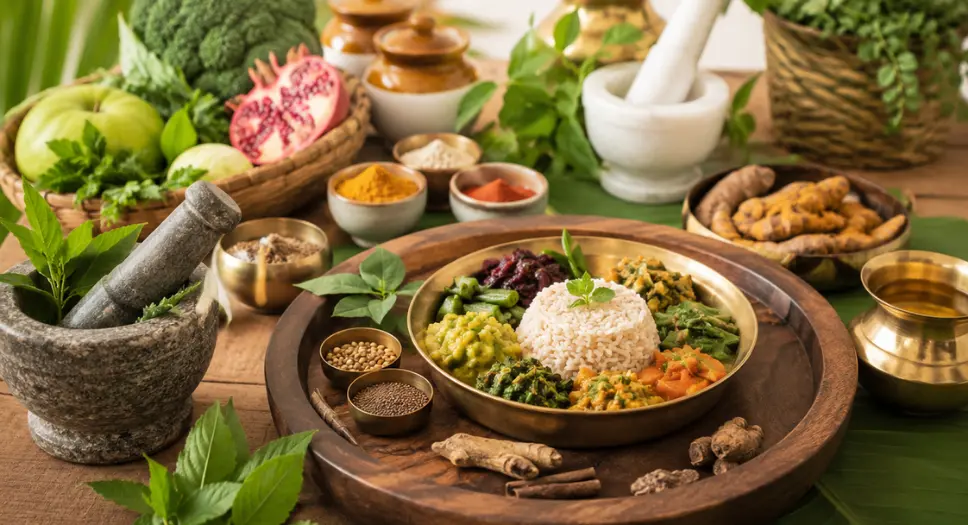
One of the most practical and immediately useful parts of any training program is learning how to build proper ayurvedic diets. This is where theory becomes daily practice.
Rather than prescribing a fixed menu, Ayurveda teaches that the right diet depends on several shifting factors:
- Constitution-based eating, where Vata types are guided toward warm, grounding, moist foods, Pitta types toward cooling and moderately spiced meals, and Kapha types toward lighter, warming, stimulating choices.
- Seasonal alignment (Ritucharya), recognizing that the body’s needs shift between summer, monsoon, and winter, and that diets should adapt accordingly.
- Mindful eating practices, including eating at consistent times, avoiding overeating, and minimizing distractions during meals to support better digestion.
- Food combining principles, which caution against certain combinations believed to disturb digestion, such as mixing incompatible food groups in a single meal.
- Freshly prepared, whole foods over heavily processed options, with an emphasis on local and seasonal produce whenever possible.
What makes this section of an ayurvedic nutrition course so valuable professionally is that it teaches flexibility. Instead of memorizing a rigid template, graduates learn a framework they can adapt to literally any client, any season, and any lifestyle, which is a major differentiator in a crowded wellness market.
The Role of Ayurvedic Food Supplements in a Balanced Lifestyle
Alongside dietary guidance, most programs spend meaningful time on traditional formulations and how an ayurvedic food supplement fits into a holistic plan. This is an area students need to approach with both knowledge and responsibility.
Traditional Ayurvedic supplementation often includes:
- Herbal blends like Triphala, commonly used to support digestion and gentle detoxification.
- Adaptogenic herbs such as Ashwagandha, often associated with stress resilience and energy balance.
- Digestive aids like ginger, cumin, and fennel preparations, used to strengthen Agni before or after meals.
- Immunity-supporting formulations that combine multiple herbs based on classical Ayurvedic texts.
A well-trained practitioner understands that supplements are meant to complement, not replace, proper diet and lifestyle changes. Courses typically emphasize when it’s appropriate to recommend a supplement, how to source quality products, and crucially, when to refer a client to a qualified physician instead. This kind of responsible, ethical framing is what builds long-term trust with clients and protects practitioners professionally.

Career Paths That Open Up After Certification
This is often the most exciting part for students: seeing exactly where this knowledge can lead. Graduates of a recognized program typically move into roles such as:
- Ayurvedic nutrition consultant, working one-on-one with clients to design personalized eating and lifestyle plans.
- Wellness coach or holistic health coach, integrating Ayurvedic principles alongside broader lifestyle coaching.
- Yoga studio or wellness center practitioner, offering nutrition guidance alongside movement-based offerings.
- Spa and retreat consultant, particularly in destinations that specialize in detox, rejuvenation, or panchakarma programs.
- Content creator or educator, building an audience through courses, workshops, or social media focused on ayurveda and nutrition.
- Product development advisor, working with brands that formulate herbal teas, supplements, or functional foods rooted in Ayurvedic tradition.
- Corporate wellness specialist, designing nutrition workshops and programs for organizations investing in employee wellbeing.
Many graduates also choose to combine consulting with content creation, running an online practice that reaches clients far beyond their local city. The flexibility of this career path, the ability to work independently, part-time, or within an established wellness center, is part of what makes it so appealing.
Skills You Gain Beyond Nutrition Knowledge
A genuinely good ayurvedic nutrition course doesn’t just hand you information, it shapes how you think about health holistically. Along the way, students typically strengthen:
- Active listening and client assessment skills, since accurate dosha evaluation depends heavily on asking the right questions.
- Confidence in translating complex traditional concepts into simple, actionable advice.
- A more intuitive, root-cause approach to problem-solving rather than symptom-chasing.
- Basic entrepreneurial skills, from pricing consultations to building a simple online presence.
- A stronger personal relationship with food, often leading to genuine lifestyle transformation before a single client is even taken on.
This personal transformation is frequently what convinces students to take the leap into a full career change rather than treating the course as a casual hobby.
How to Choose the Right Ayurvedic Nutrition Course
Not all programs are created equal, and choosing the right one matters significantly for your future career credibility. Here’s what to look for:
- Curriculum depth: Make sure the syllabus genuinely covers ayurvedic diets, dosha theory, herbal supplementation, and practical consultation skills, not just surface-level facts.
- Experienced faculty: Look for instructors with real clinical or teaching experience in Ayurveda, not just general nutrition backgrounds.
- Practical training components: Case studies, mock consultations, and hands-on assessment practice are essential for building real-world confidence.
- Recognition and structure: A course with a clear, structured format and credible institutional backing carries more weight with future clients and employers.
- Post-course support: Some programs offer mentorship, community access, or business guidance after graduation, which can be incredibly valuable when you’re just starting out.
Taking the time to research these factors before enrolling will save you from wasted time and money, and will set you up to practice with genuine confidence.

Pairing Your Nutrition Training With Yogic Wisdom
Ayurveda and yoga have always been deeply connected sister sciences, both rooted in the same understanding of balance between body, mind, and breath. Many of the most successful wellness professionals don’t stop at nutrition alone, they pair their understanding of ayurvedic nutrition with formal training in yoga, allowing them to offer truly comprehensive guidance that addresses diet, movement, breath, and mindset together.
This is where an institute like Hatha Yoga Institute can add tremendous value to your journey. Known for its structured, authentic approach to yogic training, Hatha Yoga Institute offers programs that complement Ayurvedic study beautifully, helping practitioners deepen their understanding of the body’s energy systems, breathwork, and traditional postures alongside their nutritional expertise. For students who want to build a well-rounded wellness practice rather than a narrow specialization, exploring a yoga teacher training program at Hatha Yoga Institute alongside your nutrition studies can be a genuinely smart next step toward standing out in a competitive field.
Who Should Consider This Path?
Not everyone enrolling in this kind of training is planning a complete career switch, and that’s perfectly fine. A wide range of people find genuine value in studying this subject:
- Yoga teachers and movement instructors who want to round out their offering with nutrition guidance, since students often ask about diet alongside their physical practice.
- Nurses, dietitians, and healthcare professionals looking to add a holistic, root-cause dimension to their existing clinical training.
- Parents and homemakers who want to apply Ayurvedic principles practically within their own households before considering it professionally.
- Entrepreneurs and content creators interested in building a wellness brand, blog, or social media presence around food and lifestyle.
- Career changers seeking purposeful, people-centered work after years in unrelated industries.
This diversity of backgrounds is actually one of the strengths of the field. A classroom or cohort studying ayurvedic nutrition together often includes nurses sitting beside yoga teachers, homemakers beside marketing professionals, all drawn together by a shared curiosity about how food and lifestyle genuinely shape wellbeing. That blend of perspectives tends to make the learning experience richer and the eventual professional network more valuable.
Common Questions Before Enrolling
If you’re still weighing whether this is the right move, a few questions tend to come up repeatedly among prospective students.
1. Do I need a science or nutrition background first?
Most reputable programs are designed to welcome beginners, building foundational anatomy and physiology knowledge alongside Ayurvedic theory, so prior clinical experience is helpful but not mandatory.
2. How long does it typically take to become job-ready?
This varies by program structure, but many comprehensive courses are designed to take students from foundational theory through practical client consultation skills within a focused, structured timeline rather than dragging on indefinitely.
3. Can this be studied alongside a full-time job?
Many programs today offer flexible or part-time formats specifically because so many students are transitioning gradually rather than quitting an existing job on day one.
4. Is certification enough to start practicing, or is mentorship needed too?
While certification provides the knowledge base, most successful practitioners credit ongoing mentorship, peer support, and real client practice as what truly builds confidence and competence over time.
Working through these questions honestly before enrolling helps set realistic expectations and ensures you choose a program structured around how you actually intend to use the knowledge.
Final Thoughts: A Career Rooted in Purpose and Practicality
Choosing to study Ayurveda professionally isn’t just about chasing a trending wellness topic, it’s about building a career around something timeless, practical, and deeply needed. As more people search for sustainable, personalized approaches to health, the demand for skilled practitioners trained in ayurvedic nutrition, ayurvedic diets, and responsible use of ayurvedic food supplement options will only continue to grow.
Whether your goal is to open a private consulting practice, join an established wellness center, create educational content, or simply transform your own relationship with food and health, a structured course gives you the foundation, credibility, and confidence to move forward. Combined with complementary training, such as the yogic education offered at Hatha Yoga Institute, you can position yourself as a well-rounded, trusted voice in the wellness space, ready to meet a growing need with knowledge that has stood the test of thousands of years.